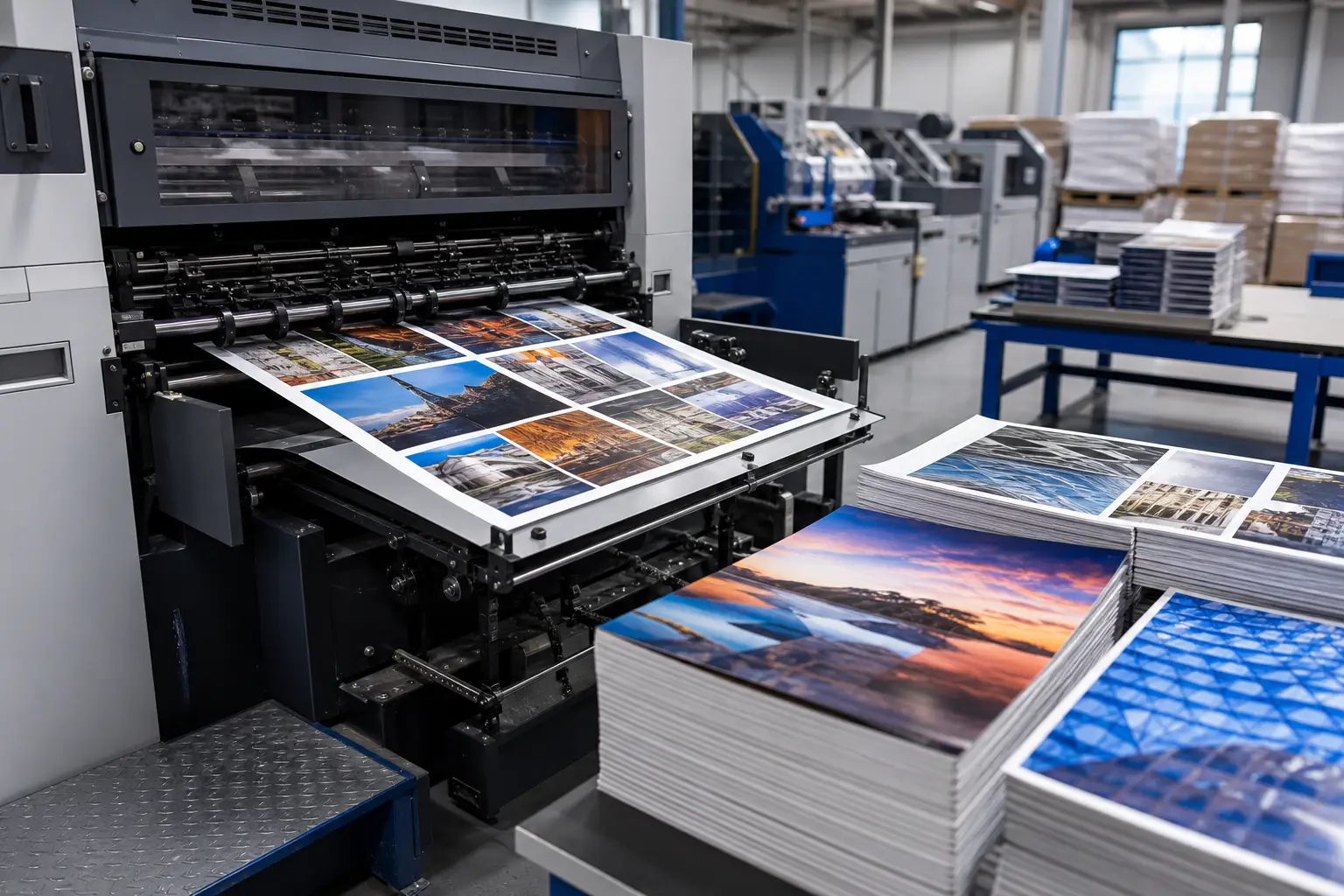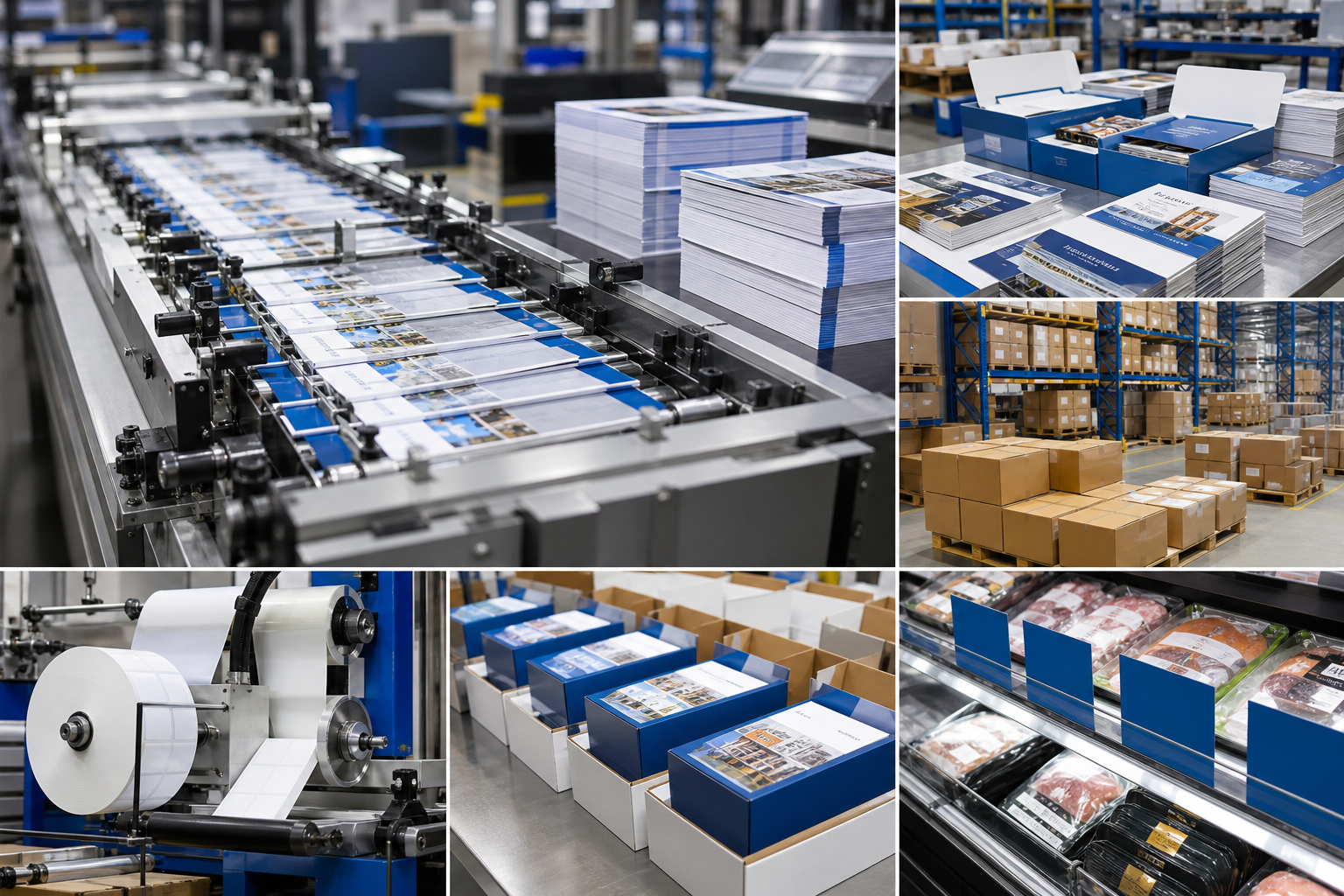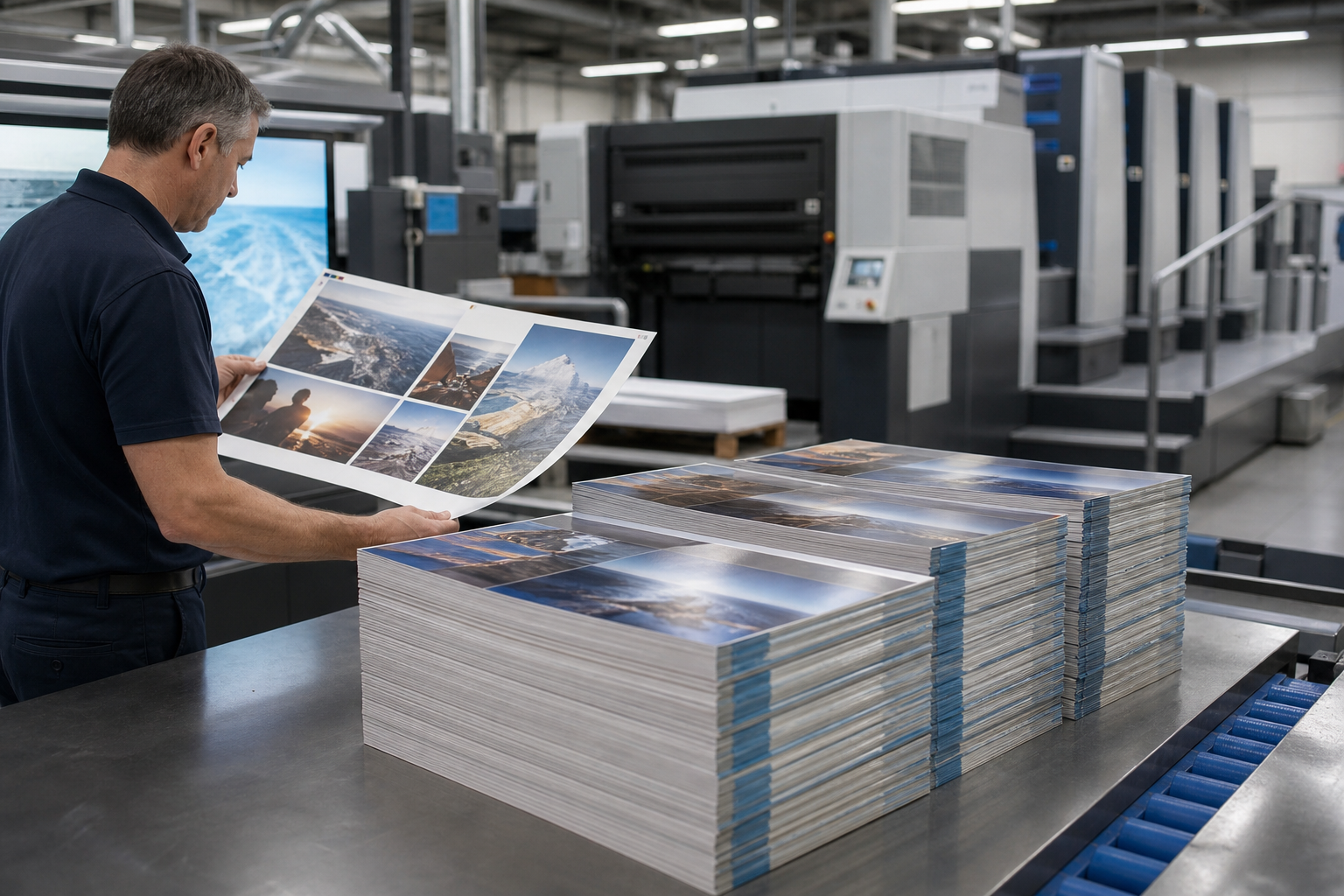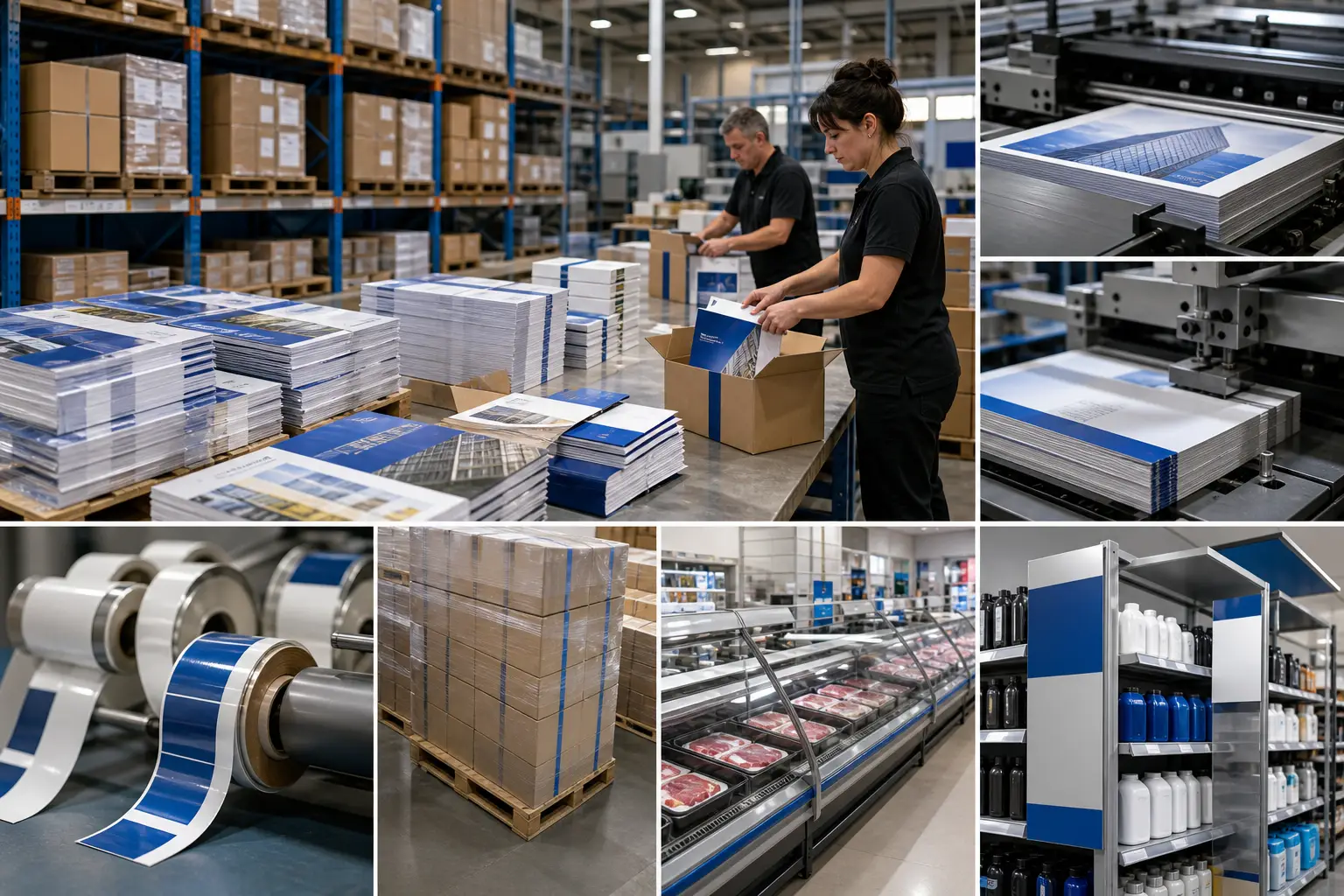
Offset printing is often a strong production method for magazines with substantial quantities, repeat issues, photography-heavy pages, and a need for consistent color across the run. A successful program requires more than selecting a press. Teams must define color expectations, choose paper that supports the editorial experience, match the binding to page count and use, and plan finishing and delivery before files enter prepress.
For associations, colleges, tourism organizations, retailers, and corporate publishers, those decisions affect the finished publication, production schedule, and distribution process. Early planning also gives the printer time to identify format, file, or mailing considerations before they disrupt a recurring issue.
When offset printing fits a magazine program
Sheet-fed offset printing is designed for consistent, high-volume commercial print production. It is particularly well suited to magazines with a stable format, a shared core edition, and enough quantity to benefit from a coordinated press run. Learn more about sheet-fed offset printing for high-volume programs when evaluating the production approach.
Offset printing deserves consideration when a publication has:
- Recurring issues that need a consistent visual standard.
- Large quantities of the same edition.
- Photography, brand colors, or detailed artwork that needs careful reproduction.
- Multiple paper stocks, inserts, covers, or finishing steps.
- A distribution plan involving members, customers, campuses, stores, or other delivery points.
Quantity alone does not decide the method. A magazine with regional editions, individualized covers, or frequent content changes may need a mixed production strategy. In those cases, compare the core run against sheet-fed offset and digital printing for high-volume programs before committing to a production path.
Build color consistency into prepress and press planning
Magazine color is a system, not a last-minute approval. Photography, illustrations, logos, advertisements, paper stock, inks, and finishing can all influence how a printed page appears. Establish the expected appearance before production, then use a disciplined prepress process to carry that standard through the issue.
Start with production-ready artwork
Provide final files with the correct page dimensions, bleed, image resolution, fonts, and color settings required for the project. A prepress review should confirm page count, pagination, trim, live areas, color builds, image placement, and file integrity. It should also identify elements that may reproduce differently than expected, such as very small reversed type, fine rules, or large solid-color areas.
For recurring publications, retain approved specifications and reference materials. A clear record of cover stock, text stock, color expectations, finishing, and prior approvals supports repeatability from one issue to the next. For a deeper look at this process, see how to maintain color consistency across recurring magazine issues.
Account for the paper’s effect on color
The same artwork can look different on different paper types. A coated sheet can support sharp image detail and more vivid-looking color. An uncoated sheet can create a more tactile, readable presentation, but it may absorb ink differently. Paper shade also affects perceived color, especially in neutral areas and skin tones.
Choose paper based on the magazine’s purpose, audience, image content, handling needs, and budget. Confirm the text and cover stocks early, particularly when an issue includes inserts, gatefolds, or sections that use different materials.
Choose paper and format for use, not appearance alone
A magazine must work in the reader’s hands as well as on a proof. Weight, opacity, surface, and grain direction can influence how it feels, turns pages, and performs during binding. A thin text sheet may help control page count and mailing weight. A heavier sheet may create a more substantial feel, but it can add bulk and affect binding choices.
Use these questions to guide the specification:
- Will readers keep the publication for reference, or is it designed for short-term promotion?
- Does the content rely on high-resolution photography, fine type, or large color fields?
- Will readers write on pages, carry the publication, or use it in demanding environments?
- Will the magazine include reply cards, inserts, tip-ons, or other added components?
- Does the publication need to meet a target size for mailing, storage, or display?
Format decisions should also consider press-sheet efficiency and trim size. A production partner can review those relationships before design is finalized, reducing avoidable waste or late changes.
Match binding to page count, durability, and reader behavior
Binding gives a magazine its structure. The appropriate choice depends on page count, paper thickness, trim size, expected handling, and the way readers use the publication.
Saddle stitch for compact publications
Saddle stitching joins folded pages at the spine with wire staples. It is commonly used for lower-page-count magazines, event guides, newsletters, and promotional publications. It can lie relatively flat when opened, but page count and stock thickness require careful planning because folded sheets can create creep at the outer pages.
Perfect binding for a book-like format
Perfect binding uses adhesive at a square spine. It can suit higher-page-count magazines and publications that benefit from a visible spine. The page count, paper selection, and spine width should be established early so the cover can be built correctly and the finished piece functions as intended.
Other formats may fit specialized requirements, but the key is to select the binding method before final pagination. Changes after layout can affect cover dimensions, page imposition, schedule, and cost.
Specify finishing that supports the publication’s purpose
Finishing should protect, organize, or elevate the piece without working against its practical use. Common magazine finishing options include trimming, folding, scoring, coating, and specialty cover treatments. A coating can change surface appearance and handling, while scoring can help heavier covers fold cleanly at the spine.
Consider how readers will encounter the magazine. A glossy cover may suit image-led publications. A more restrained surface may fit a report-like or editorial format. If the cover will carry address labels, inserts, or frequent handling, test how those requirements interact with the selected stock and finish.
Plan quantities, versions, and distribution before the press date
Magazine production is complete only when the right copies reach the right recipients or locations. Confirm the quantity for each edition, reserve copies, delivery dates, pack quantities, and destination list before production begins. This is especially important for magazines going to campuses, member lists, retail locations, events, or regional offices.
Versioned covers, localized advertising, and regional inserts add complexity. They need clear naming, approved version control, and a documented allocation plan. For programs with different quantities or editions, short-run magazine printing for versioned publications may provide useful planning considerations.
When the project involves multiple components or delivery points, kitting and organized shipment can keep magazine copies, inserts, promotional materials, and related collateral together. A clear distribution plan also helps teams avoid excess inventory at one location and shortages at another.
Prepare a complete magazine production brief
A useful brief gives the printer a single source of truth. Include the trim size, final page count, quantity, frequency, text and cover stocks, color requirements, binding, finishing, proof expectations, insert details, version count, delivery dates, and distribution instructions. Identify who has final approval authority and when approvals must occur.
Offset printing works best when these decisions are coordinated rather than made in isolation. Print Group Inc. provides in-house prepress, sheet-fed offset printing, bindery, finishing, fulfillment, and nationwide distribution for complex publication programs. Explore its publication and magazine printing capabilities when planning a recurring or high-volume magazine project.