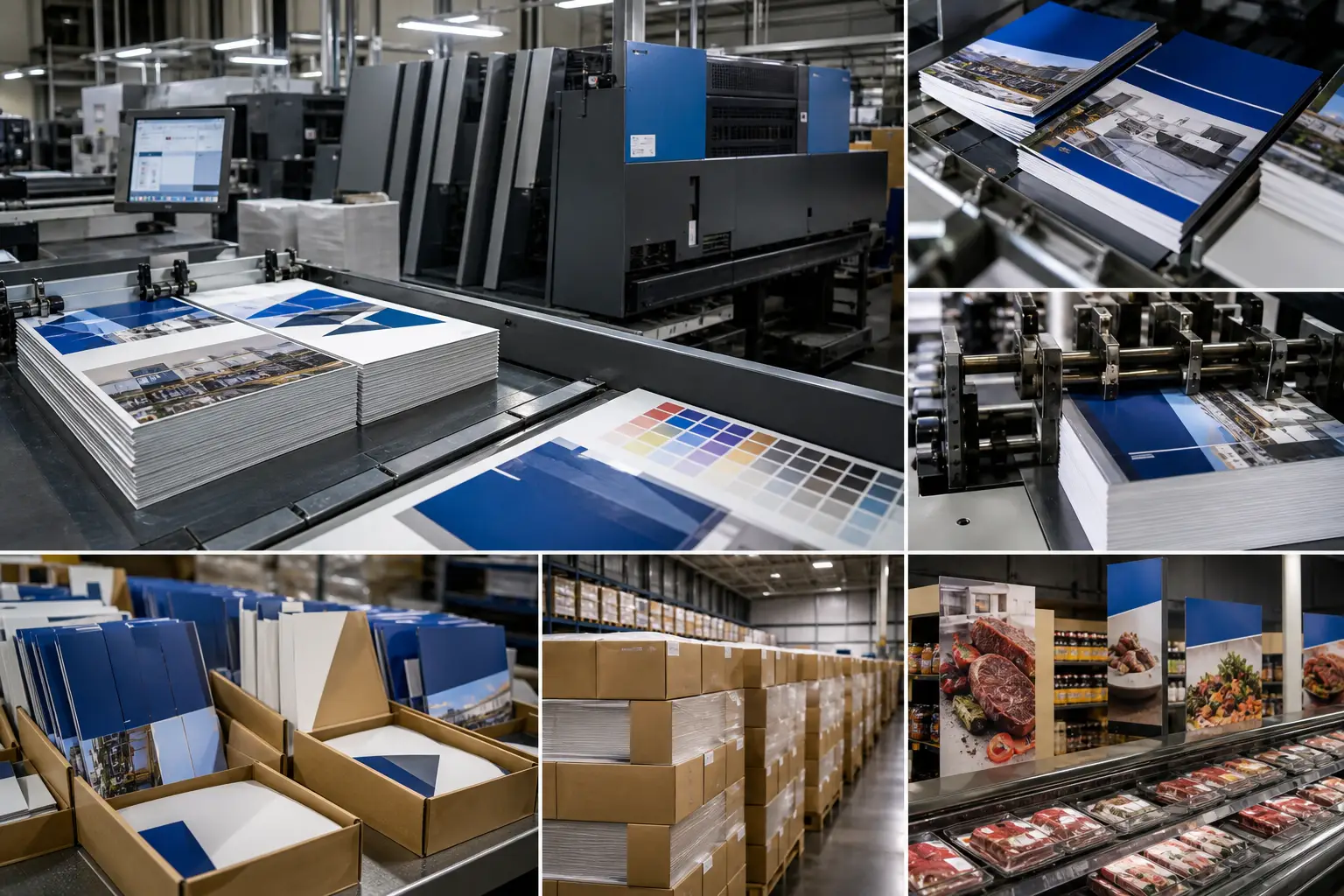
Choosing between sheet-fed offset printing and digital printing depends on more than quantity. The right production method must fit the piece’s run length, number of versions, personalization needs, color expectations, finishing requirements, schedule, and distribution plan. For a high-volume commercial print program, the strongest choice is often the method that supports repeatable execution across the entire workflow—not simply the lowest unit cost on one item.
Sheet-fed offset is generally well suited to larger runs of the same piece where consistent color and repeatability matter. Digital production is often a better fit for shorter quantities, frequent content changes, and variable-data communication. Many organizations use both methods within one coordinated program.
How sheet-fed offset printing works
Sheet-fed offset printing transfers ink from printing plates through a rubber blanket and onto individual sheets. The process requires prepress setup before the production run begins. Once the press is running, it supports efficient production of repeated pages or pieces at volume.
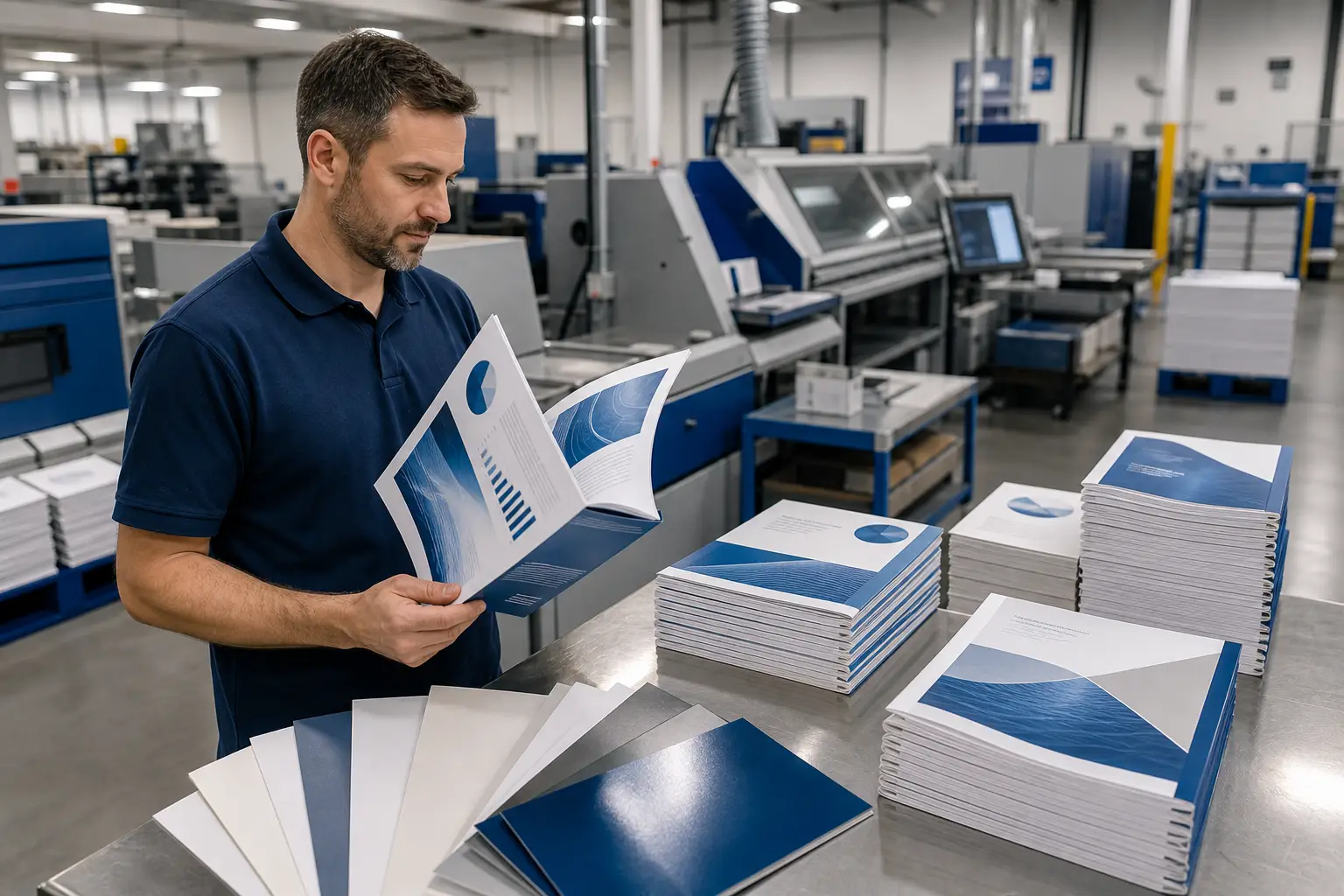
This method is commonly considered for catalogs, publications, corporate collateral, annual reports, manuals, retail materials, and other programs with stable artwork. It also gives production teams control over paper selection, finishing coordination, and color management across recurring work.
Where offset is often the stronger fit
- Large quantities of the same version or a limited number of versions
- Photography- or brand-color-intensive materials that require controlled reproduction
- Recurring programs that benefit from documented specifications and repeatable workflows
- Multi-page, bound pieces with substantial bindery requirements
- Projects where the upfront setup can be distributed across a longer production run
Offset’s setup requirements mean it may not be the practical choice for every small or rapidly changing order. However, production planning can make that setup worthwhile when a program involves substantial volume, consistent specifications, and multiple planned releases.
Where digital printing changes the decision
Digital production prints directly from digital files without the plate-making process used in offset. That approach reduces setup steps and makes it practical to change content between pieces. It can support short-run materials, quick replenishment, versioned communications, and individualized data fields.
For example, a university may use offset for a core recruitment viewbook while using digital production for personalized letters or localized inserts. A retailer may produce a shared campaign structure, then create store-specific versions with localized messaging or product selections.
Digital and variable-data printing is particularly useful when names, locations, offers, tracking elements, or other fields need to change from one piece to the next. That flexibility can reduce the need to manage separate static files for every audience segment.
Where digital production is often the stronger fit
- Short runs, test quantities, and on-demand replenishment
- Personalized direct mail and data-driven communications
- Many versions with changing text, images, or location details
- Projects that need final content changes closer to production
- Materials that must be produced in smaller batches over time
Sheet-fed offset printing vs. digital: the key decision factors
Buyers should compare the two methods as production systems. A useful evaluation starts with the variables below.
1. Total quantity and release schedule
Do not assess volume only as one total number. Consider how and when materials will be released. A program with a large annual quantity may favor offset if the content is stable and production can be consolidated. The same annual quantity may favor digital if it must be produced in smaller, changing batches.
Ask whether inventory can be held and released as needed. If so, a larger offset run combined with fulfillment may provide a structured way to support recurring demand. If content becomes outdated quickly, smaller digital releases may limit obsolete inventory.
2. Version count and personalization
Versioning changes the production equation. A campaign with two regional versions differs from one with hundreds of store, audience, or recipient-level variations. Offset can support planned versions, but each version adds production complexity. Digital systems simplify frequent changes and enable variable fields within a single campaign.
Organizations managing regional, departmental, or product-line variation should define exactly what changes: only a location line, or photography, offers, pagination, and product details? That distinction helps determine whether the program needs digital flexibility, offset efficiency, or a hybrid workflow.
For coordinated regional or audience variations, versioned campaign printing can bring multiple approved versions into one managed production cycle.
3. Color, paper, and finished appearance
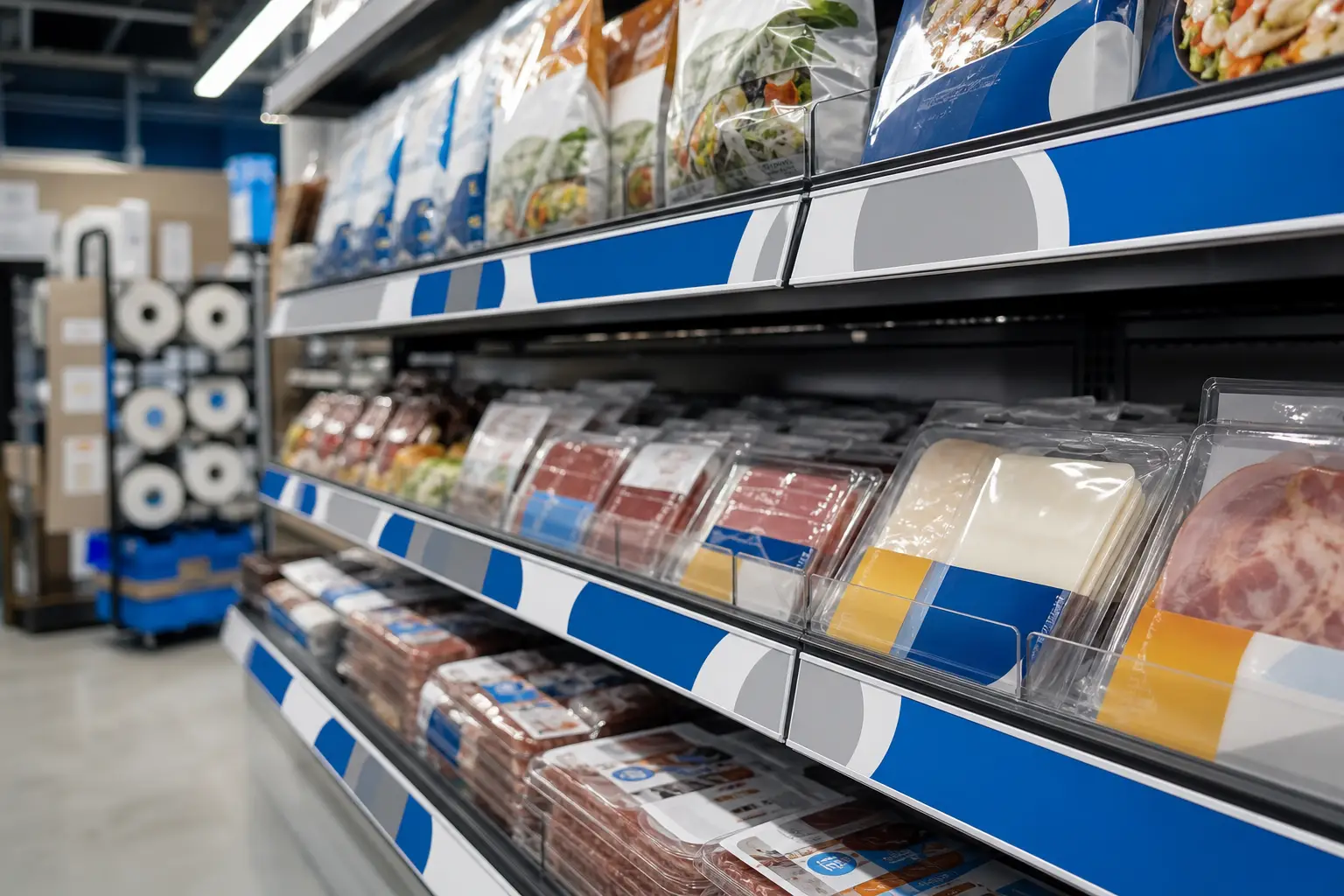
Brand-critical pieces require early discussion of color expectations, substrates, coatings, and finish. Color-sensitive photography, established brand standards, and recurring publications require a clear proofing and prepress process. The intended use also matters. A sales brochure, a warehouse manual, and a shelf communication piece have different material and finishing demands.
Paper weight, opacity, coating, fold configuration, binding, drilling, trimming, and packaging all affect the final piece. In-house bindery and finishing coordination helps keep those specifications connected to the selected print method.
4. Data quality and mailing requirements
Personalized and mailed work introduces another layer of control. Teams should establish who owns the data, how fields are mapped, how records are segmented, and when final files are approved. A print-ready layout alone does not resolve production requirements for variable data or distribution.
When campaigns include multiple inserts, recipient groups, or destinations, production and delivery should be planned together. Direct mail and fulfillment services can coordinate printed materials with mailing or shipment workflows rather than treating distribution as a separate final task.
5. Inventory, kitting, and destination control
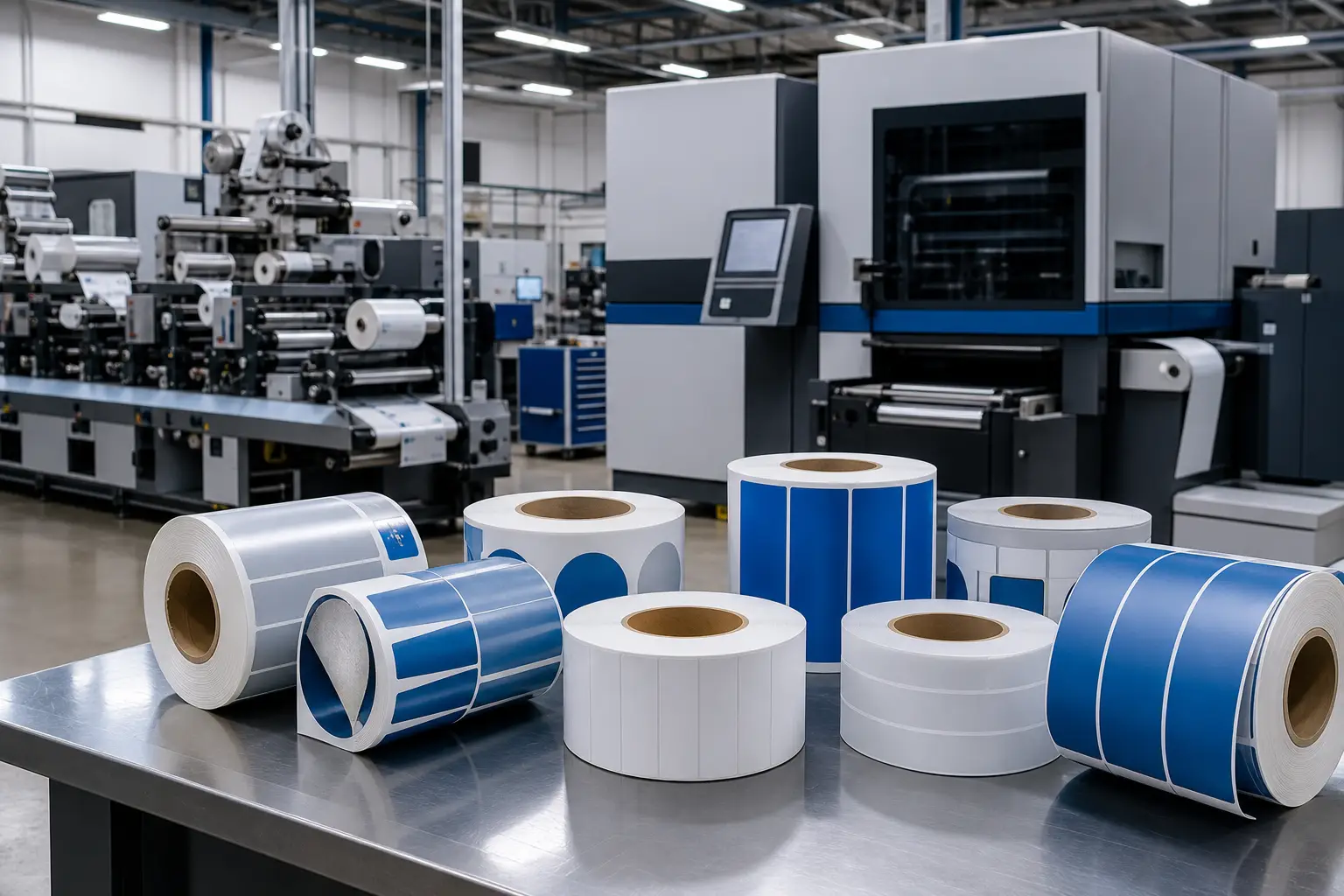
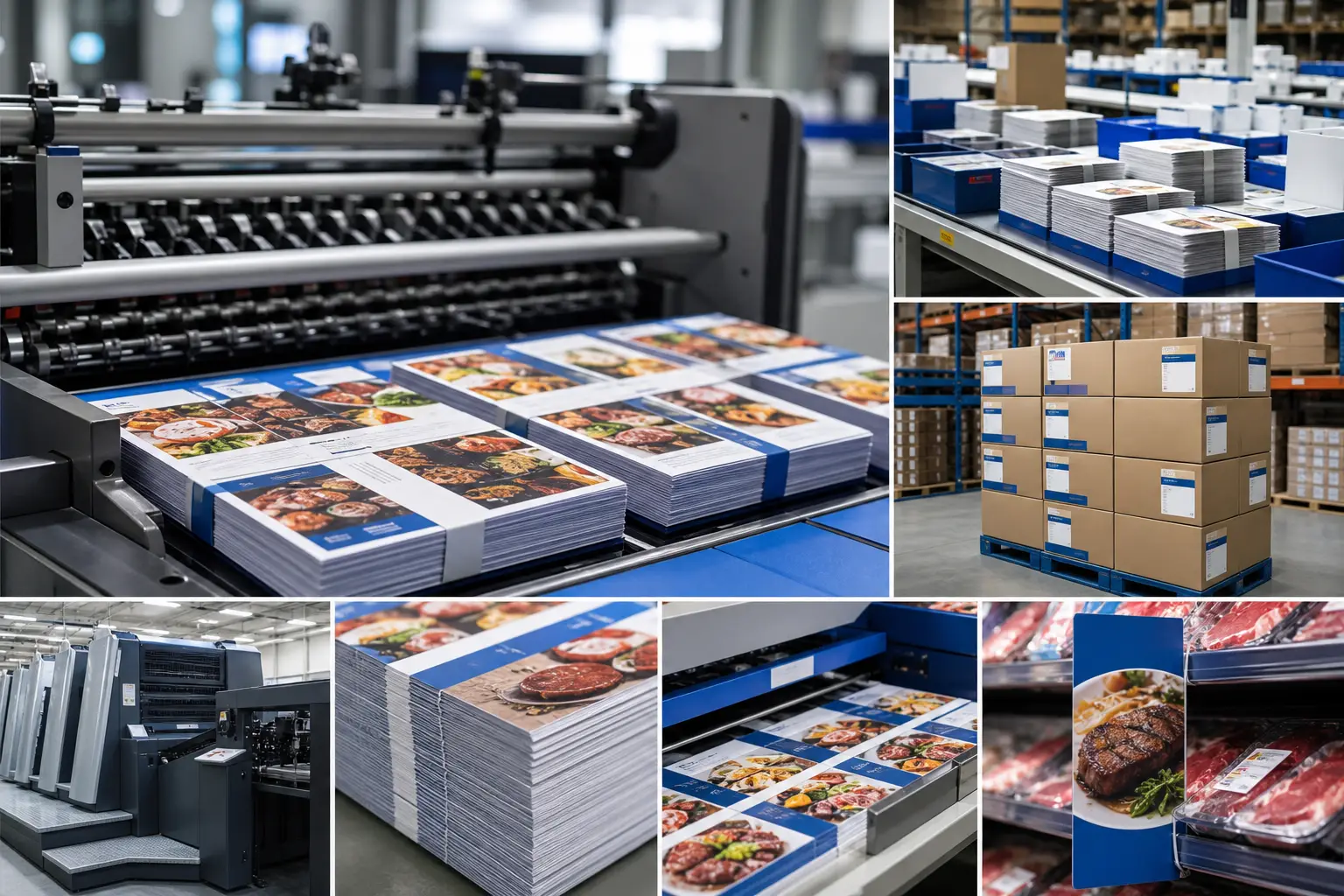
For retailers, manufacturers, institutions, and distributors, the project is not complete when it leaves the press. Materials may need to be counted, assembled into kits, stored, replenished, and shipped to many locations. Those operational requirements affect quantities, packaging, labeling, and release timing.
Build a location list, kit configuration, and delivery schedule into the initial production plan. This approach gives stakeholders a clearer basis for deciding whether to print all materials at once, release them in stages, or use a combined offset and digital strategy.
A practical way to choose the right production path
Start with a production brief that answers five questions:
- How many pieces are needed now, and how many are expected over the program’s life?
- How many versions are required, and what changes between them?
- Which colors, materials, finishes, and binding details are essential?
- Will the materials be personalized, mailed, inventoried, or distributed to multiple locations?
- What approvals, proofing steps, and delivery dates govern the project?
Then evaluate the work as a complete program. A catalog may be best produced with sheet-fed offset printing, while its segmented inserts, replenishment pieces, and personalized mail components may be handled digitally. A combined approach can preserve consistency for core materials while giving teams the flexibility to manage changing needs.
Plan commercial printing around the full workflow
The offset-versus-digital decision is most useful when it includes prepress, production, finishing, inventory, and delivery from the beginning. Clear specifications and early version control reduce avoidable rework. They also help protect color consistency and ensure the right materials arrive at the right locations.
Print Group Inc. supports nationwide commercial print programs with offset and digital production, in-house finishing, fulfillment, and multi-location distribution. For a program that requires coordinated execution from files through delivery, contact Print Group Inc. to discuss the production requirements and available workflow options.