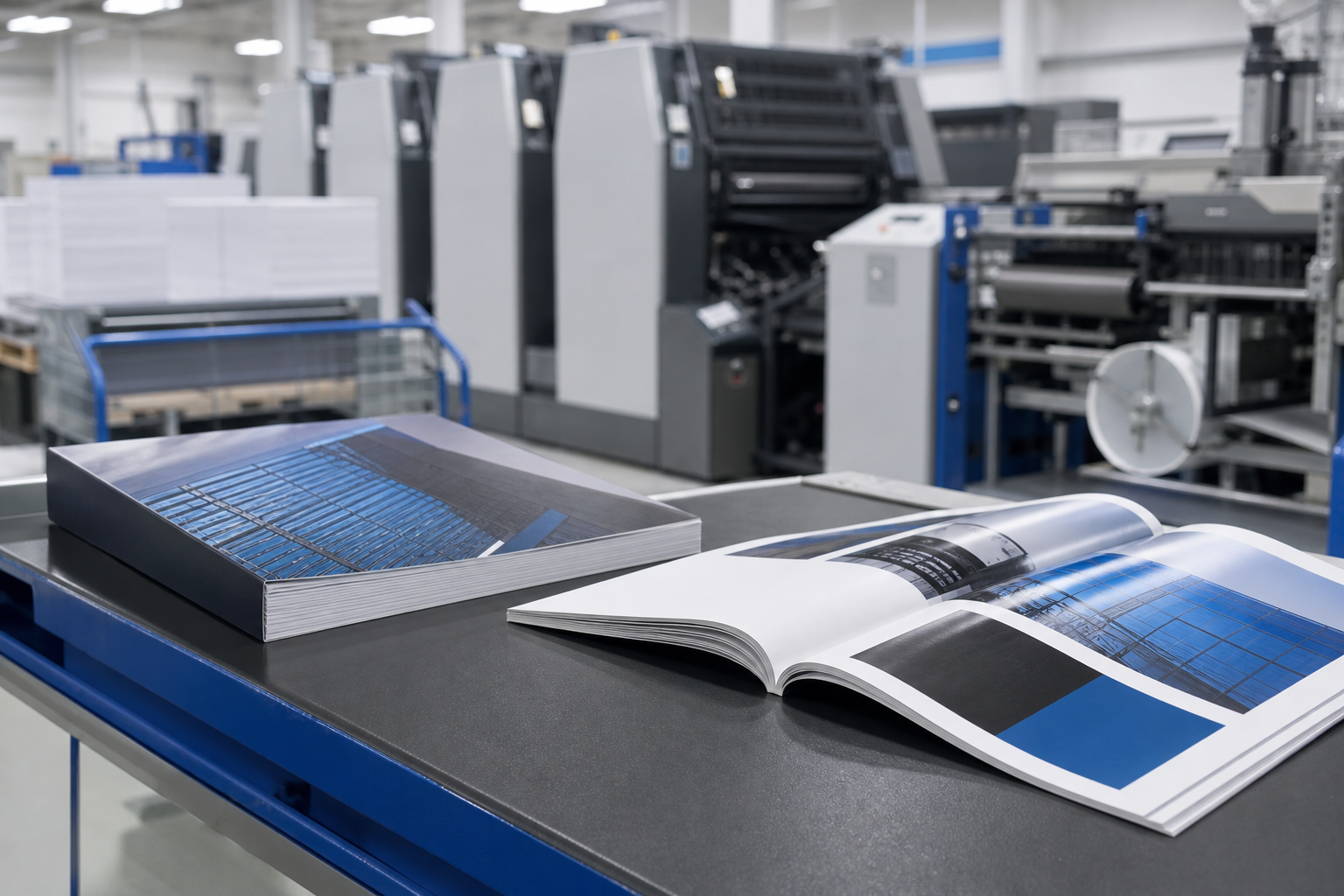
Magazine printing short run projects generally favor digital production when flexibility, versioning, and controlled inventory matter most. Sheet-fed offset printing often becomes the stronger option for larger quantities of the same publication, especially when repeatability, color control, and efficient long-run production are priorities. The right choice depends on more than quantity alone.
A magazine is a coordinated production system. Page count, trim size, paper, imagery, binding, mailing, storage, and delivery all affect the production plan. Evaluating those variables early helps publishers avoid excess inventory, delayed approvals, and unnecessary changes late in the schedule.
Magazine printing short run: when digital production fits
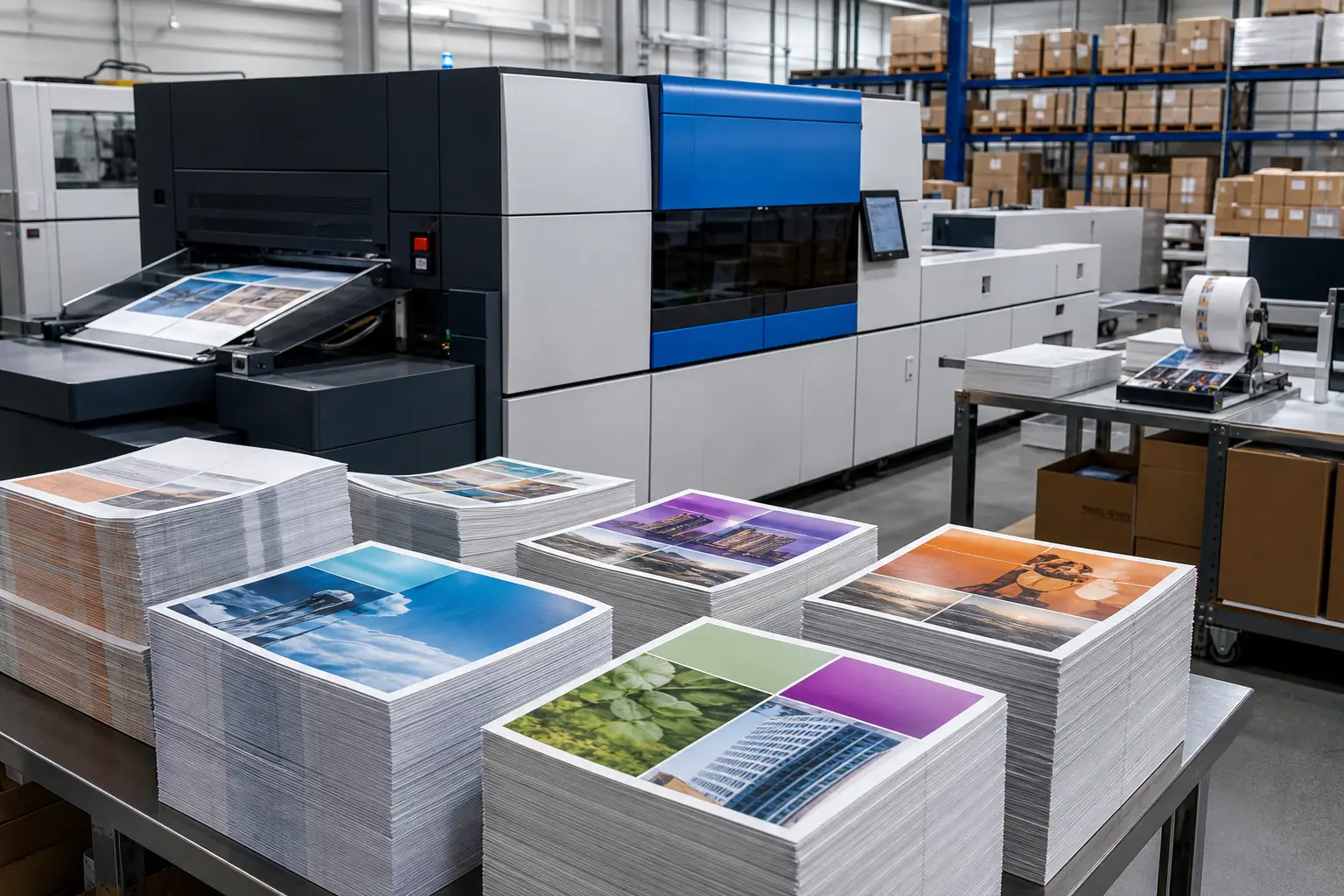
Digital production is well suited to publications that need smaller quantities, frequent updates, or multiple versions. It can support a controlled approach to printing rather than requiring a publisher to commit to a large inventory before demand is clear.
For example, an association may produce a member publication with regional advertising inserts. A college may need separate editions for prospective students, alumni, and donors. A retailer may require versions with different store groups, offers, or market messaging. Digital production can make these variations more manageable within one coordinated program.
Consider digital production when the publication requires:
- Limited quantities or a phased release schedule
- Versioned covers, content, offers, or regional information
- Variable data, such as personalized messaging or recipient-specific details
- Frequent editorial changes between issues
- Lower inventory exposure for seasonal or time-sensitive materials
- Reprints of a current issue without restarting a large production run
Short runs do not need to look temporary. Paper selection, image preparation, binding, trimming, and finishing still shape the reader’s experience. A production partner should review the final format and intended use before selecting the production method. For a closer look at inventory control and edition planning, see short-run magazine printing for versioned publications.
When sheet-fed offset printing supports high-volume publications
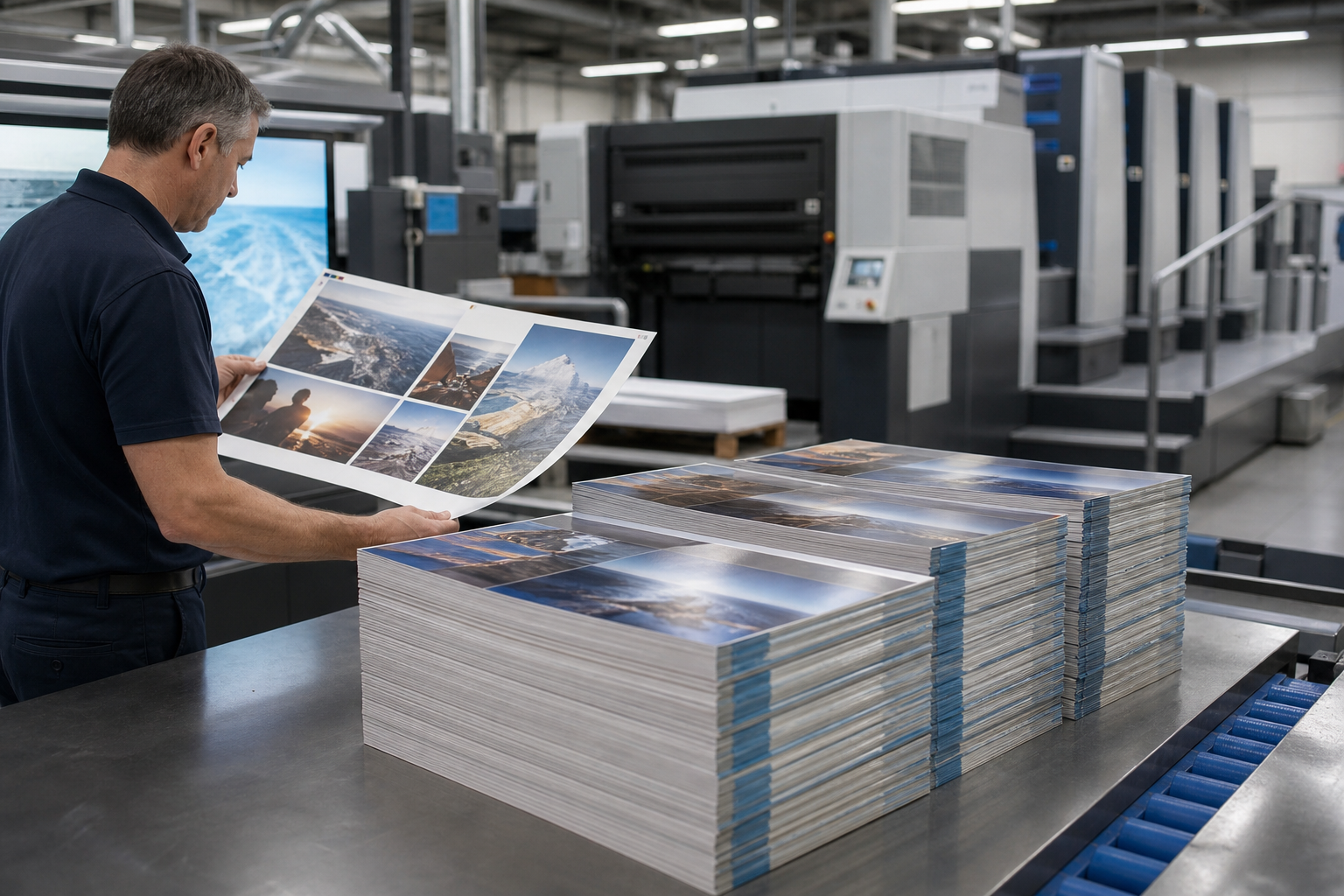
Sheet-fed offset printing is built for larger, repeatable publication programs. Its setup requirements make it most practical when a substantial quantity of the same version will be printed. Once production is running, offset can provide consistent results across a long run and support demanding photographic or brand-sensitive layouts.
Offset is commonly worth evaluating for recurring magazines, catalogs, annual publications, and other high-volume pieces with stable files. It also supports a wide range of paper stocks and finishing specifications, which can be important when the publication needs a particular feel, opacity, or durability.
Offset may be the better fit when your program has:
- A high volume of identical copies
- Stable editorial and advertising files before press time
- Detailed photography, large solid color areas, or tightly managed brand color
- Recurring issues that need a repeatable production standard
- Specific paper, coating, or finishing requirements
- Distribution plans that can absorb a larger delivered quantity
There is no universal quantity where digital ends and offset begins. Page count, paper choice, number of versions, coverage, finishing, and schedule can all change the equation. A production estimate should compare the complete job, not only a per-piece print price. Learn more about the operational differences in sheet-fed offset versus digital printing for high-volume programs.
Compare the full production requirements, not only run length
Run length is an important starting point, but it should not make the decision by itself. A large publication with several regional editions may benefit from a digital workflow. Conversely, a modest but stable publication with a complex paper and finishing specification may warrant an offset review.
Versioning and editorial control
Versioning affects both production method and file management. Define which pages remain common across all editions and which pages change. Covers, inserts, pricing, localized articles, mailing panels, and advertising pages are common variables.
Create a clear edition matrix before prepress begins. It should identify each version, quantity, page changes, mailing or delivery destination, and approval owner. This reduces the risk of mixing files or sending the wrong edition to a location.
Color expectations and image preparation
Publication color begins with production-ready artwork. Images, brand colors, black builds, overprint settings, and proofing expectations need review before a job enters production. Consistent color also depends on using a defined process from issue to issue.
For recurring publications, retain approved specifications for paper, inks, proofs, finishing, and prior issues. This creates a useful reference point as teams and content change over time. Read more about maintaining color consistency across recurring magazine issues.
Paper, page count, and binding
Paper influences opacity, weight, image appearance, mailing practicality, and the finished publication’s feel. Page count affects imposition and binding choices. A magazine’s trim size and final thickness can also affect packaging and distribution.
Common binding options include saddle stitching and perfect binding, but the right selection depends on the page count, paper stock, expected handling, and desired presentation. Confirm the binding method early. A late change can affect pagination, cover construction, schedule, and cost.
Finishing, mailing, and distribution
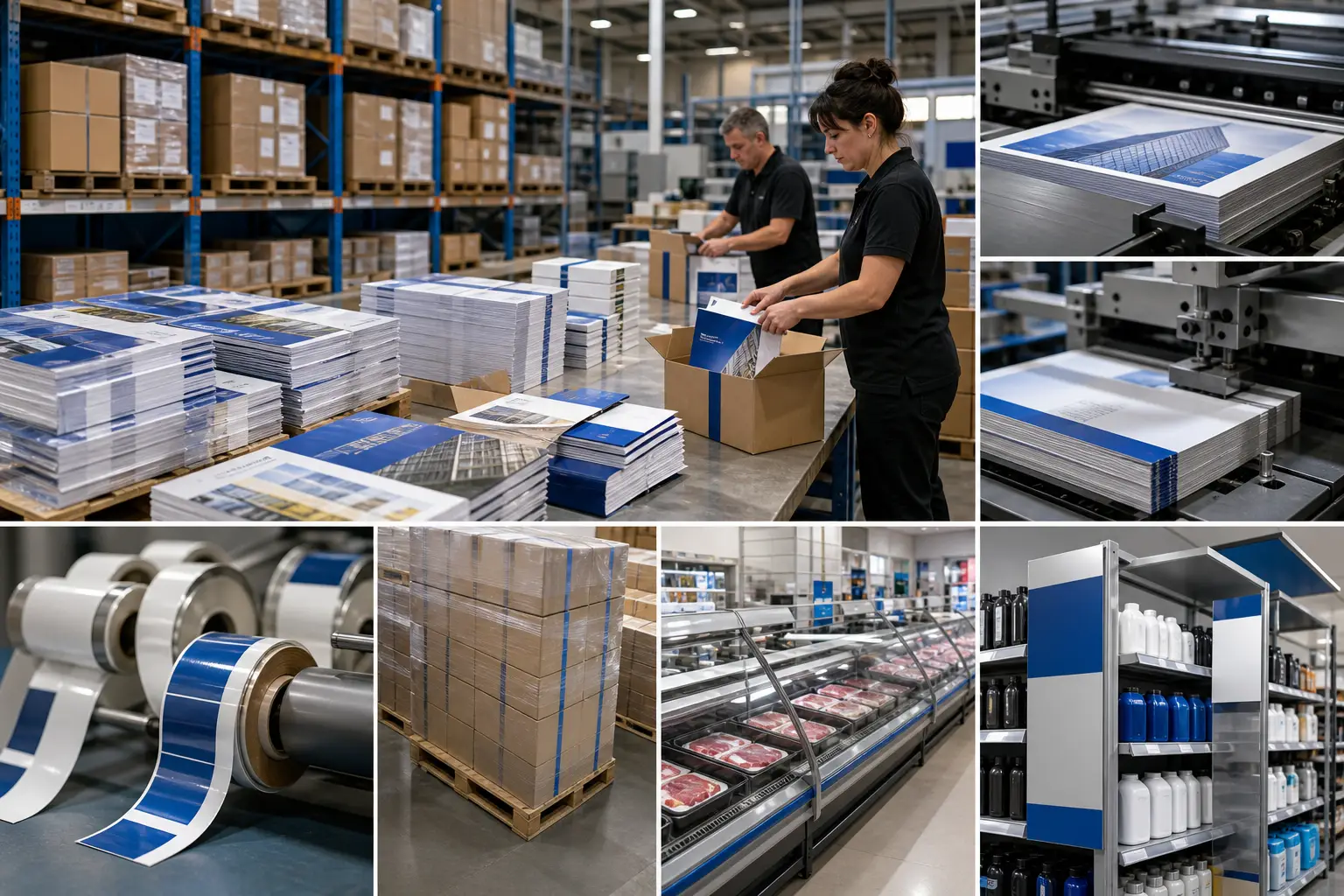
Finishing turns press sheets into a usable publication. Folding, trimming, binding, inserting, addressing, bundling, kitting, and packing should be planned as part of the same workflow. They are not secondary details.
For multi-location programs, determine whether publications ship as bulk quantities, store-specific kits, or individual mail pieces. Accurate counts and destination-level instructions help protect version control through fulfillment. Organizations that need coordinated delivery can explore direct mail and fulfillment services as part of their broader publication plan.
A practical decision process for magazine production
Before requesting estimates, assemble the production details that affect the method and schedule:
- Final trim size, page count, and estimated quantity for each edition
- Publication frequency and any expected reprint needs
- Number of versions and exactly what changes in each version
- Paper preferences, cover requirements, and binding expectations
- Color-critical pages, photography requirements, and proofing needs
- Mailing, kitting, warehousing, and delivery requirements
- File delivery date, approval process, and in-home or delivery deadline
This information allows a production team to identify tradeoffs before they become problems. It also makes estimates more comparable because each option reflects the same scope.
Plan the publication as a repeatable program
The most effective magazine programs establish standards that can carry from one issue to the next. Those standards may include a page-count range, approved paper options, color targets, trim and binding specifications, file-submission rules, version naming, and distribution instructions.
Print Group Inc. provides in-house prepress, digital and sheet-fed offset printing, bindery, finishing, mailing, kitting, fulfillment, and multi-location distribution for commercial print programs. Discuss the publication’s run length, edition structure, and delivery requirements before finalizing the production path. That conversation can clarify whether digital, offset, or a coordinated combination best supports the next issue.