Recurring commercial print programs often need more than a production vendor. When materials must be stored, assembled, replenished, versioned, and delivered to many locations, print fulfillment becomes a core part of program execution. A distribution partner can help organizations coordinate the movement of finished materials after printing, while maintaining clearer control over inventory and release schedules.
This need commonly appears in retail promotions, corporate collateral programs, higher education recruitment cycles, product launches, warehouse documentation, and multi-location campaigns. The challenge is not simply producing the right quantity. It is ensuring each location receives the correct combination of current materials when it needs them.
When print fulfillment becomes necessary
A recurring program may begin with a straightforward print order. Over time, it can gain regional versions, department-specific pieces, revised messaging, seasonal components, and more delivery points. At that stage, storing cartons internally and shipping materials as requests arise can create avoidable operational work.
Print fulfillment is worth considering when an organization faces one or more of these conditions:
- Printed materials are released over weeks, months, or several campaign cycles.
- Multiple locations need different quantities, versions, or kits.
- Campaigns include several pieces that must arrive together.
- Internal teams lack practical space for printed inventory.
- Materials are frequently reordered without a clear view of remaining stock.
- Store openings, events, promotions, or departmental resets create scheduled distribution needs.
- Obsolete versions create a risk of using outdated content or branded materials.
These conditions do not automatically require a large or complicated system. They do signal that production, storage, assembly, and distribution should be planned as one workflow rather than treated as separate tasks.
Print fulfillment connects production to distribution
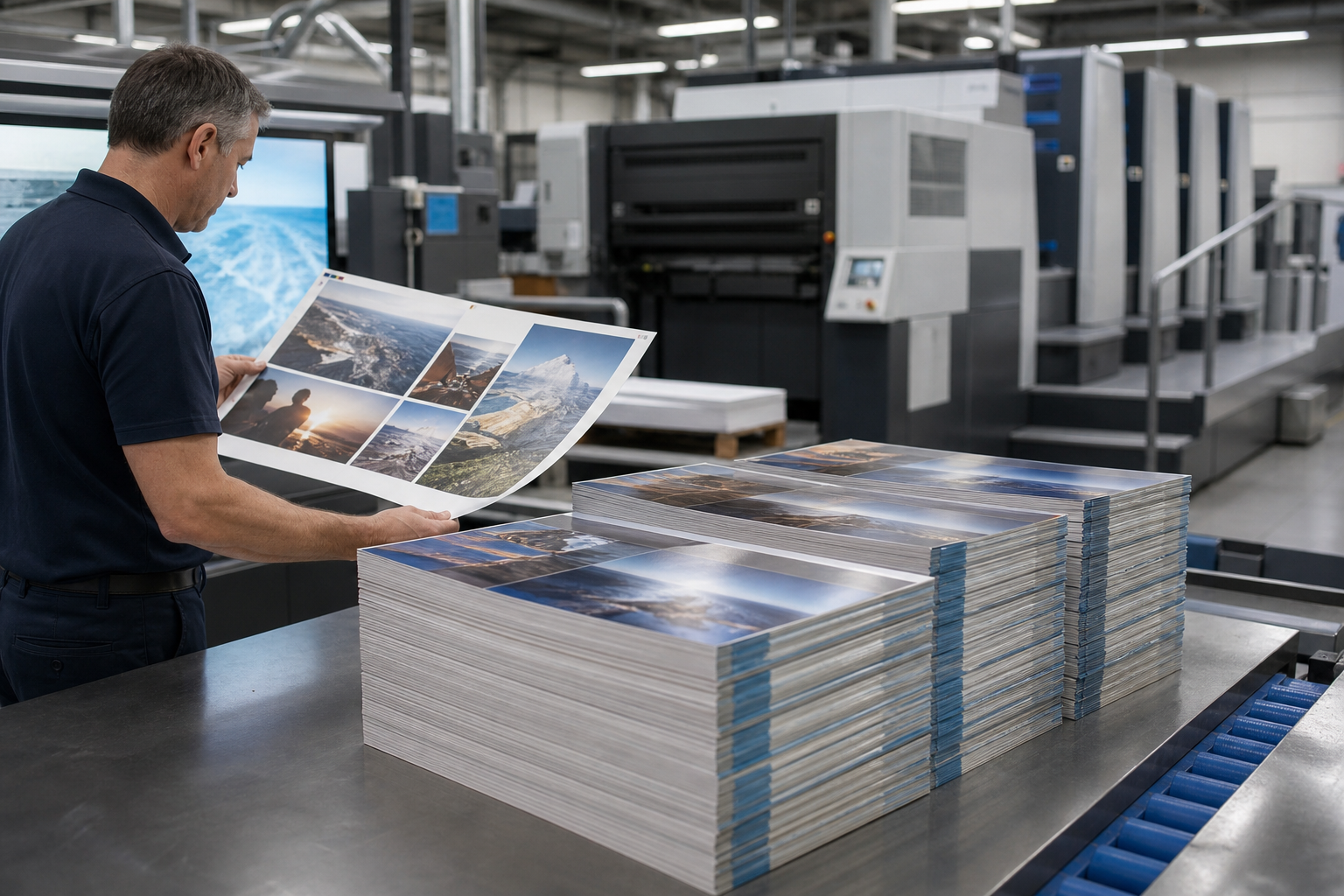
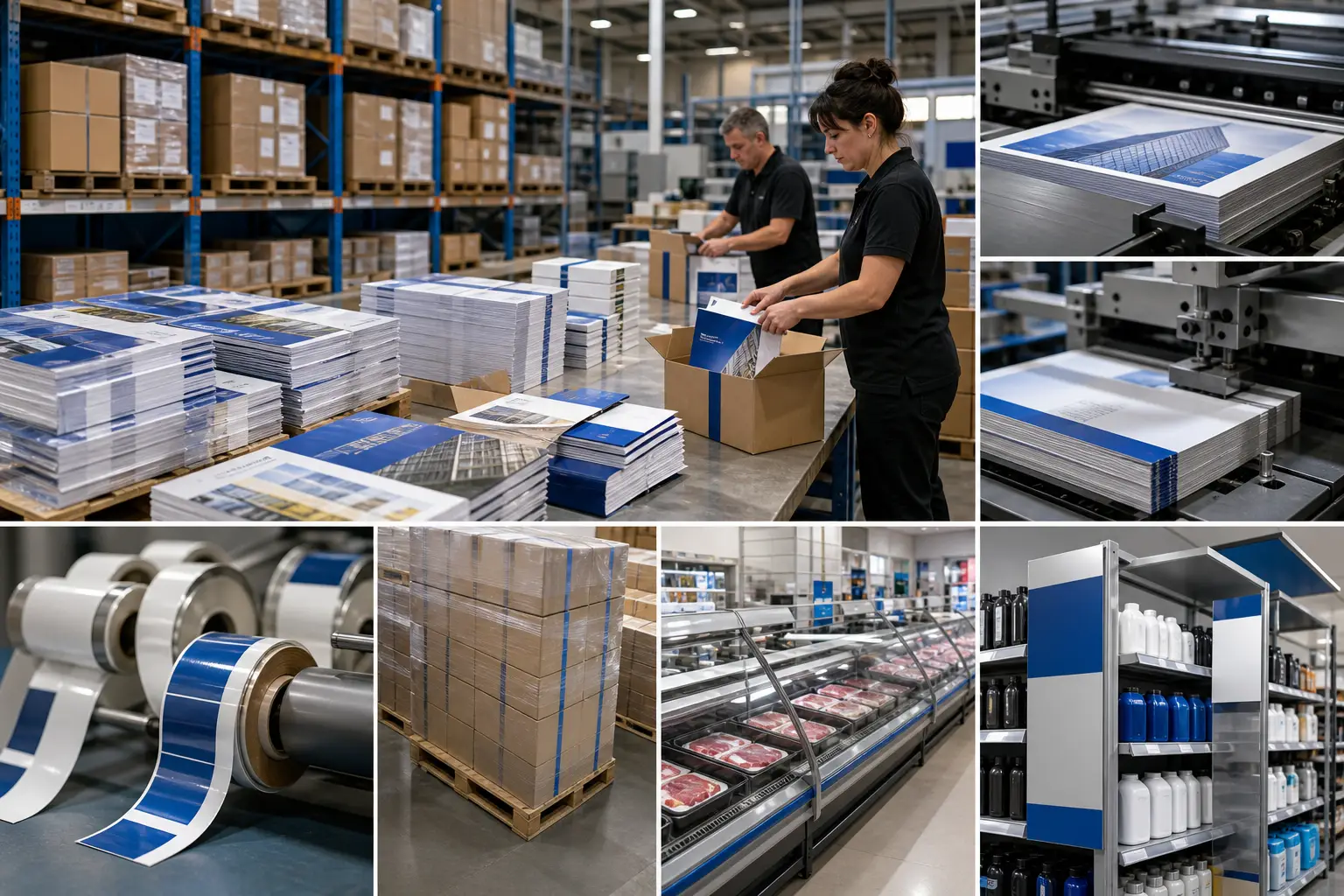
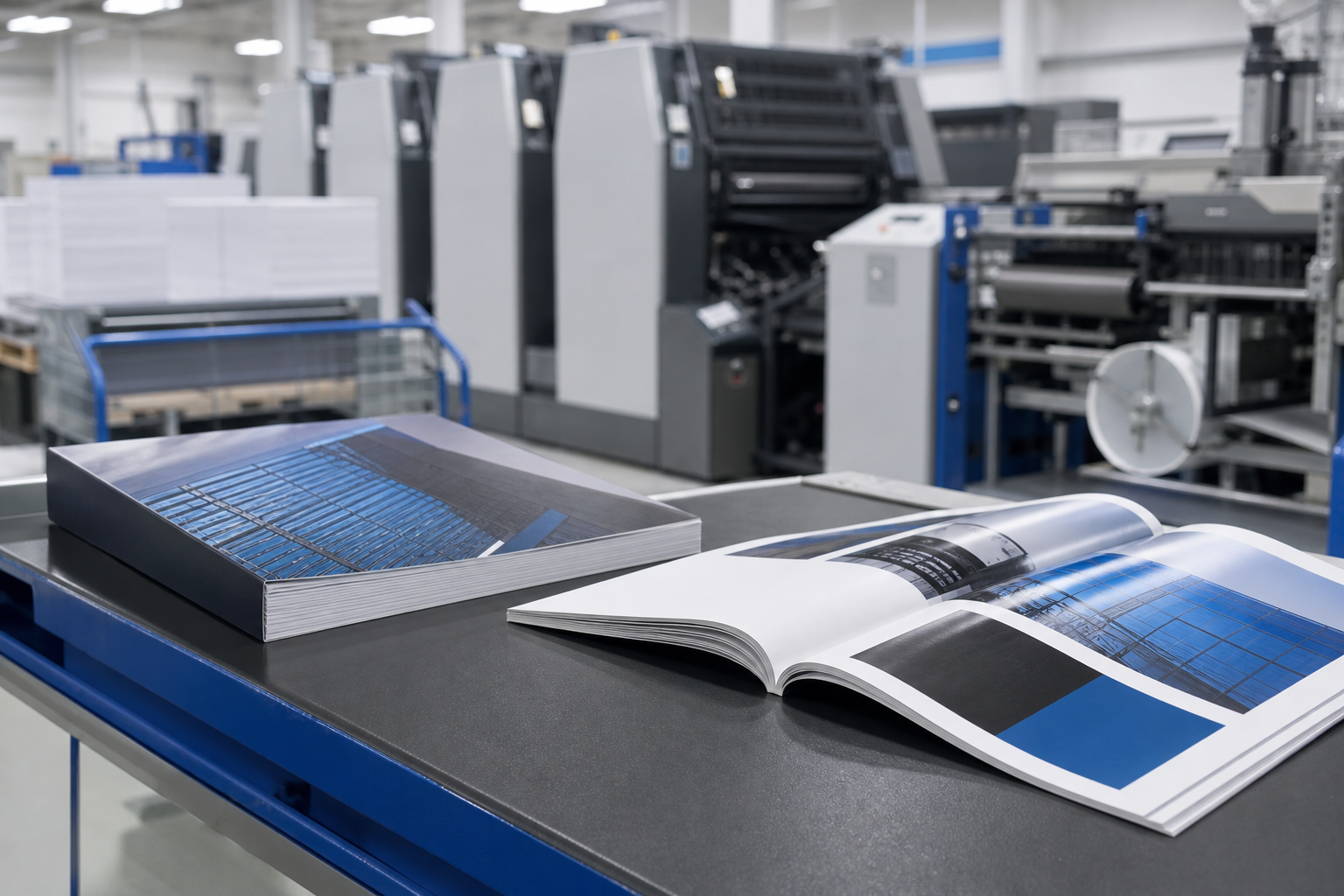
Commercial printing produces the physical pieces. Fulfillment governs what happens next: inventory is received into a managed supply, components are assembled when needed, and completed kits or individual items are prepared for the appropriate destination.
That connection matters because print decisions affect downstream handling. A campaign may include brochures, counter cards, shelf materials, posters, inserts, manuals, labels, or promotional displays. Each component has its own quantity, version, finishing requirements, and delivery plan. A production partner that understands the full program can plan quantities and packaging around the eventual release method.
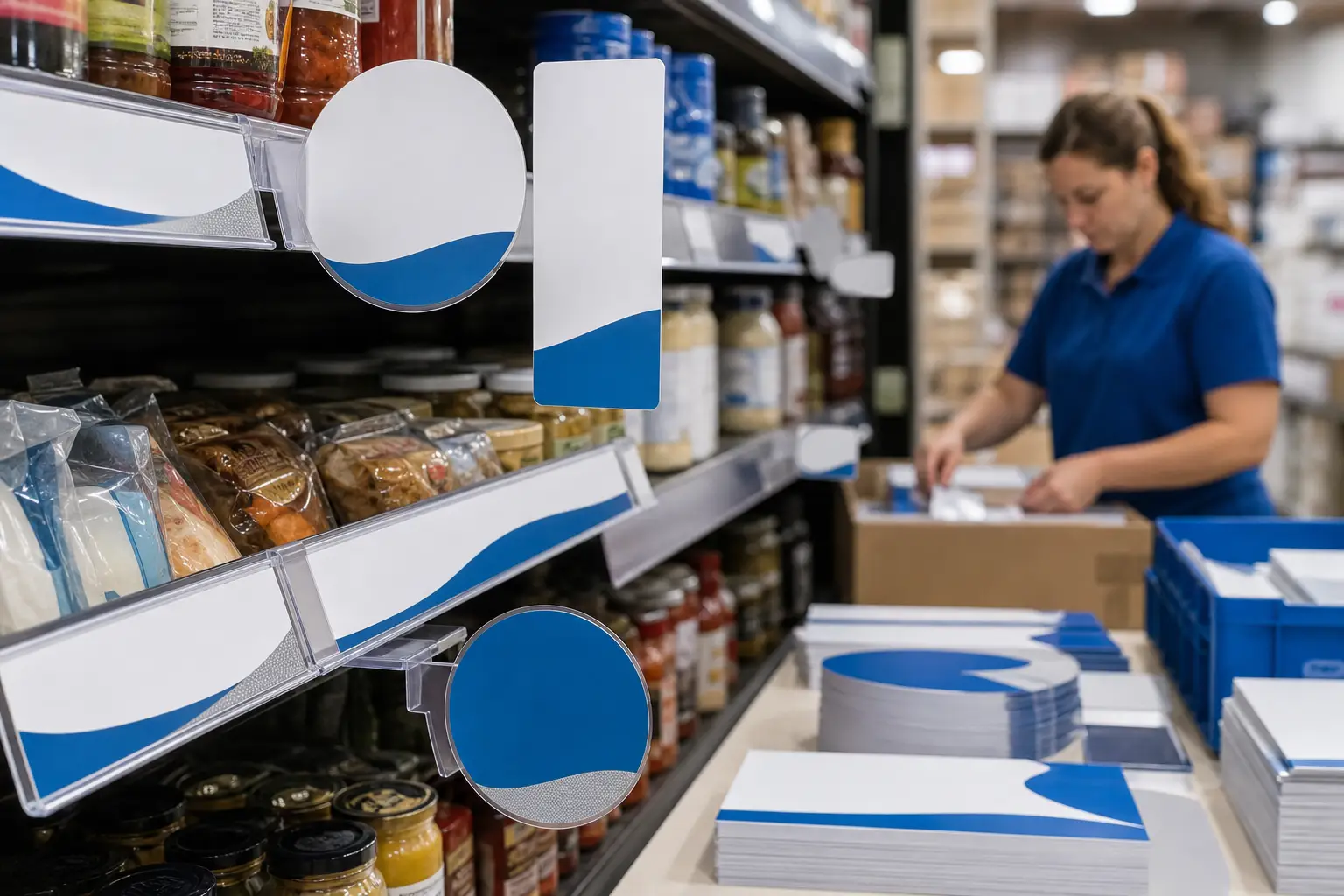
For example, a multi-location retail promotion might require a common set of campaign materials, with extra department-specific items for selected stores. Instead of sending every item to every store, the program can be structured around defined kit types and location lists. This helps teams match materials to the intended destination and reduces the need for locations to sort through unnecessary pieces.
For programs with multiple components and destinations, kitting and distribution services provide a practical framework for organized assembly and national shipping.
Inventory management should support real release decisions
Inventory management is not just counting cartons. For recurring print programs, useful inventory control identifies what is on hand, which version it is, where it is intended to go, and when replenishment should be considered.
Before a program enters inventory, define the information that will make future releases easier to manage:
- Item identification: Use clear names or codes for each printed piece and kit component.
- Version identification: Distinguish current, regional, seasonal, and retired artwork.
- Unit of measure: Establish whether inventory is tracked by each, pack, carton, roll, or complete kit.
- Release rules: Document who can request materials and what approval is required.
- Reorder planning: Set a review point based on expected usage, production lead time, and campaign timing.
- Disposition of old materials: Decide how superseded pieces will be separated from current inventory.
Clear controls are especially important when a program uses versioned messaging. Regional pricing, location-specific contact information, product differences, and department variations can all create materials that look similar but cannot be used interchangeably. Organizations planning several related versions can benefit from coordinating production through versioned campaign printing before inventory is released.
Plan the program before the first production run
Strong fulfillment begins during print planning, not after finished materials arrive. Procurement, marketing, operations, and the distribution team should align on the purpose of each item and the flow it will follow.
1. Map materials to their use
List every printed component, its audience, its location of use, and whether it will be distributed immediately or stored. A store-facing shelf strip has a different handling plan than a corporate brochure or a warehouse manual. This step also reveals materials that should be grouped into a kit.
2. Build a location and quantity matrix
For each destination, identify the required materials and quantities. A location matrix can account for store format, department count, event size, regional campaign versions, or other operational differences. It becomes the reference point for accurate distribution.
3. Choose production quantities deliberately
Ordering more than immediate demand can reduce the frequency of repeat production, but excess inventory can become obsolete. Ordering only for the immediate release may create more frequent production cycles. The right approach depends on version stability, storage requirements, campaign timing, and expected consumption.
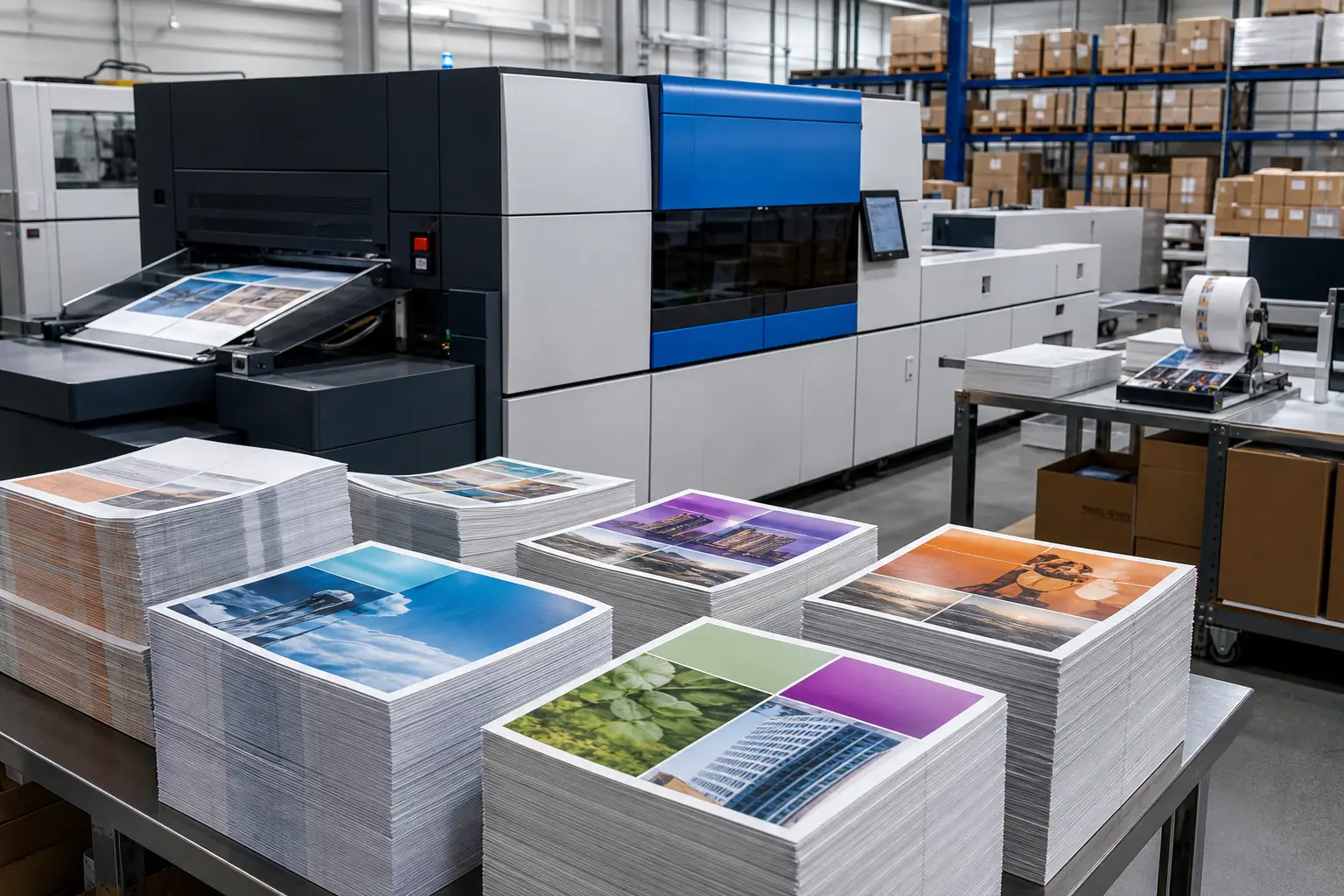
Production method also affects the decision. High-volume, stable pieces may suit sheet-fed offset production, while changing or personalized items may suit digital production. Review the differences between sheet-fed offset and digital printing when planning quantity, versioning, and replenishment.
4. Define the packing and shipping method
Packaging should protect finished materials and make receiving easier. A single-location shipment may need cartons labeled by department or campaign. A complete store kit may need components grouped in the order a team will use them. The best packing method reflects the receiving environment, not only the most convenient way to pack the materials.
Common programs that benefit from a distribution partner
Print fulfillment can support many types of recurring commercial work. The common factor is coordinated execution after production.
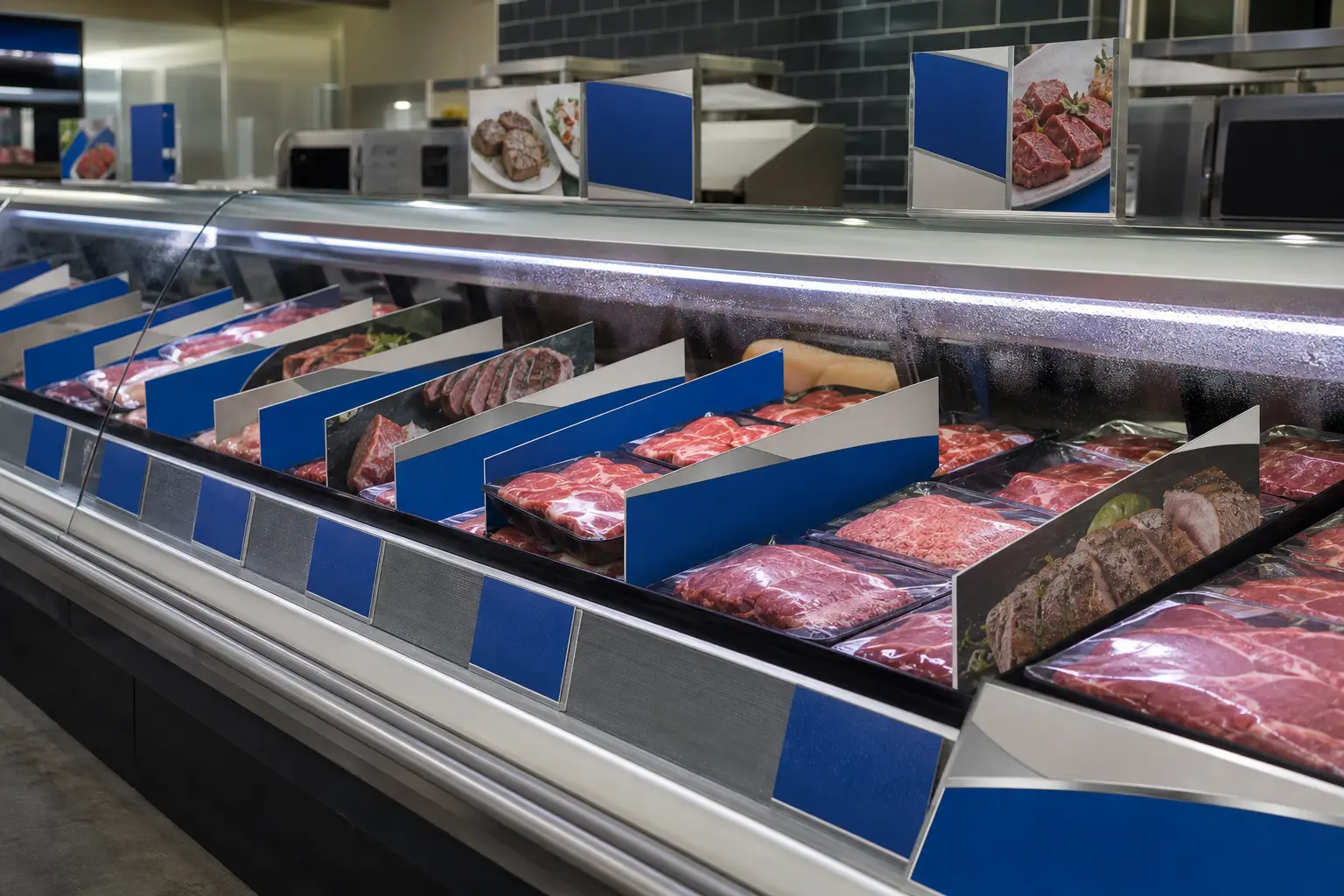
- Retail and grocery promotions: Store-specific promotional signage, shelf materials, department pieces, and seasonal display components.
- Corporate collateral: Sales materials, branded forms, presentation folders, and leave-behinds released to offices or field teams.
- Direct mail campaigns: Printed pieces that require data-driven production, mailing preparation, and scheduled release.
- Higher education communications: Recruitment, admissions, alumni, and event materials distributed across departments or campuses.
- Manufacturing and distribution operations: Manuals, operational forms, product literature, and materials that support warehouse or channel activity.
For campaigns that combine print with mailing or shipment to distributed recipients, direct mail and fulfillment services can bring production and distribution into one coordinated process.
Questions to ask before selecting a print fulfillment partner
The right partner should be evaluated on operational fit, not just on the initial print quote. Ask how the provider will handle the realities of your program:
- Can production, finishing, storage, kitting, and distribution be coordinated through one workflow?
- How will the team distinguish similar versions and prevent incorrect releases?
- What inventory information will be available for planning replenishment?
- How are multi-component kits assembled and checked before shipment?
- Can distribution be planned for multiple locations, departments, or delivery dates?
- How will changes in artwork, quantities, or destination lists be incorporated into future releases?
Print Group Inc. provides commercial print production, finishing, kitting, fulfillment, and multi-location distribution for organizations with complex or recurring programs. For a program that requires coordinated production and delivery, contact Print Group Inc. to discuss materials, inventory needs, kit structure, and distribution requirements.