Digital printing is often the right production method when a commercial project needs smaller quantities, frequent content changes, multiple versions, or recipient-level personalization. It enables organizations to produce only the materials they need, revise files without rebuilding a long-run program, and keep related versions under one coordinated workflow.
The right choice still depends on the job. Quantity, version count, data quality, substrate, finishing, color expectations, distribution plan, and replenishment needs all affect production planning. For long, stable runs, sheet-fed offset may offer a stronger fit. For changing and targeted programs, digital production can provide needed flexibility.
Where digital printing fits in commercial production
Digital printing applies toner or ink from a digital file rather than using traditional printing plates. That setup makes it particularly useful when each version needs a different message, image, offer, location, language, or recipient name. It also supports production schedules where teams cannot commit to a large inventory far in advance.
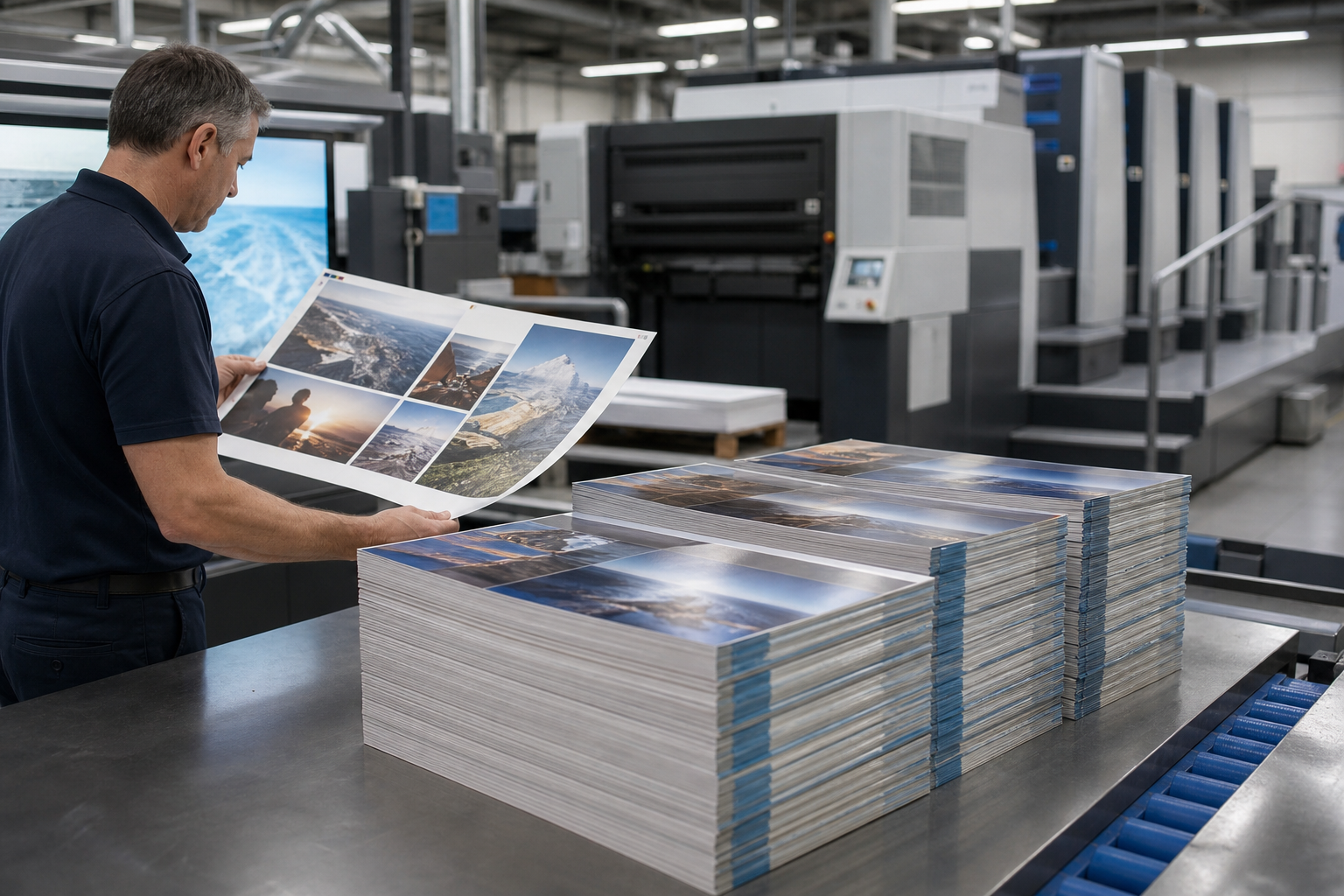
Commercial buyers should not view the choice as digital versus offset in every case. Many programs use both. A retailer may produce a high-volume, stable corporate brochure with offset while using digital production for regional inserts. A manufacturer may use offset for a standard product catalog and digital for updated technical sheets. The production method should follow the operational need of each component.
For a broader comparison of quantities, color requirements, and program structure, review sheet-fed offset versus digital printing for high-volume programs.
Use digital printing for short runs and controlled inventory
Short runs are a practical use case for digital printing. A team may need a few hundred sales kits, a limited number of event pieces, a replenishment order for manuals, or a targeted test before a wider rollout. Producing a smaller quantity can help organizations avoid holding outdated materials after a seasonal change, product revision, or brand update.
Digital production also supports a replenishment model. Rather than ordering one large quantity for the year, an organization can plan smaller releases around actual demand. This approach is especially useful when information changes regularly or materials are sent to different locations over time.
Short-run projects that benefit from flexibility
- Sales collateral for a new product launch or regional meeting
- Versioned recruitment and enrollment materials for higher education
- Technical manuals that require periodic revisions
- Limited-run catalogs, publications, and member communications
- Store-specific signage, promotional inserts, and merchandising materials
- Campaign materials that need testing before broader distribution
Quantity alone should not determine the method. A short run with unusual stock, extensive finishing, or demanding color requirements needs a full production review. Files, trim sizes, binding, coatings, folds, variable fields, and delivery requirements should be established before production begins. Print Group Inc. can support short-run printing as part of a planned commercial program.
Use digital printing for versioned materials
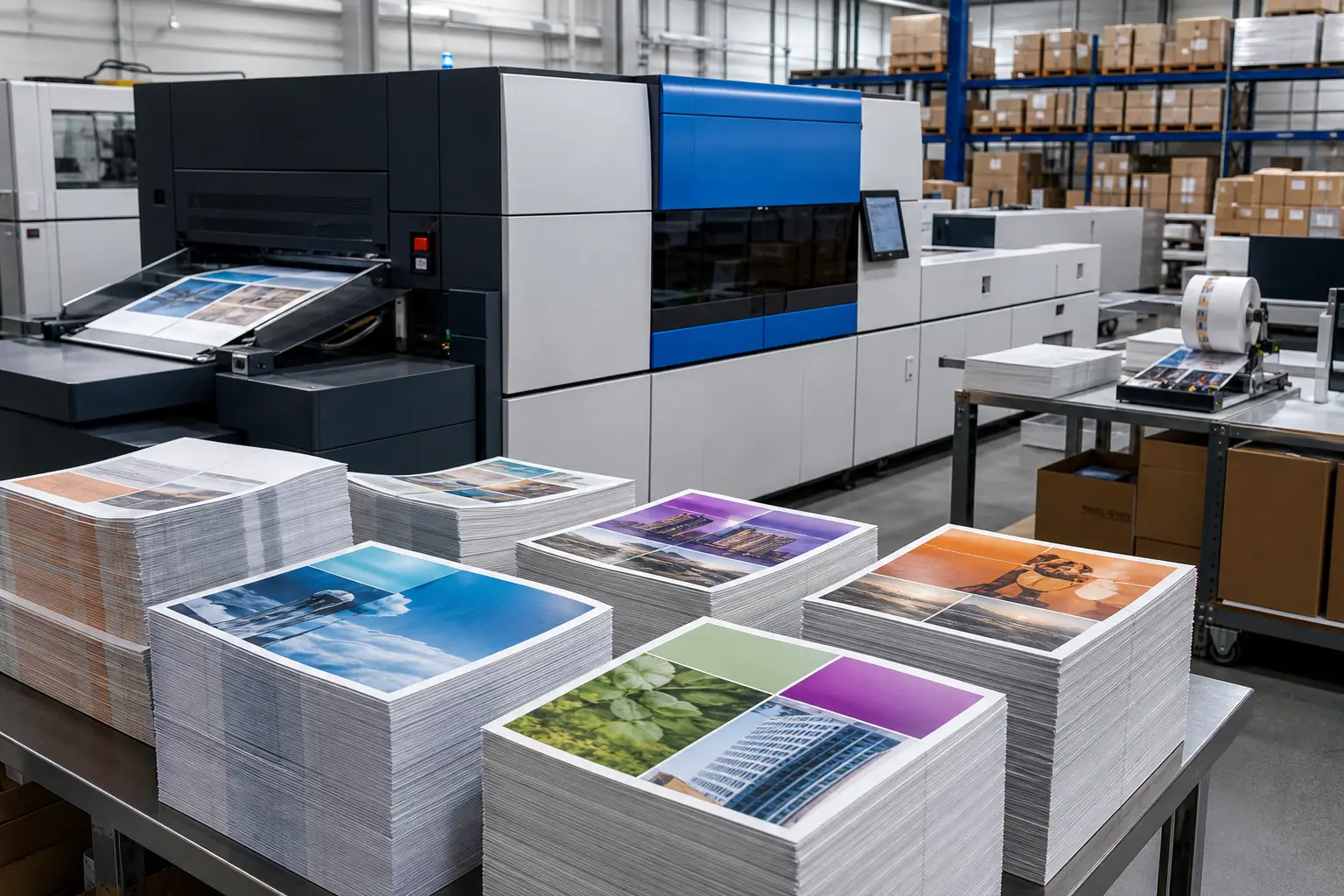
Versioned materials share a common base design but change selected elements for a defined audience, market, location, department, product line, or promotion. Unlike fully personalized work, versioning changes groups of pieces rather than each individual piece.
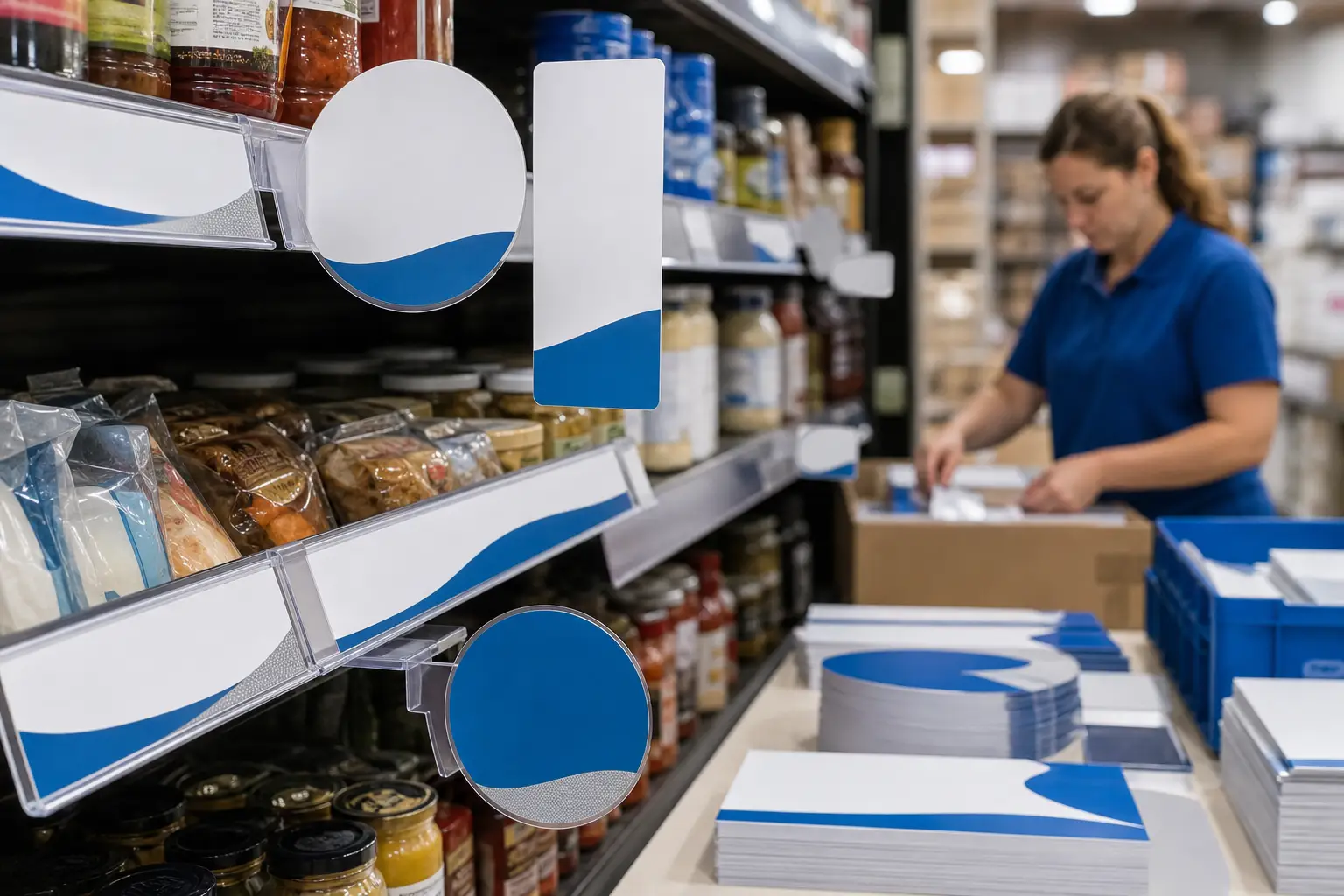
For example, a grocery organization may use one campaign design with separate versions for individual store groups. The offer, local contact information, department message, or featured products can vary while the brand system remains consistent. A manufacturer may use a common product sheet but create versions for distinct dealer networks or equipment lines.
Digital printing supports these programs because teams can manage multiple approved files in one production cycle. However, the efficiency depends on disciplined version control. Each version needs a clear naming convention, a defined quantity, an approval path, and an assigned destination. Without that structure, similar files can create avoidable production and fulfillment errors.
Plan versions before files reach prepress
- Identify what stays constant and what changes in every version.
- Create a version matrix listing each audience, quantity, and delivery point.
- Use clear file names that connect artwork to the version matrix.
- Confirm final copy, pricing, imagery, and location details before release.
- Specify whether each version ships separately, enters a kit, or goes into mail.
Versioned work requires production control, not simply multiple PDFs. Organizations planning regional, departmental, or multi-location materials can explore versioned campaign printing for a more structured approach.
Use digital printing for personalized commercial campaigns
Personalized commercial campaigns use variable-data printing to change specific text, images, offers, or other fields from one record to the next. A direct-mail piece might include a recipient name, an assigned sales representative, a nearby location, or an audience-specific message. A university might tailor outreach by academic interest or enrollment stage. A business-to-business campaign may align materials with the recipient’s industry or account relationship.
The strength of personalized printing is relevance, but relevance depends on usable data. A strong design cannot correct incomplete, outdated, or inconsistently formatted records. Before production, teams should establish which fields will vary, who owns the data, how records will be validated, and how output will be reviewed.
Questions to answer before a variable-data campaign
- Which data fields will appear on the printed piece?
- Are names, addresses, location fields, and other variables consistently formatted?
- What should happen if a field is blank or does not fit the available space?
- Will content or imagery change by segment as well as by recipient?
- How will sample records and final proofs be reviewed?
- Does the campaign require mailing, kitting, or shipment to multiple destinations?
Personalization should serve a defined communication goal. Adding a name alone may not require a complicated program. The value is greater when the audience, message, offer, and distribution plan work together. Learn more about personalized direct mail for data-driven campaigns that require coordinated print and delivery planning.
Know when offset may be the better option
Digital printing is not automatically the best method for every project. Sheet-fed offset is often well suited to high-volume materials with stable artwork, consistent specifications, and repeat orders. It can be a strong choice for large catalogs, publications, annual reports, and broad campaigns where every piece is the same.
In some cases, a hybrid approach works best. Offset can produce the shared, high-volume portion of a campaign, while digital handles localized inserts, personalized letters, or limited replenishments. This approach can align production with the actual differences between components rather than forcing the entire program into one method.
Build a production plan around the final destination
A printed piece is only one part of a commercial campaign. Multi-location programs also require accurate counts, finishing specifications, pack-out instructions, destination lists, and delivery timing. Retailers may need store-specific kits. Manufacturers may need materials routed to distributors or field teams. Marketing departments may need direct mail released according to a campaign schedule.
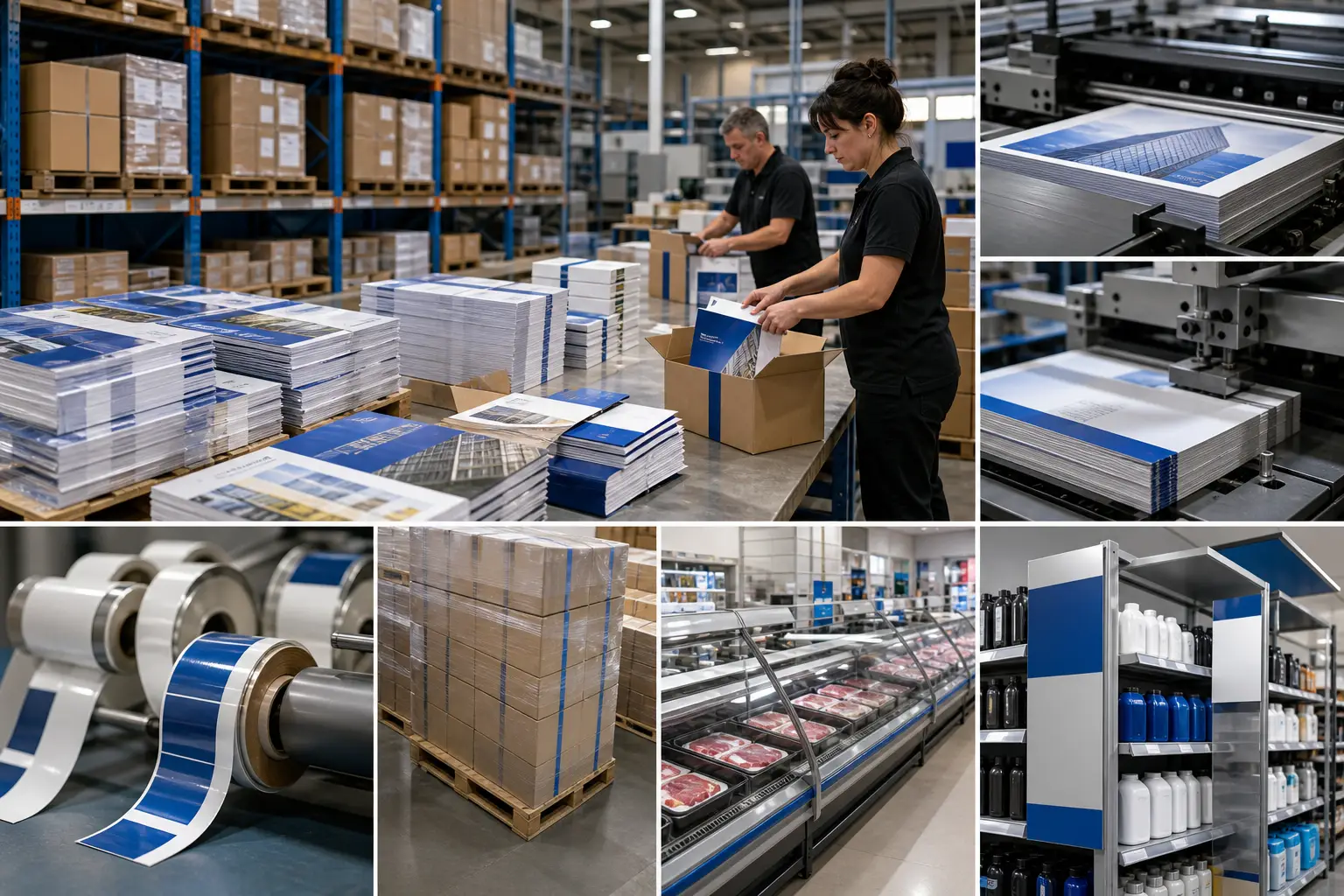
Planning fulfillment at the same time as print production helps prevent mismatched versions and incomplete shipments. Print Group Inc. provides in-house print production, finishing, mailing, kitting, fulfillment, and distribution for organizations that need a coordinated path from approved files to final destinations. For programs with multiple components or locations, see kitting and distribution services.
Choose digital printing based on the work your program must do
Choose digital printing when flexibility, version control, personalization, and lower inventory exposure matter more than producing one large run of identical pieces. Begin with the business purpose, then define quantities, versions, data fields, finishing, and distribution requirements. That process gives the production team the information needed to recommend a practical method and execute the campaign consistently.
Print Group Inc. is a nationwide commercial printing and labeling company based in Ozark, Missouri. Its team can help organizations plan short-run, versioned, and personalized print programs alongside finishing, fulfillment, and multi-location distribution requirements.