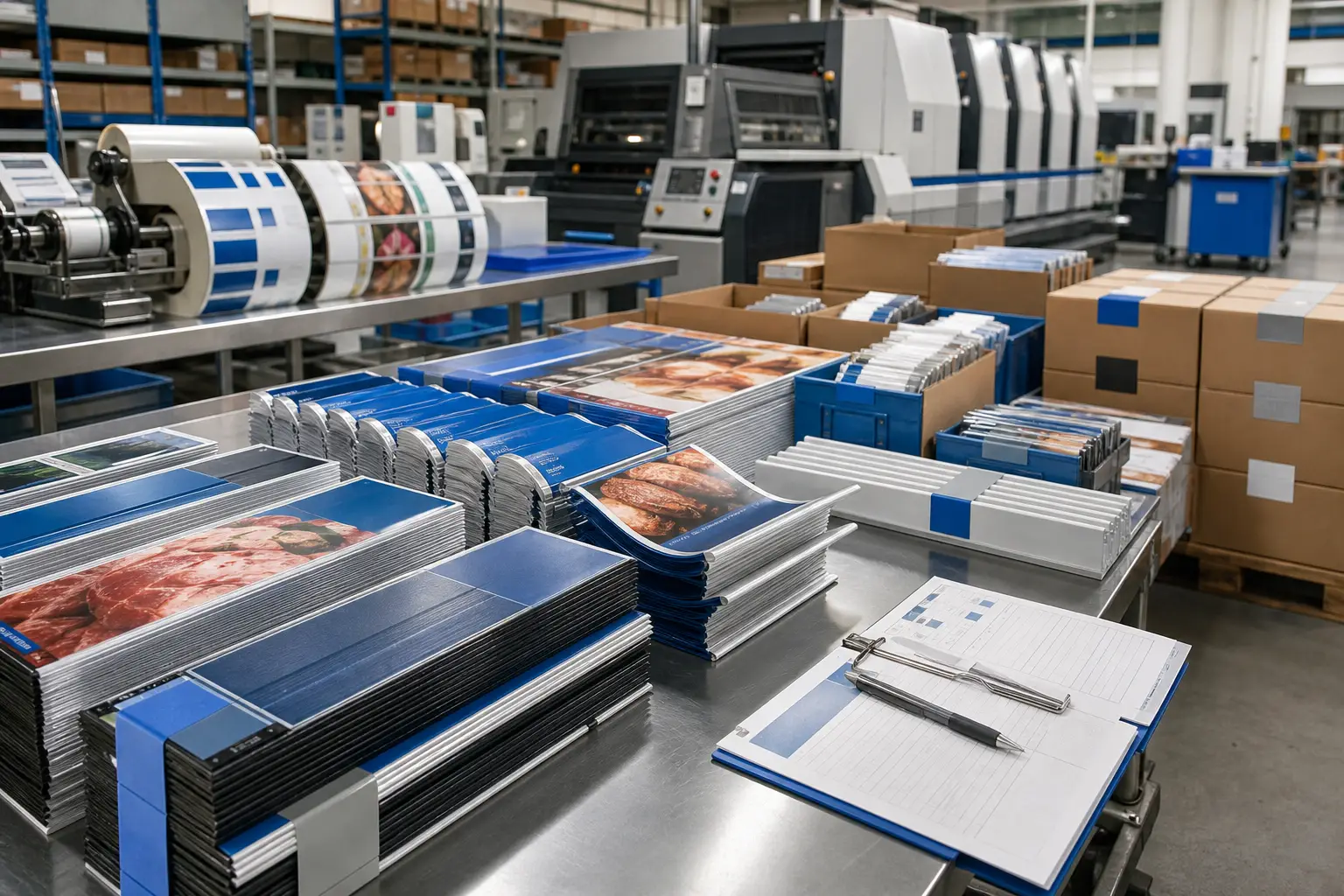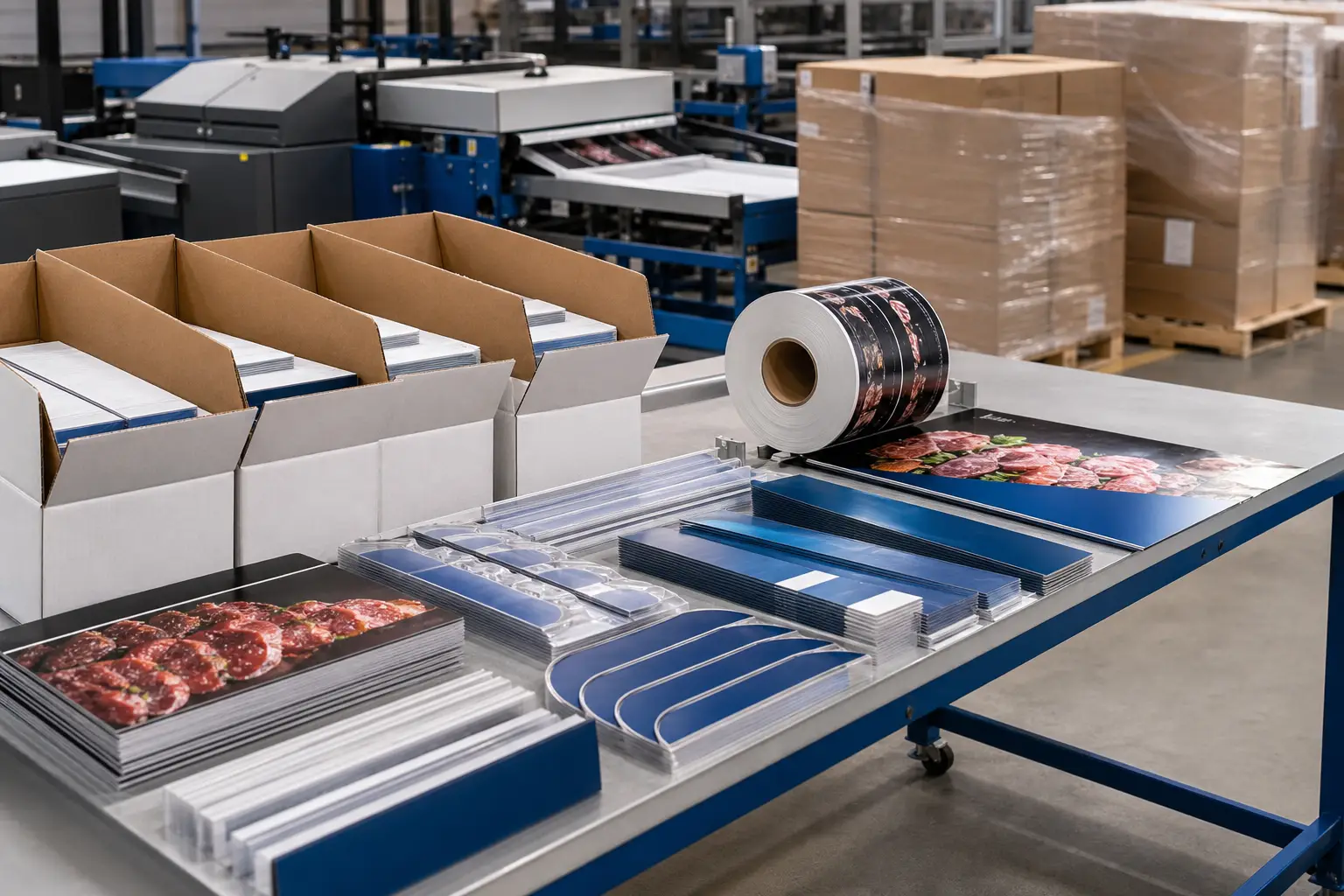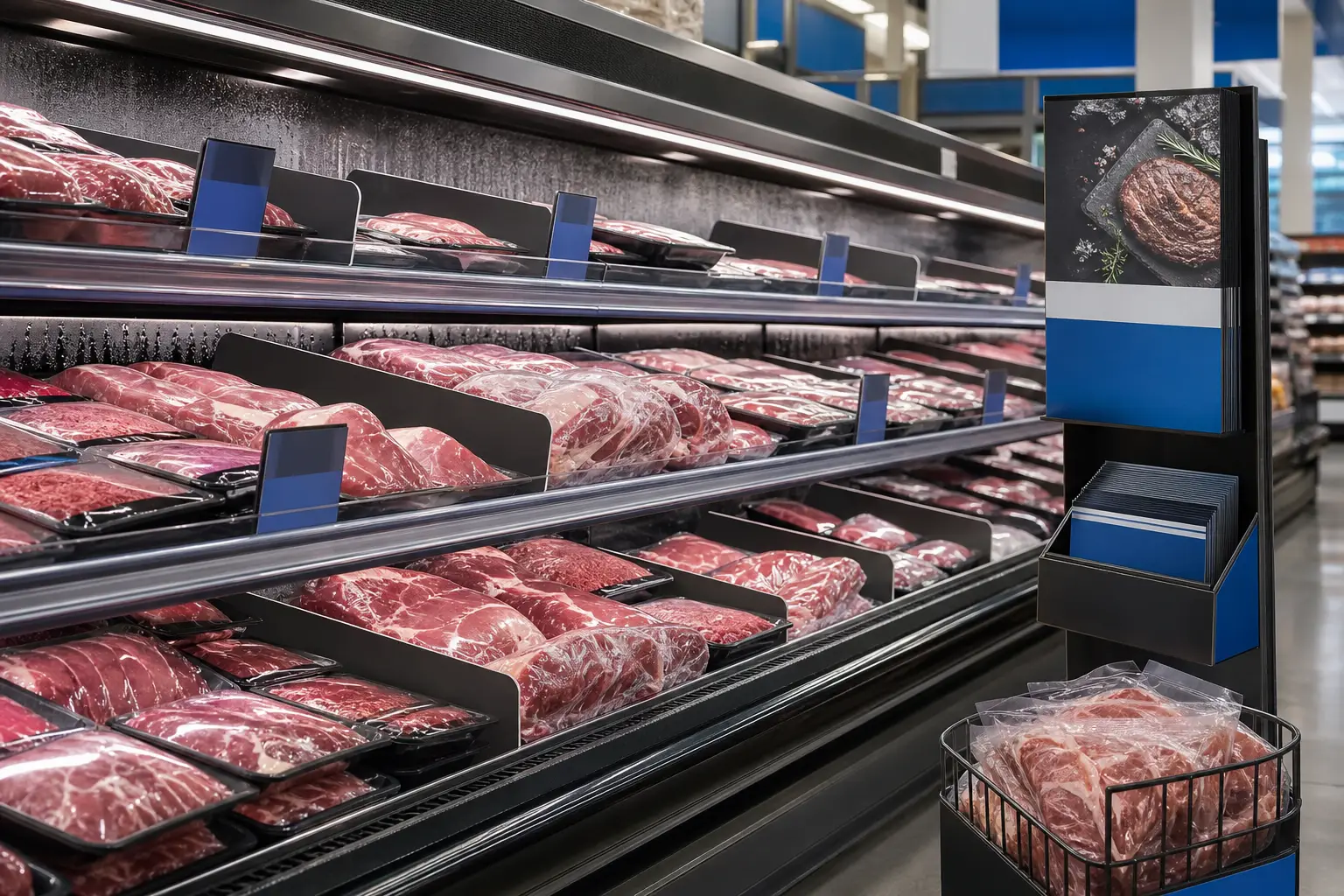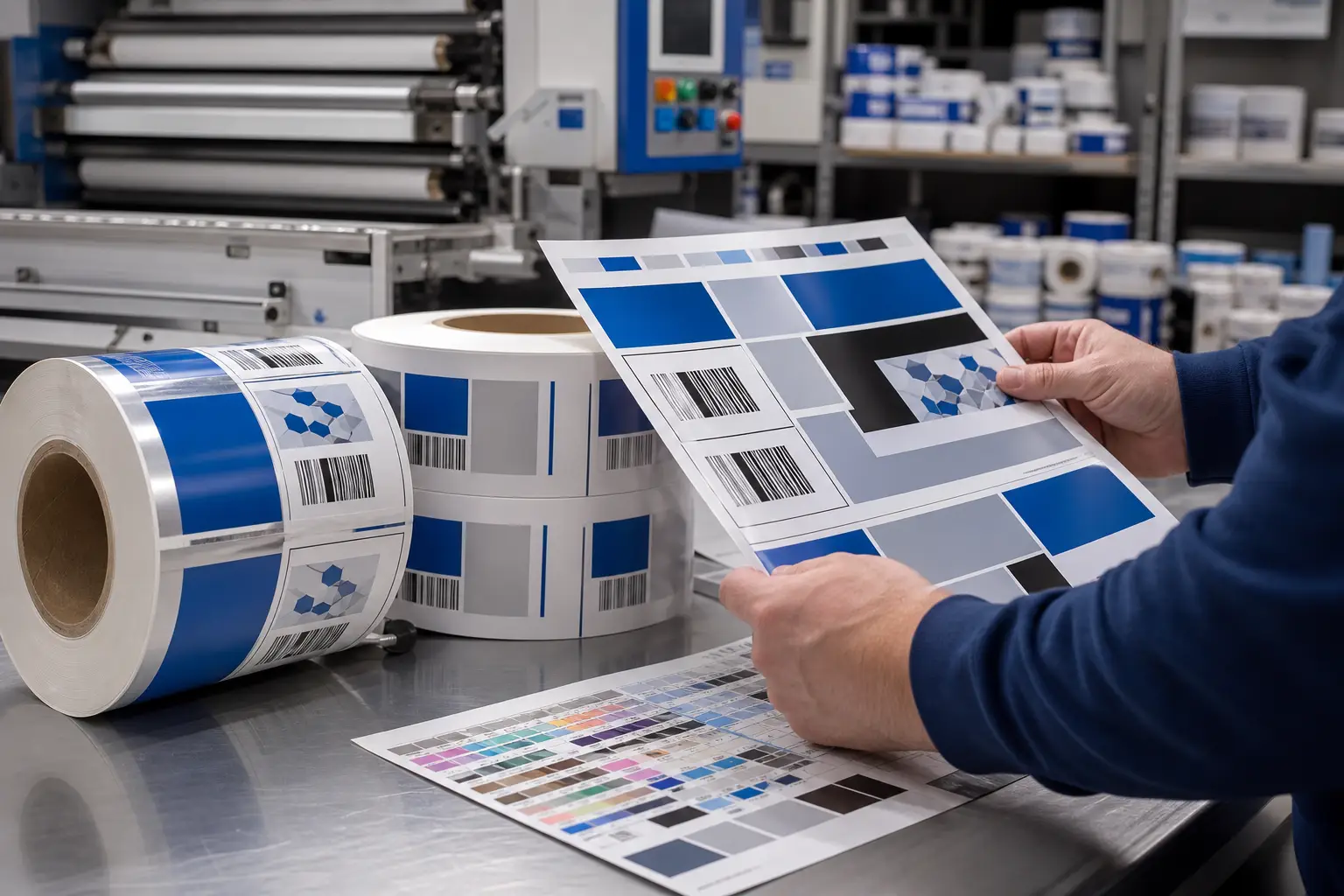
Grocery merchandising distribution is the coordinated process of producing, assembling, and delivering the correct in-store materials to each grocery location. For regional and national chains, the work extends beyond printing. It requires a controlled system for artwork versions, quantities, material selection, kit assembly, inventory, and shipment timing.
A weekly promotion, seasonal reset, department launch, or private-label program can involve shelf strips, shelf talkers, point-of-sale pieces, cold-case materials, department signage, and display components. When those items arrive incomplete, mixed between stores, or late, store teams must spend valuable time solving a distribution problem instead of executing the promotion.
Effective grocery merchandising distribution gives every store a usable package of materials, organized for its specific needs. The result is more consistent execution from the first receiving dock to the final in-store installation.
Why grocery merchandising distribution requires more than shipping cartons
Multi-store grocery programs often include shared materials alongside location-specific versions. A chain may need regional creative, different department assortments, varying fixture sizes, or store-specific quantity allocations. A single bulk shipment to a central location does not always account for those operating differences.
The distribution plan should therefore begin during production planning, not after materials come off press. Teams need to define what each location receives, how the pieces are identified, and when each kit must arrive.
Common variables include:
- Store count and shipping destinations
- Promotion dates, installation dates, and receiving windows
- Departments included in the program
- Store formats, fixture dimensions, and local assortments
- Regional, category, or pricing versions
- Quantities by store, department, or display
- Materials that need durable performance in refrigerated or high-traffic areas
- Replacement quantities and inventory requirements
By documenting these variables early, a grocery chain can avoid using store teams as the last step in sorting, counting, and troubleshooting.
Build a store-level kit plan before production begins
A store-level kit is a defined set of materials packaged for one location, department, or installation area. It should make the intended execution clear without requiring associates to sort through unrelated pieces.
Start with a kit matrix. This working document maps each store or store group to the materials and quantities it needs. It can distinguish standard components from versions that apply only to selected locations.
Define the kit contents
List every component separately. For example, a meat department promotion might include case dividers, shelf-edge pieces, promotional signs, and installation instructions. A broader storewide campaign may also require aisle materials, checkout messaging, or large-format signage.
For each item, identify its finished size, substrate, finishing requirements, artwork version, quantity, and destination. This creates a production reference that connects creative decisions to physical fulfillment.
Programs that include shelf-level materials benefit from a clear understanding of how each piece fits the intended fixture. Review practical specifications for production-ready rail strip artwork before finalizing files and kit quantities.
Group stores only when their needs truly match
Grouping stores can simplify production and fulfillment, but only when the stores share the same kit requirements. A useful grouping may reflect format, department layout, region, or promotional participation. It should not hide meaningful differences in fixture sizes or required quantities.
When versions are necessary, use a naming convention that identifies the campaign, item, version, and store group. Clear file names and kit labels help prevent the wrong components from entering a shipment.
Use version control to protect campaign consistency
Version control is central to reliable grocery merchandising distribution. It ensures the correct approved artwork is printed, finished, and placed in the correct kit. This is especially important when a campaign has regional messaging, multiple departments, or rolling updates.
Before release to print, establish one approved source for final artwork. The production team should receive production-ready files with the relevant version identifiers, quantities, and placement instructions. Changes should follow a documented approval process rather than being communicated informally across separate emails.
Versioned production can support campaigns with controlled variations across locations, regions, product lines, or departments. Learn more about versioned campaign printing for multi-version print programs.
A practical control process includes:
- A master list of approved files and revision dates
- Unique identifiers for each artwork version
- A quantity plan tied to each store group
- Proofing steps appropriate to the project
- Kit-packing instructions that match the final matrix
- Labels that identify the destination and kit contents
This structure reduces the risk that a visually similar but incorrect piece is printed or packed for a location.
Match materials and finishing to the retail environment
Distribution cannot correct a material that fails in use. Grocery merchandising materials may face refrigeration, condensation, handling, cleaning cycles, bright lighting, and frequent resets. Material decisions should reflect where and how each component will be used.
For refrigerated applications, standard paper-based materials may not be appropriate. Cold-case pieces require careful consideration of substrate, print method, finishing, and the intended display conditions. Explore considerations for cold case merchandising materials when planning in-case campaigns.
Finishing also affects distribution and installation. Folding, drilling, die cutting, lamination, adhesive application, bundling, and protective packing may change how components should be counted, packed, and shipped. Confirm these details before kitting begins, particularly for pieces that must lie flat, hang correctly, or fit a specific retail fixture.
Make kitting a controlled fulfillment step
Kitting converts individual printed components into store-ready packages. It is not simply putting materials in a box. The kitting process should verify that each package contains the right items, in the right quantities, for the right destination.
Useful kit labels can include the campaign name, store identifier, department or installation area, box number when a kit spans several cartons, and a concise contents summary. An enclosed packing list gives receiving and merchandising teams another reference point.
For complex programs, separate kits by department or deployment date. That approach can reduce confusion when a store receives materials for several initiatives at once. It can also help teams stage materials without opening every carton.
Print Group Inc. provides kitting and distribution services for programs involving multiple components, store locations, and delivery points. Coordinating production, finishing, assembly, and shipping through one workflow can keep the kit plan connected to the materials being produced.
Plan shipping around store operations
Delivery timing should support the store’s installation schedule. Arriving too early can create storage challenges. Arriving too late can compress setup time or cause a campaign to launch without complete merchandising.
Build the shipping plan around the required in-store date, then work backward through production, finishing, kitting, and transit. Confirm shipping addresses, receiving contacts, delivery constraints, and whether each location accepts freight or parcel deliveries. Keep a record of shipment status so the campaign team can address exceptions before installation day.
Consider replacement needs as part of the plan. Retaining controlled inventory can support replenishment for damaged, misplaced, or newly requested materials without requiring a full rerun for a small number of stores.
What to provide when requesting a distribution quote
A complete request helps a production partner recommend a workable path for print production, kitting, and delivery. Provide the following details where available:
- Final or near-final artwork and the number of versions
- Finished sizes, materials, and required finishing
- Store list, shipping addresses, and receiving requirements
- Kit matrix with quantities by destination
- Required arrival dates and installation schedule
- Packaging preferences, labeling needs, and packing-list requirements
- Any inventory, replenishment, or phased-release needs
Print Group Inc. is a nationwide commercial printing and labeling company that supports grocery and retail merchandising production, in-house finishing, kitting, and multi-location distribution. To discuss a planned program, request a project quote with the campaign scope, store count, materials, and delivery timeline.
Conclusion: treat distribution as part of merchandising execution
Reliable grocery merchandising distribution starts with a store-level plan and carries that plan through print production, version control, material selection, kitting, and delivery. When each location receives an organized, correctly versioned kit on the required schedule, store teams can focus on placing materials where shoppers will see them.