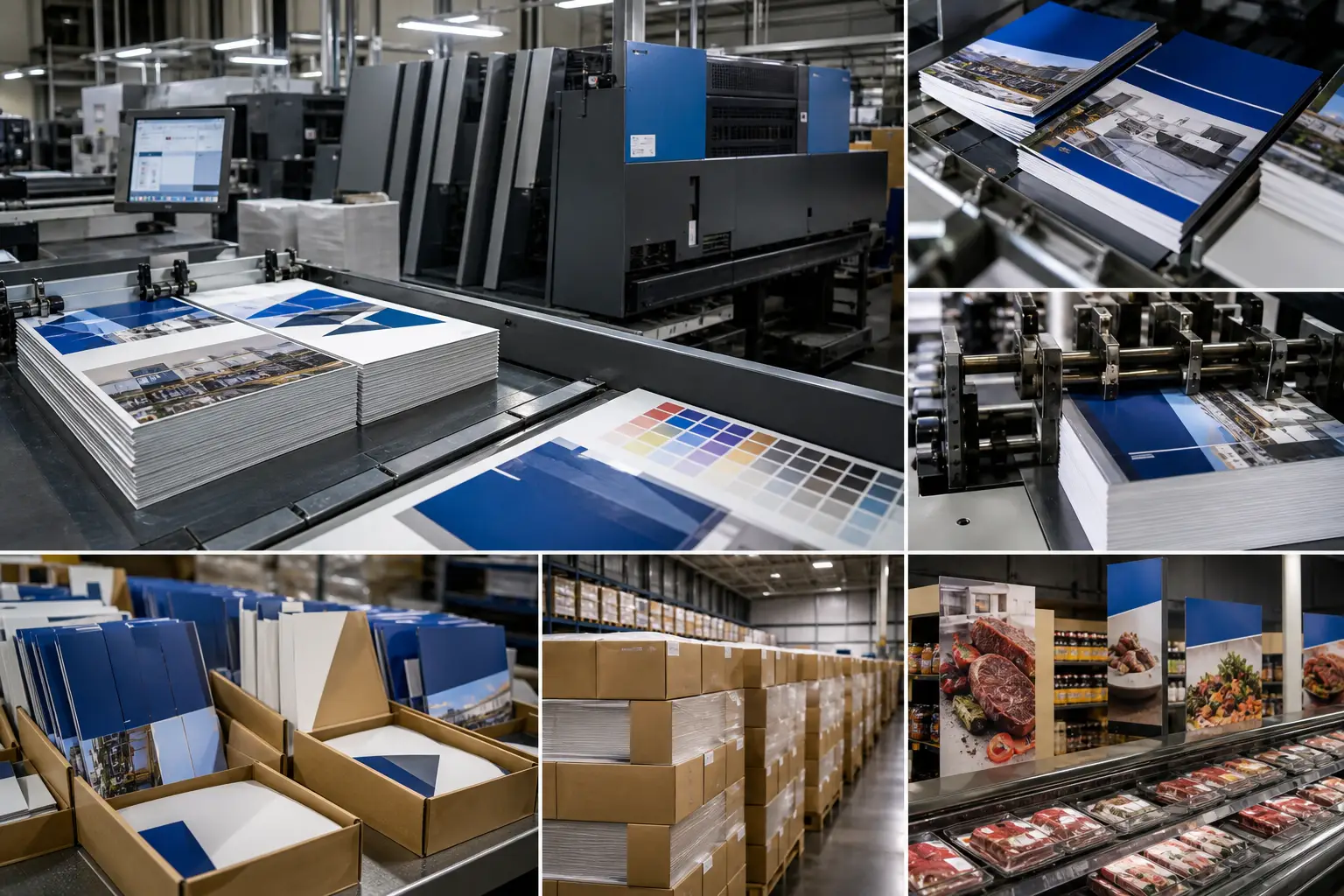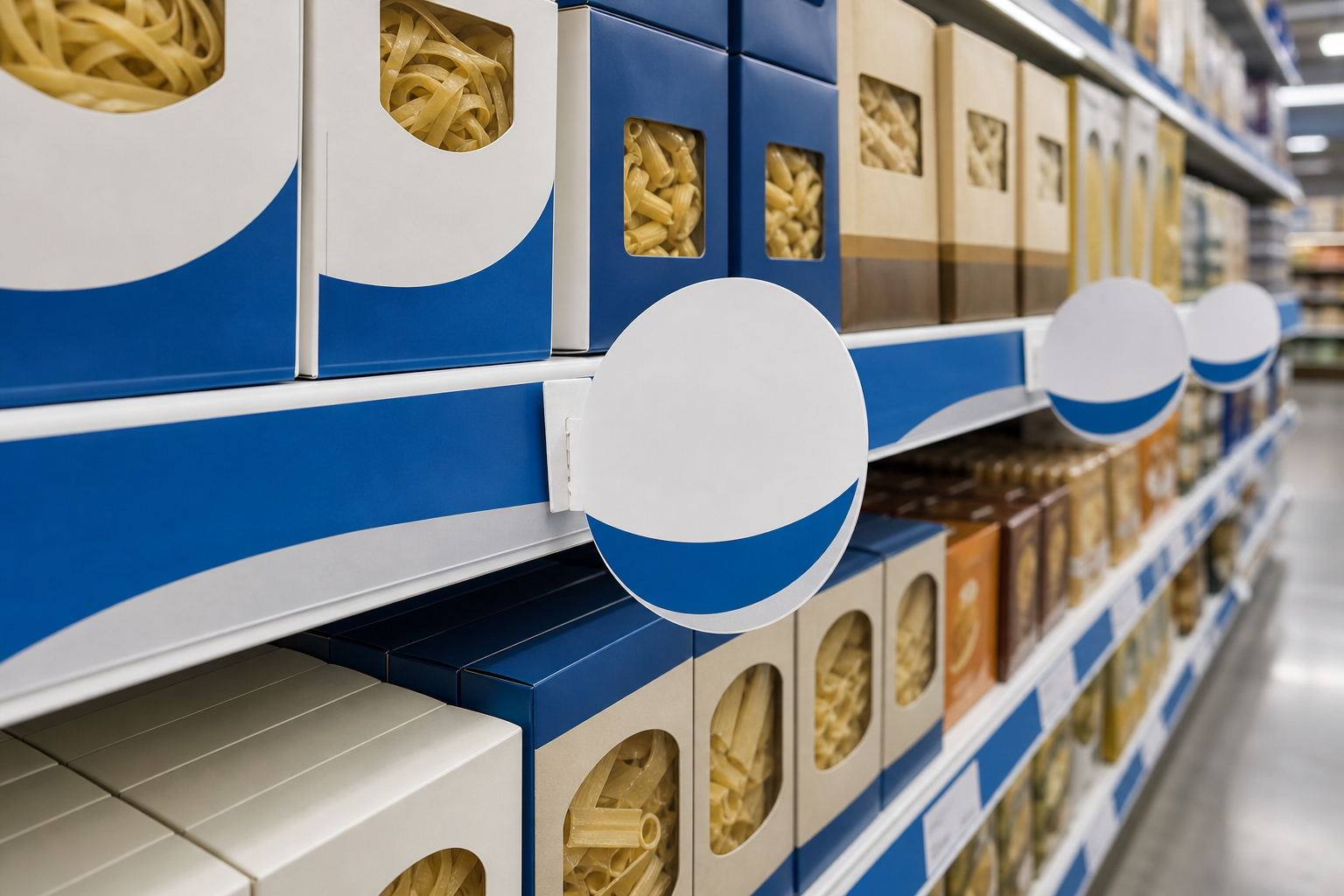
Choosing between BOPP and paper labels starts with the conditions the finished product will face. Refrigeration, condensation, product handling, package texture, label-application method, and display expectations all affect the right specification. A label that looks appropriate on a dry sample may wrinkle, lift, scuff, or lose readability after it enters a cold case or distribution cycle.
In general, BOPP is a film label material often selected where moisture resistance and durability matter. Paper can be an effective choice for dry, short-life, or appearance-driven applications. However, material alone does not determine performance. The adhesive, finish, package surface, artwork, application conditions, and label construction must work together.
BOPP vs. Paper Labels: The Practical Difference
BOPP, short for biaxially oriented polypropylene, is a plastic film substrate. It does not absorb moisture in the way paper does. That characteristic can make it a strong candidate for products exposed to condensation, refrigerated handling, or routine surface moisture.
Paper labels use a paper face stock. They offer a familiar tactile appearance and can support a broad range of printed looks. Yet paper may be less suitable when moisture exposure is expected, because it can absorb water and change shape or appearance. The degree of risk depends on the paper construction, coating, adhesive, and the actual use environment.
Neither option is automatically right for every package. A dry packaged food item, a refrigerated protein tray, a frozen product, and an industrial container may all require different material and adhesive decisions.
When BOPP Labels Are Often the Better Fit
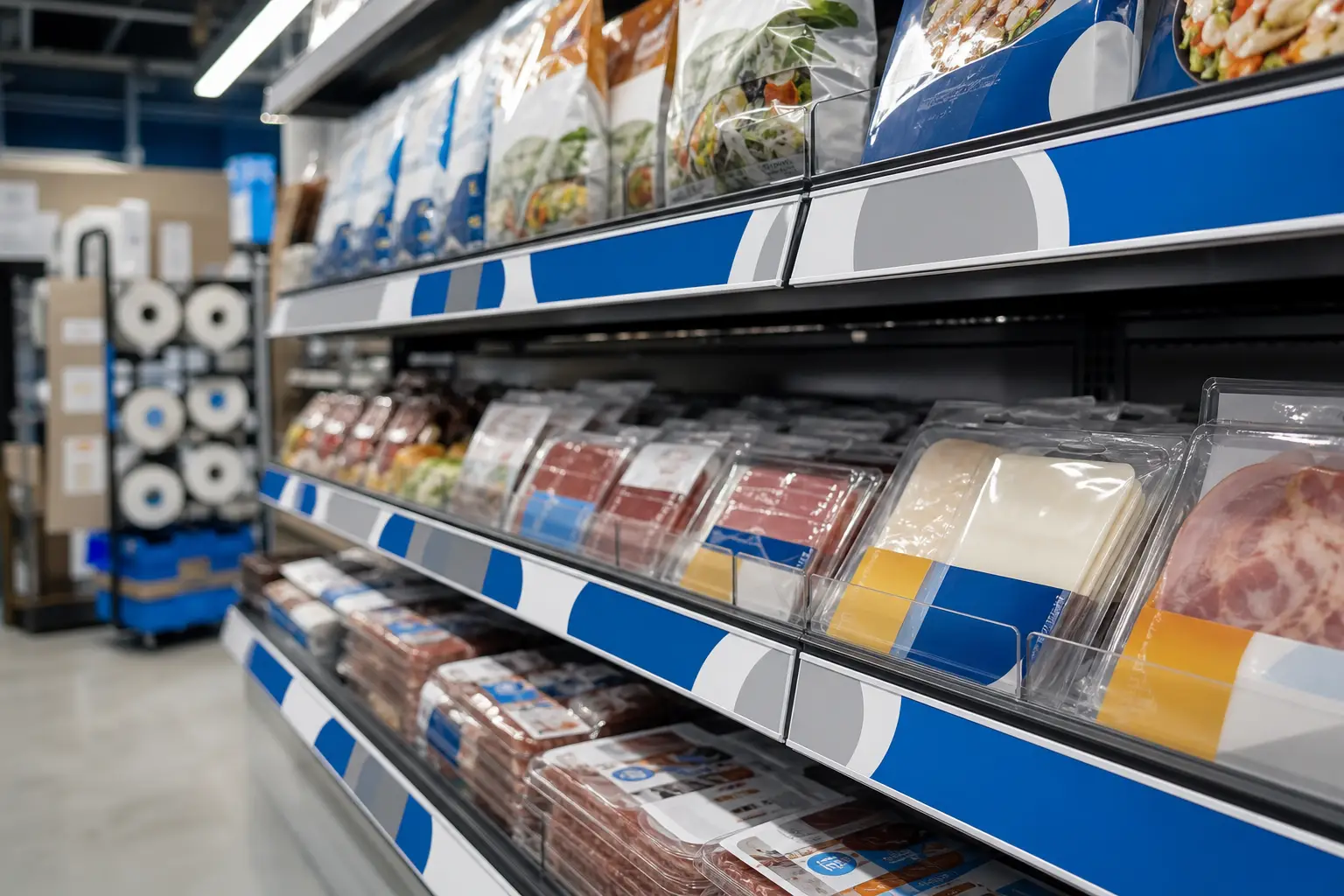
BOPP labels are frequently considered for packaged products that encounter moisture, refrigeration, handling, or frequent movement through distribution. Their film construction can help maintain a clean presentation when a package is exposed to condensation or wiped during stocking.
Refrigerated and moisture-prone packaging
Cold environments add several variables at once. Packaging may be labeled before it is chilled, after it is chilled, or while moisture is already present. Condensation can form as products move between temperature zones. In each case, the adhesive must be matched to the application surface and conditions.
For refrigerated and freezer-oriented projects, review the intended temperature range, application temperature, exposure to condensation, package substrate, and expected handling. A material discussion should include more than “waterproof” or “cold-proof.” Cold storage and freezer label planning requires the complete label construction to be evaluated.
Packages that need a durable retail appearance
Film labels can suit products that need to remain visually consistent through packing, shipping, shelf stocking, and customer handling. Scuff resistance, clear or white film options, and protective finishes may be part of the specification when a package will receive substantial contact.
Durability does not remove the need for proofing. Ink coverage, fine type, barcodes, variable data, coatings, and label edges should be reviewed in relation to the package and its actual operating conditions.
High-volume roll-label applications
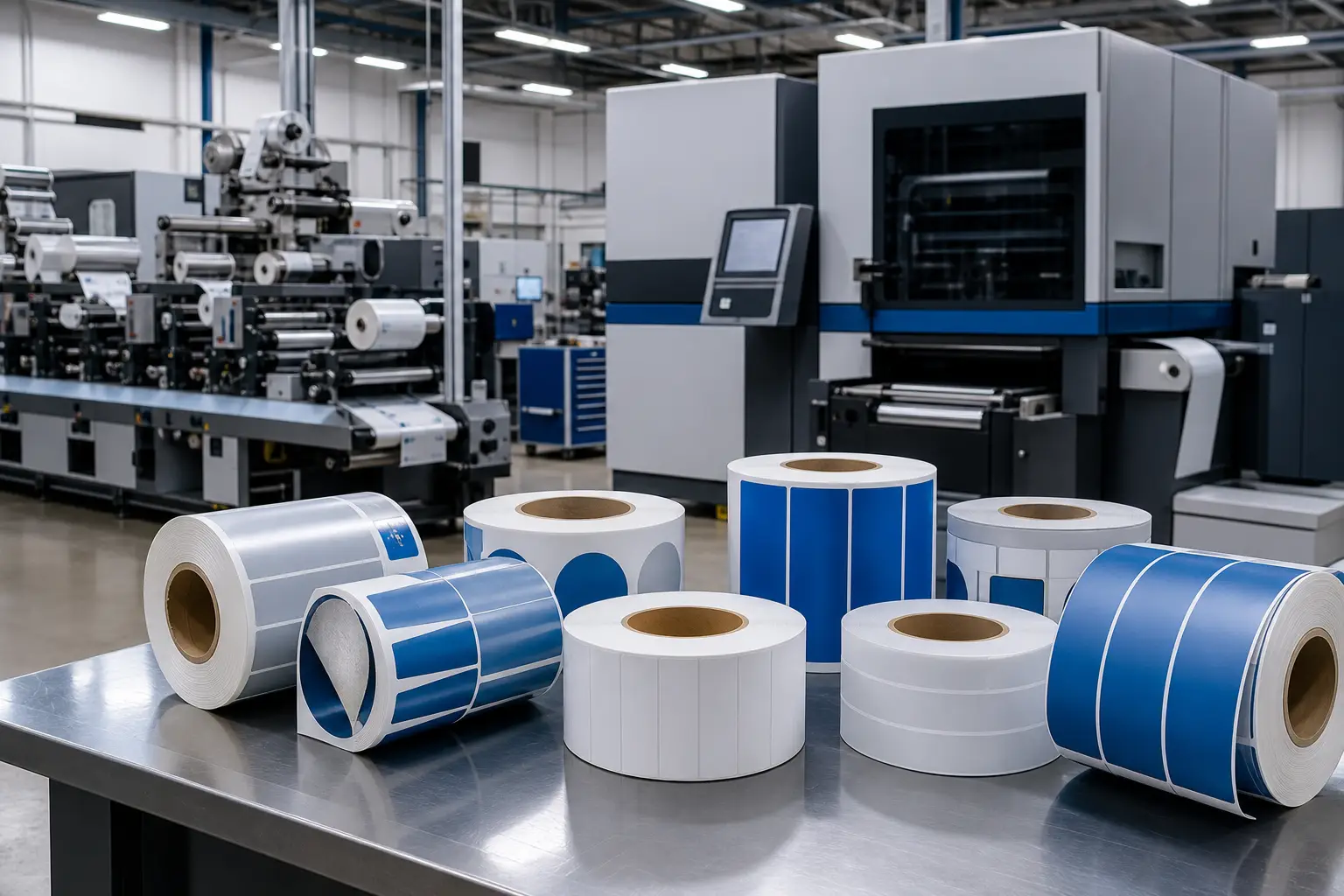
When labels are applied on equipment, the roll format and converting specifications matter alongside the face stock. Label dimensions, unwind direction, core size, gap, liner, and application speed can affect application consistency. BOPP may be one option within a broader automated-labeling specification.
Organizations running repeated or high-volume programs should define these requirements early with their label supplier and application team. Learn more about roll labels for high-volume production when application efficiency and repeatability are part of the project.
When Paper Labels May Be the Better Choice
Paper labels remain useful for many packaged products. In a dry environment, they can deliver an established paper feel and a print presentation that aligns with certain brand or product concepts. They may also be appropriate where the label has a limited service life and will not face extended moisture or abrasion.
Dry, controlled product environments
Paper is often worth considering when products remain dry during labeling, distribution, merchandising, and use. Examples may include shelf-stable packaged goods, cartons, bags, or other containers that are not expected to accumulate condensation. The package surface and the required adhesive bond still need review.
A desired paper texture or finish
Material selection also influences how a label feels and presents in the hand. A paper face stock may support a visual direction that calls for a more traditional or tactile appearance. Finishes and coatings can further change the look and handling characteristics of the label.
That visual preference should be balanced against operating reality. If a product moves from a dry warehouse into a refrigerated display, moisture exposure may outweigh the initial appearance preference.
Adhesive Selection Is as Important as Face Stock
A BOPP face stock with the wrong adhesive can fail. A paper label with an unsuitable adhesive can also lift, curl, or lose bond. Adhesion depends on several interacting factors:
- Application temperature: The temperature of the label and package when the label is applied.
- Service temperature: The temperatures the labeled product will experience after application.
- Surface material: Film, plastic, glass, corrugate, coated board, and other substrates can behave differently.
- Surface condition: Dryness, condensation, frost, oils, dust, texture, and curvature can affect bonding.
- Label size and shape: Large labels, tight radii, corners, and container seams create additional stress points.
- Time before handling: The needed bond may develop differently depending on the adhesive and process.
For products with demanding conditions, describe the process in sequence: when the package is filled, when it is labeled, when it is chilled or frozen, how it is packed, and how it is displayed. That production detail helps identify the material construction worth testing.
Evaluate Print, Finish, and Package Together
Label performance is not limited to whether it stays attached. The printed image must remain suitable for the product’s use. Dark solids, small reverse type, barcodes, variable information, and brand colors each require production attention. Protective coatings or laminations may be considered when surface scuffing or repeated handling is a concern.
Package design adds another layer. A label placed over a seam, a sharply curved container, or a textured surface may need different dimensions or placement. For product programs that combine labels with cards, sleeves, inserts, or other printed elements, coordinating the components helps protect color consistency and version control. Explore printed packaging components when labels are part of a larger package system.
A Material-Selection Checklist for Label Buyers
Before requesting pricing or production samples, prepare a clear specification. The following questions can help move the conversation beyond a simple BOPP-versus-paper choice:
- What product and package surface will receive the label?
- Will the package be dry, cold, wet, frozen, or exposed to temperature changes?
- At what temperature will labels be applied?
- Will condensation, moisture, abrasion, or cleaning affect the label?
- How long must the label remain readable and attached?
- Will labels be hand-applied or applied with equipment?
- What information, colors, finishes, and variable elements must print reliably?
- What quantities, versions, and delivery locations are required?
Samples and real-world testing can be valuable when the environment is demanding. Testing should reflect the actual package, adhesive process, handling sequence, and storage conditions whenever possible.
Choose the Label System, Not Just the Material
BOPP may be the practical starting point for many refrigerated, moisture-prone, and frequently handled products. Paper may be a sound choice for dry applications or projects where its appearance supports the packaging objective. The best answer depends on the full label system: face stock, adhesive, finish, package, artwork, application method, and environment.
Print Group Inc. supports label and packaging print production for organizations that need repeatable materials across product lines, locations, and distribution channels. For help reviewing material options, production requirements, and quantities, request a customized quote with details about your package, storage conditions, and label application process.