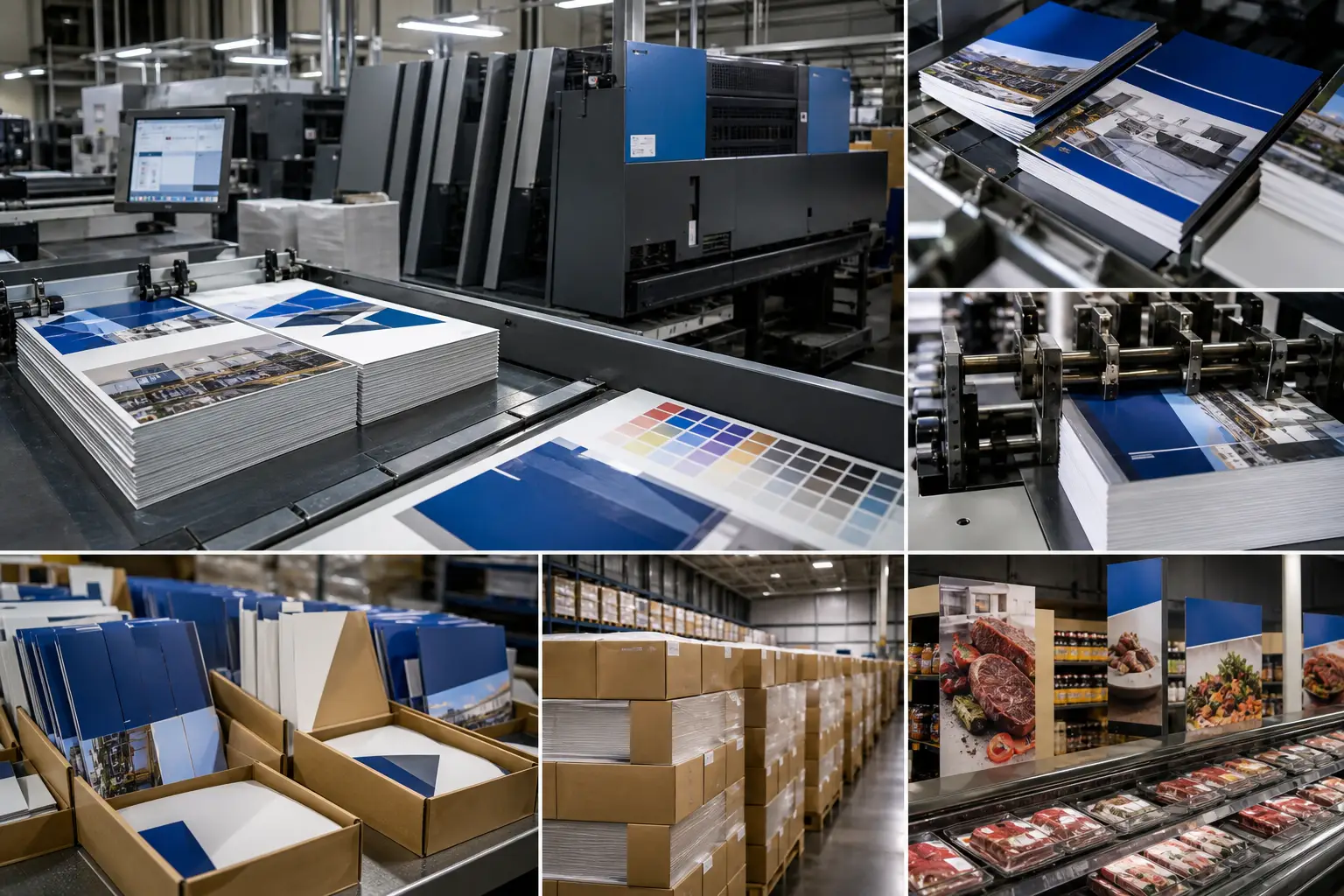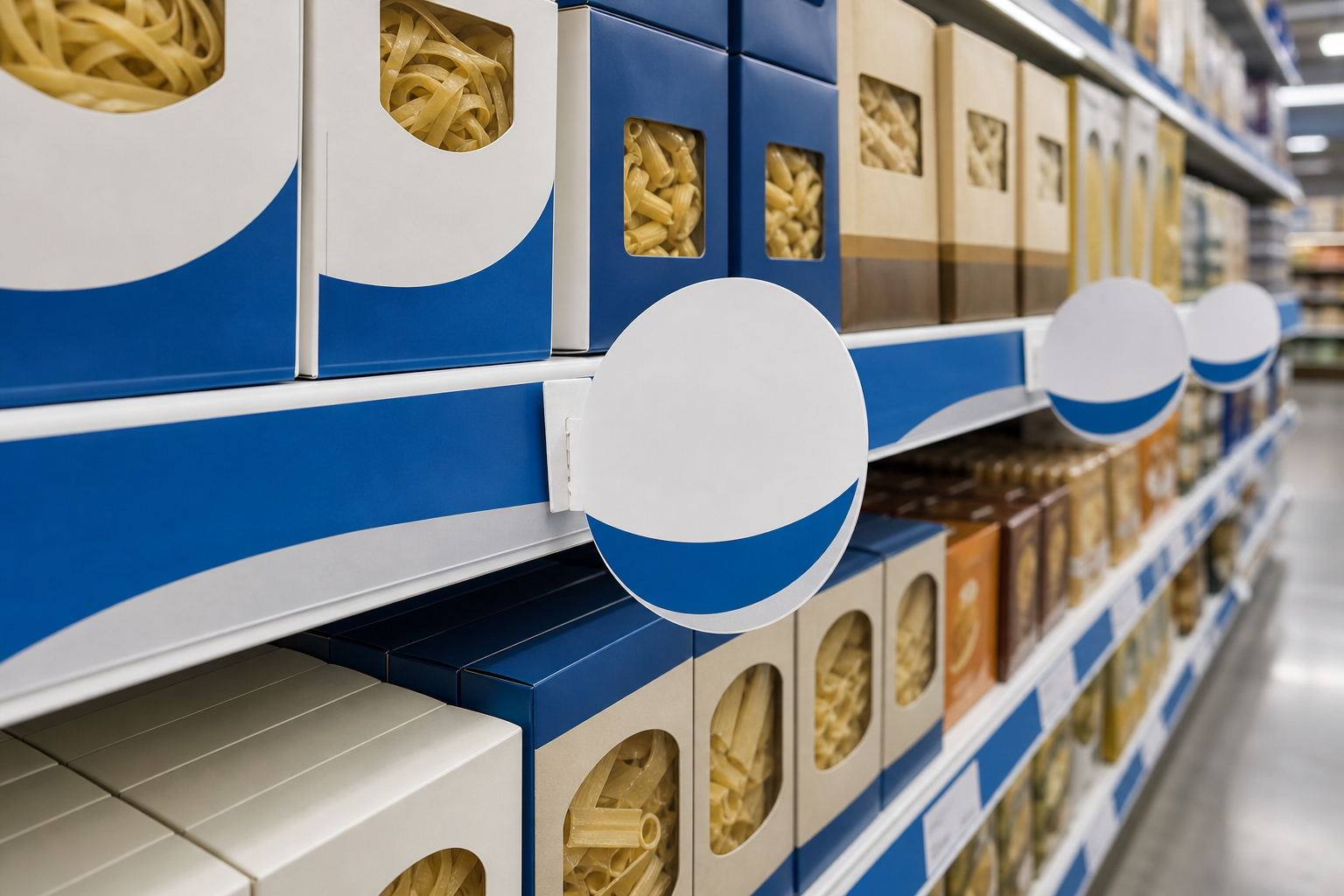
Choosing between flexographic and digital production is one of the most important decisions in a label program. The right method depends on run length, number of versions, artwork stability, material requirements, finishing, and how the label will be applied. For label and packaging printing, there is no universal winner. A production method should fit the operational requirements of the program.
Flexographic printing is generally suited to repeatable, high-volume label programs. Digital printing offers flexibility for shorter runs, changing artwork, and versioned production. Many organizations use both methods across their product lines, selecting each one based on the needs of a specific SKU, promotion, market, or replenishment cycle.
Flexographic vs. digital label printing at a glance
| Production consideration | Flexographic printing | Digital printing |
|---|---|---|
| Best fit | High-volume, repeatable label programs | Short runs, multiple versions, and changing artwork |
| Setup | Requires production setup, including printing plates | Uses digital files without conventional printing plates |
| Unit economics | Often becomes more efficient as volume grows | Can be practical when quantities are lower or versions increase |
| Artwork changes | Most effective when artwork remains stable over longer runs | Supports updates between runs and version-to-version changes |
| Variable information | Best for repeated label designs | Can support variable-data applications when required |
| Workflow focus | Repeatability, scale, and planned replenishment | Flexibility, version control, and controlled quantities |
The comparison is useful, but it is only a starting point. Label construction, adhesives, press capabilities, finishing requirements, and application equipment can change the production recommendation.
When flexographic label printing is the stronger choice
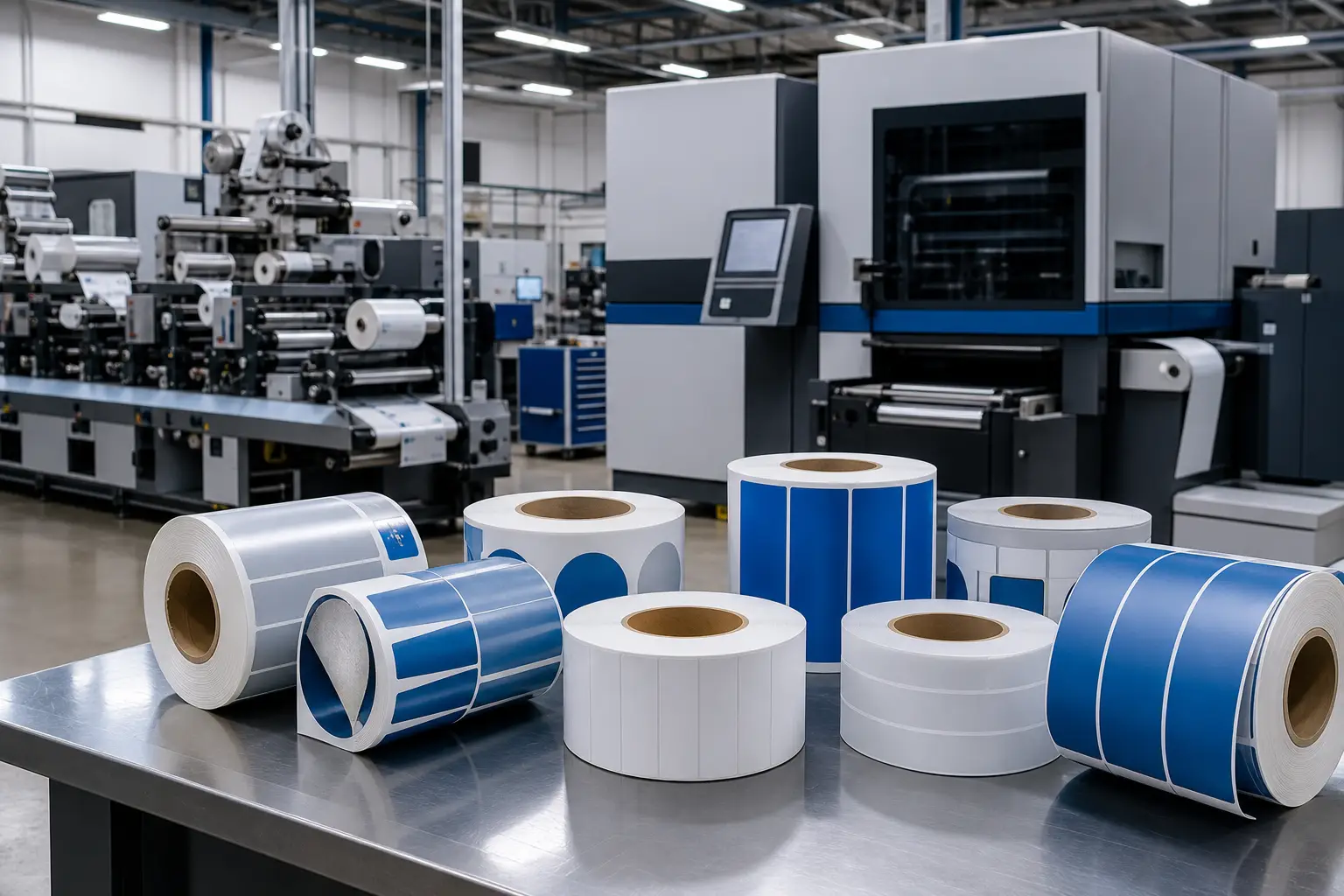
Flexographic printing uses flexible printing plates and is designed for continuous roll production. It is a strong fit for programs that need the same label produced consistently across substantial quantities or recurring orders.
A grocery private-label item, a food-processing product line, or an industrial identification label may have stable artwork and predictable demand. In that situation, the setup required for flexo can be justified by the scale and repeatability of the program. Learn more about flexographic label printing for high-volume production.
Choose flexo when your program has these characteristics
- Long or recurring runs of the same label design
- Forecastable demand across a product line or distribution network
- Consistent brand colors that require controlled repeatability
- Roll labels for automated or high-speed application
- Planned replenishment rather than frequent, small revisions
- A need to coordinate printing and finishing in a repeatable workflow
Flexo planning should begin before the press run. Production teams need final, production-ready artwork, clear color expectations, roll direction, core requirements, unwind orientation, label size, and finishing specifications. If the labels will run through an applicator, the team should also confirm the equipment requirements early. These details can affect throughput and application performance.
When digital label printing is the stronger choice
Digital production is valuable when a label program needs adaptability. It can reduce the commitment associated with conventional plate-based setup and makes it easier to manage smaller quantities, artwork revisions, and multiple versions.
For example, a retailer may need several regional promotions with different product messages. A manufacturer may be launching a limited product line. A distributor may need controlled quantities for a trial or a change in operational information. Digital production gives buyers a practical way to produce those variations without treating every version as a large, long-run program.
Digital printing can also support labels with changing fields, serial information, or other variable data when the program calls for it. Print Group Inc. offers digital and variable-data printing for programs that require personalization or controlled content variation.
Choose digital when your program has these characteristics
- Lower quantities or uncertain initial demand
- Frequent artwork changes, promotions, or seasonal versions
- Multiple SKUs that share a common design structure
- Regional, store-specific, or market-specific label versions
- Product introductions, pilot programs, or limited releases
- Variable information that must change from label to label
Digital production is not simply “short-run flexo.” It has a different role in the workflow. It allows a label program to respond to changing content and smaller demand patterns while keeping production organized.
Material performance and application conditions come first
Print method is only one part of the decision. A label must also perform on the product, in the environment, and through the handling process. The correct face material, adhesive, liner, and finish depend on the actual use case.
Start with questions such as these:
- What surface will receive the label: glass, plastic, corrugate, metal, film, or another substrate?
- Will the label be applied by hand or by automated equipment?
- Will it face moisture, refrigeration, freezing, abrasion, oils, or repeated handling?
- Does it need to scan reliably or remain legible over time?
- What roll configuration does the applicator require?
- Will labels be applied before or after cold storage, filling, or packaging?
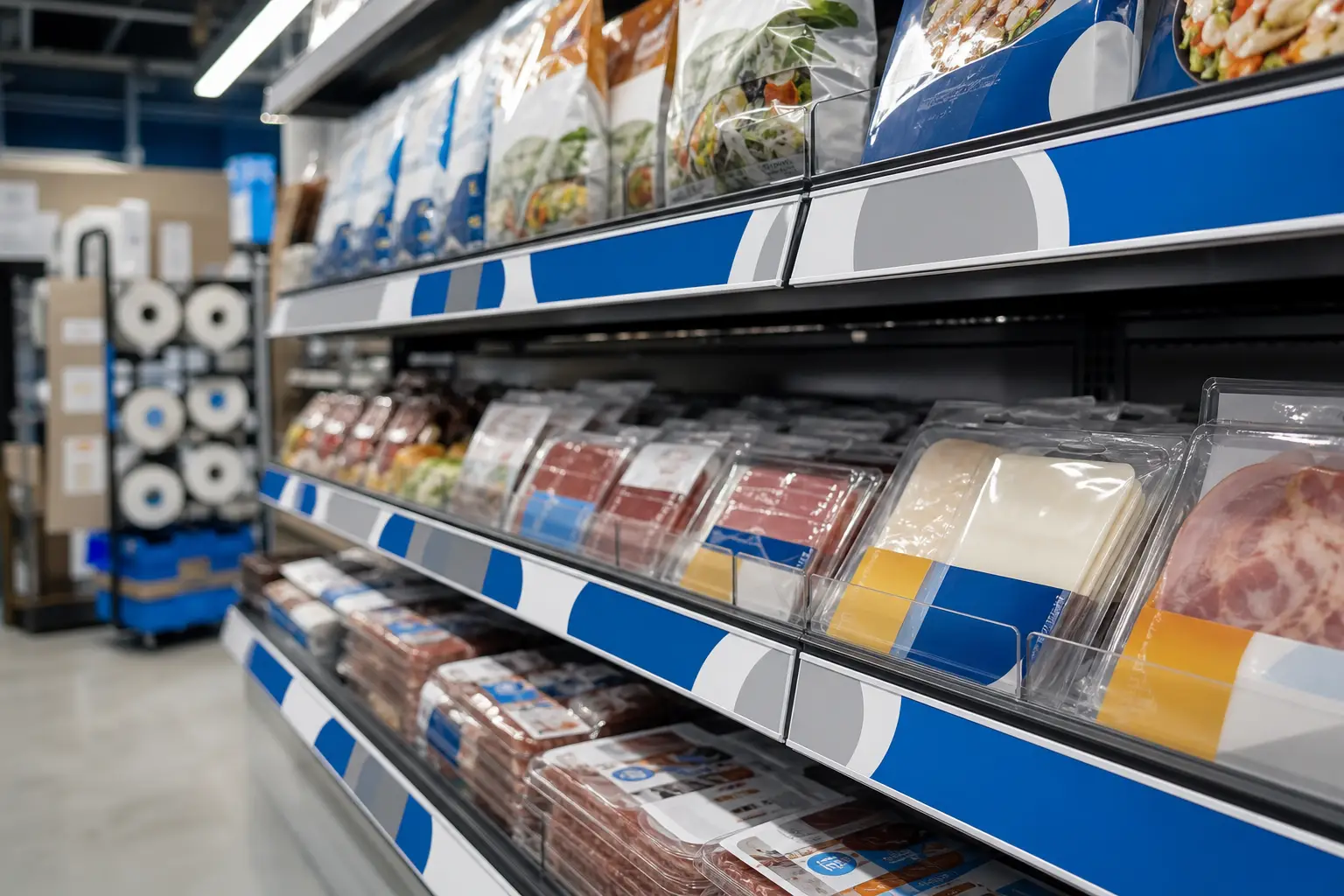
These questions matter in every label and packaging printing program. A visually strong label still creates operational problems if it curls, lifts, fails to feed, or does not match the application process. Cold-chain programs, for example, require careful planning around exposure conditions and adhesive performance. Review considerations for cold storage and freezer labels when labels will be used in refrigerated, frozen, or moisture-exposed environments.
Compare total production needs, not just the initial print price
Unit price alone does not establish the right method. A lower unit cost at high volume can create avoidable inventory if label content changes before the rolls are used. Conversely, frequent small digital runs may add cost when demand is stable and volumes are consistently high.
Evaluate the complete program:
- Demand: How many labels are needed now, and how predictable is future usage?
- Version count: How many SKUs, regions, promotions, or language versions exist?
- Obsolescence risk: Could pricing, messaging, product details, or artwork change?
- Application: What roll format and label construction does the equipment require?
- Storage: Can the organization hold inventory of finished label rolls?
- Distribution: Do labels need to be allocated by plant, warehouse, co-packer, or store location?
For high-volume applications, properly specified roll labels can support an efficient application workflow. The production plan should align the roll format, material construction, print method, and finishing requirements before the full run begins.
A practical selection process for label and packaging printing
A disciplined decision process reduces rework and helps protect continuity across recurring orders. Start by grouping labels according to volume, frequency of change, and application environment. A company may find that its core product labels belong in flexo, while seasonal, localized, or test-market labels are better suited to digital production.
- Define the product surface, use environment, and application method.
- Document label dimensions, roll direction, core size, and finishing needs.
- Separate stable, high-volume SKUs from variable or lower-volume versions.
- Provide final artwork and identify required brand-color controls.
- Review material and adhesive options for the actual conditions of use.
- Confirm production quantities, replenishment timing, inventory, and delivery points.
Before committing to a major program, it is prudent to review samples or conduct application testing in the intended environment. This step helps identify issues related to adhesion, dispensing, roll handling, color expectations, and finishing before they affect a broader rollout.
Choose a production partner that can plan beyond the press run
The strongest label decision connects print production with the full operating workflow. That includes prepress, color management, material selection, roll finishing, inventory planning, and distribution. Organizations with multi-location programs should also consider how labels will be packaged, allocated, and delivered to the correct facilities.
Print Group Inc. supports nationwide commercial printing, labels and packaging, finishing, fulfillment, and distribution. For a new or evolving label program, begin with the production facts: quantity, versions, materials, application equipment, environment, and replenishment schedule. Those details provide the basis for selecting flexographic or digital production with confidence.