Printing a product catalog for a versioned product line requires more than selecting paper and a binding style. The program must control product information, prices, regional content, pagination, color, inventory, and delivery by location. A sound production plan turns one core catalog into an organized set of versions without creating unnecessary files, overruns, or distribution errors.
For manufacturers, distributors, retailers, and multi-location organizations, the best approach is to define the catalog architecture before artwork reaches prepress. That means identifying what remains consistent, what changes by audience or market, and how each finished catalog will move from production to the right recipient or location.
Build a catalog structure before creating versions
Start with a master catalog plan. The master establishes shared elements such as brand standards, product photography, core categories, introductory pages, page size, paper specifications, and binding. It also identifies the fields that may vary.
Common catalog variables include:
- Product assortments by region, customer segment, or store format
- Pricing, promotions, or availability by market
- Sales contacts, branch information, or ordering instructions
- Language, department, or industry-specific content
- Store or territory-specific covers, inserts, and mailing information
This planning step prevents an avoidable problem: treating every version as a fully independent catalog. When the majority of pages are shared, a controlled versioning strategy can reduce duplicate work while preserving the differences that matter. Versioned campaign printing is designed for coordinated programs that require variations across audiences, regions, departments, or product lines.
Choose the right level of variation
Not every difference needs a separate full catalog. A program may use a common interior with versioned covers, a regional price section, a targeted insert, or a different order form. Conversely, catalogs with substantially different page counts, assortments, or product categories may require separate versions from the start.
Use a version matrix to document each edition. List the version name, audience, quantity, page count, variable pages, cover treatment, insert requirements, and delivery destination. Give every version a clear internal identifier. This record helps marketing, sales, procurement, and production teams review the same information.
Control product data, artwork, and approvals
Catalog production becomes difficult when product data changes late or arrives from several sources. Establish a content cutoff date and assign responsibility for product names, descriptions, SKUs, images, pricing, and ordering details. The catalog team should reconcile the approved data with the final page layout before printing begins.
File naming also matters. Names should show the catalog edition, version, revision date, and status. For example, separate working files from approved production-ready artwork. A clear approval path reduces the chance that an earlier price page or discontinued product image enters the print run.
Prepress review should confirm page dimensions, bleeds, image resolution, fonts, color builds, and page sequencing. It should also check version-specific pages against the version matrix. For a catalog with multiple language, market, or product-line editions, this review is one of the most important controls in the process.
Match the print method to quantity and version complexity
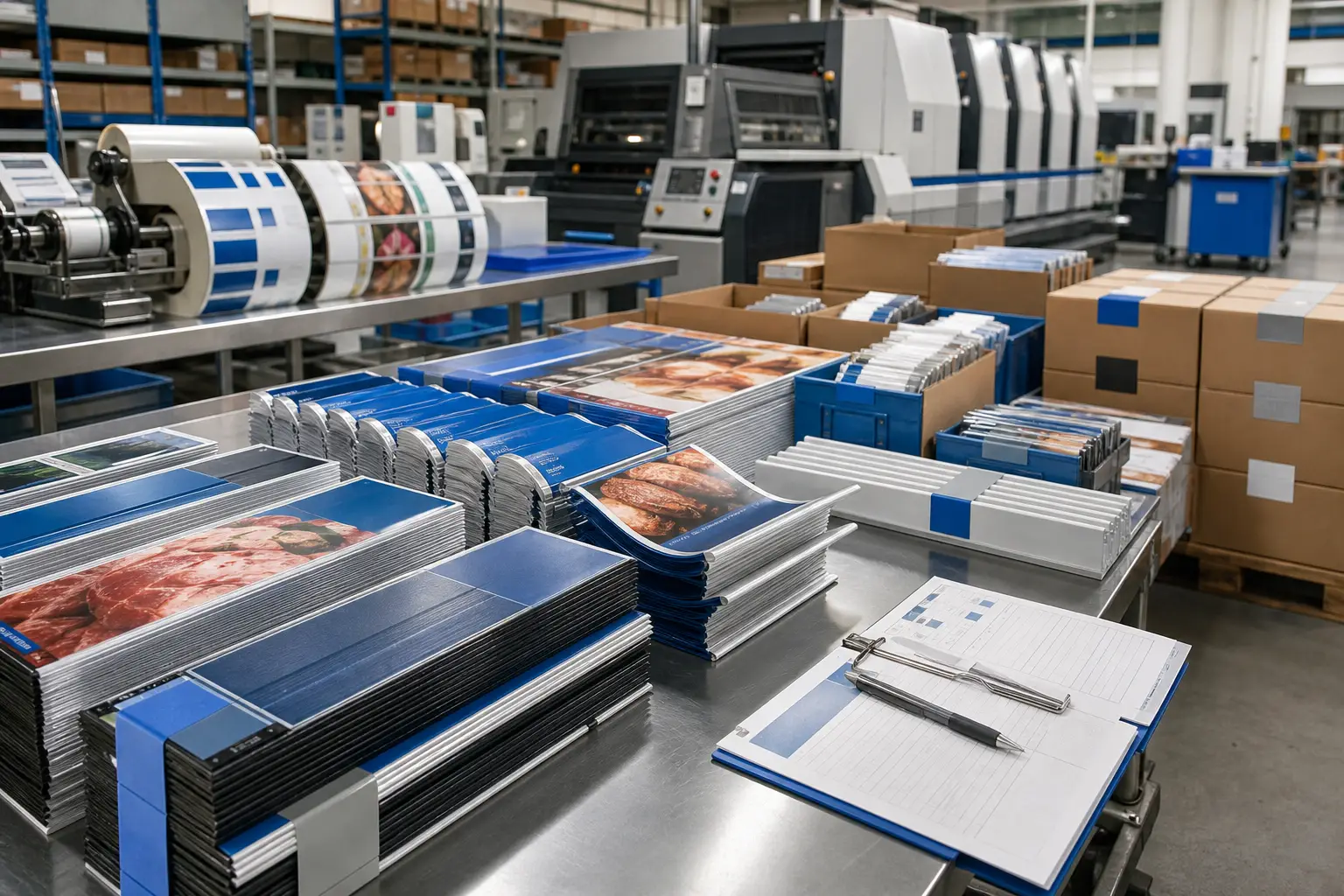
The right production method depends on run length, number of versions, timing, paper requirements, and the amount of variable content. Large quantities of stable catalog pages may suit sheet-fed offset printing, which supports repeatability and consistent color across long runs. Smaller quantities or versions with frequent content changes may be better suited to digital production.
Many complex programs use both methods. For example, a shared high-volume catalog section may run as an offset project, while a smaller market-specific section, personalized cover, or short-run update is produced digitally. The goal is not to force every component through one process. The goal is to produce each component efficiently while keeping the finished catalog consistent.
Review the practical differences between sheet-fed offset and digital printing for high-volume programs when deciding how to handle shared pages and lower-volume versions.
Plan for color consistency across versions
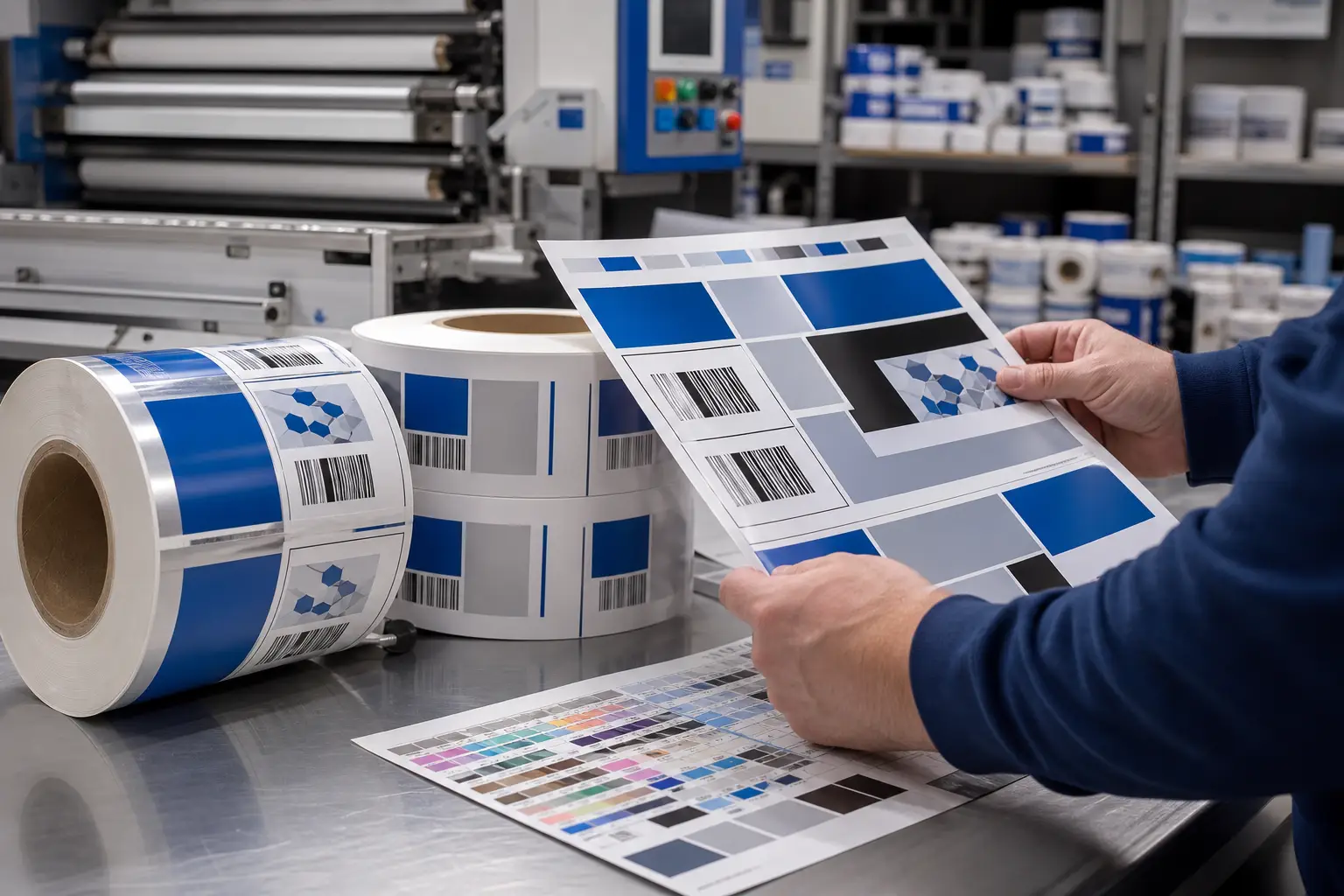
Product catalogs often carry brand colors, product photography, and color-coded categories that must remain recognizable throughout the program. Use approved brand standards and establish how color will be evaluated before production. Paper selection also affects the appearance of images and color, so it should be decided early rather than after proofs are reviewed.
Keep recurring product images and graphics under consistent color management. When multiple versions use the same imagery, shared approved assets help create a more uniform result. Any version-specific changes should be isolated and clearly identified for review.
Select paper, binding, and finishing for real use
A catalog must work in the environment where recipients use it. A sales catalog may need a premium presentation and durable cover. A warehouse reference catalog may need a practical format that opens easily and withstands repeated handling. A product guide mailed to prospects may need to balance postal considerations with image reproduction and page count.
Binding should follow the catalog’s thickness, trim size, expected use, and distribution method. Saddle stitching can suit lower page counts, while perfect binding may fit thicker catalogs. Other binding options may be appropriate for specialized reference materials. Discuss the finished purpose with the production team before finalizing page count, because binding and paper choices affect the spine, mailing format, and overall durability.
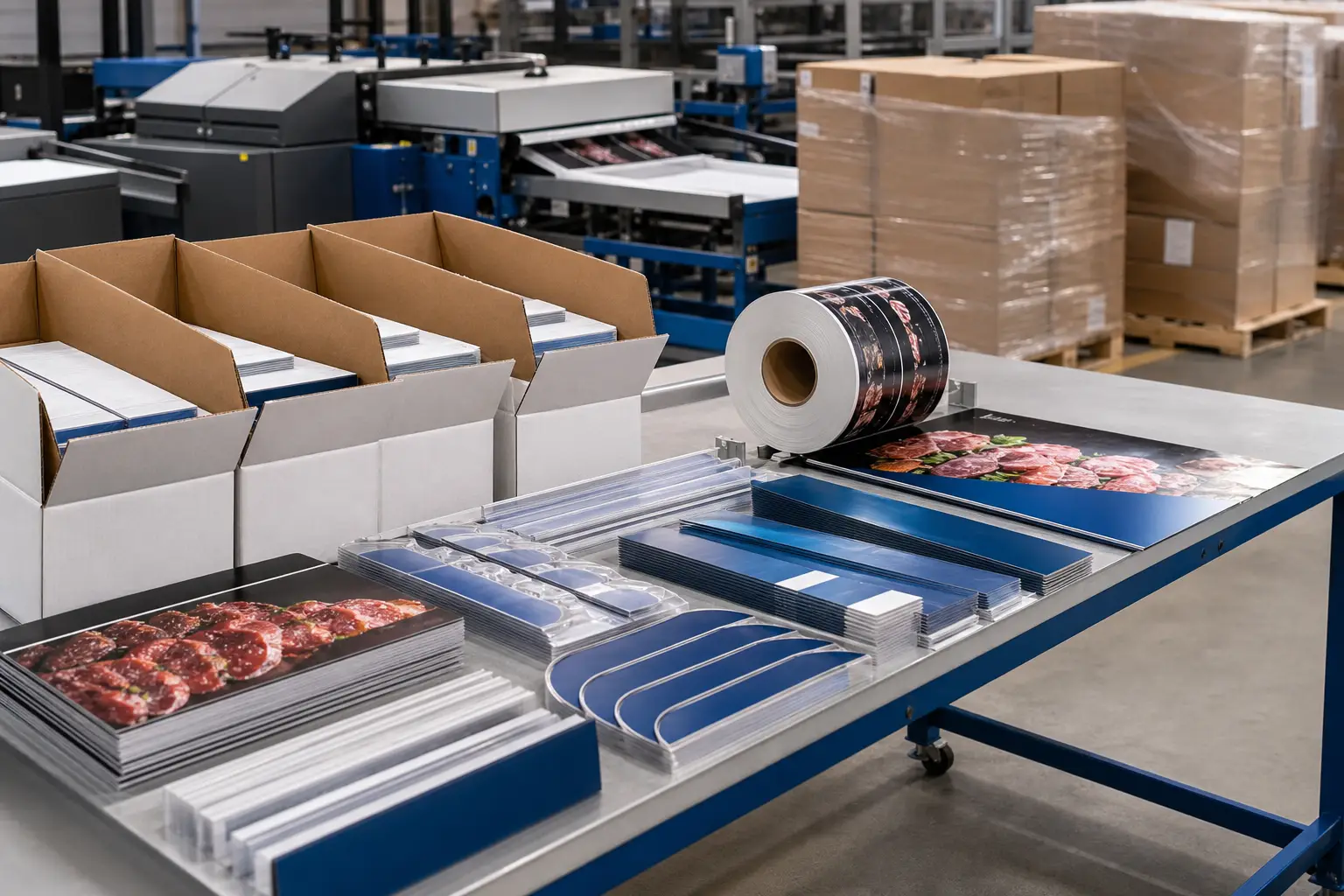
In-house bindery and finishing allow the catalog, inserts, tabs, packaging, and related components to be coordinated as one production program rather than separate handoffs.
Plan multi-location distribution as part of production
Printing is only one stage of a multi-location catalog program. Distribution planning should begin while quantities and versions are still being finalized. Each destination needs an accurate shipment record that identifies the catalog version, number of copies, kit components, shipping contact, and requested arrival window.
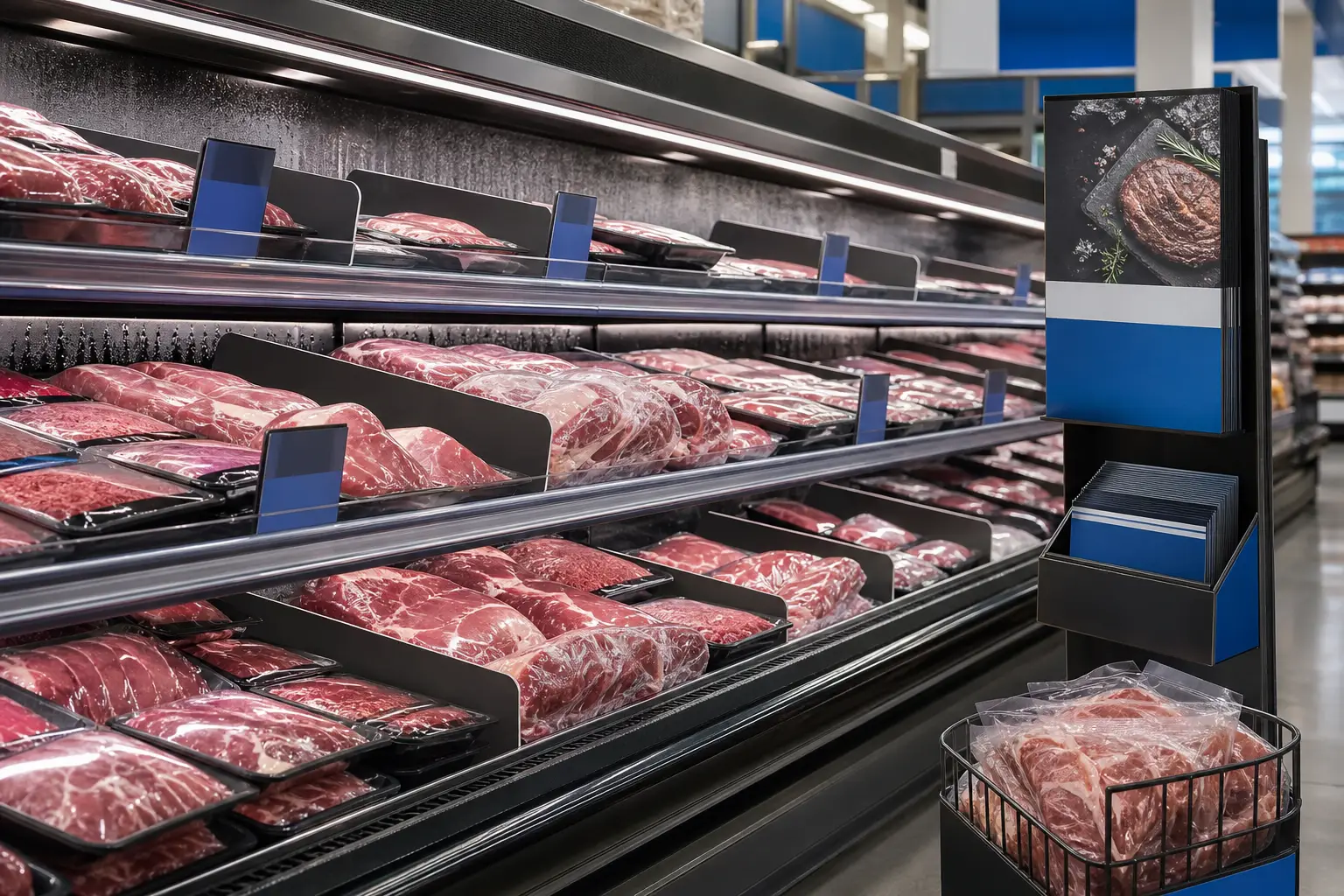
For retail, distribution, and field teams, catalogs may ship as store kits alongside signage, shelf materials, forms, labels, or promotional pieces. Kitting keeps related materials together and can simplify receiving at each destination. Print Group Inc. provides kitting and distribution services for organized multi-location packaging and national shipping.
Use a distribution list that is maintained by the people closest to the locations. Confirm store openings, closures, address changes, dock instructions, and contact names before the shipping schedule is released. A catalog that arrives at the wrong branch or arrives without its related materials can disrupt an otherwise well-produced program.
Keep inventory available for replenishment
Some programs benefit from producing a planned quantity for immediate distribution and holding a controlled inventory for later requests. This can support new locations, sales representatives, replacement needs, and event use without restarting the entire project. Inventory decisions should account for version life, product-change frequency, storage needs, and expected replenishment demand.
When products or prices change frequently, shorter runs and planned refresh cycles may reduce exposure to outdated materials. The appropriate approach depends on how quickly content changes and how long each catalog version needs to remain in use.
A practical checklist for printing product catalogs
- Define the master catalog and every version before layout is finalized.
- Create a version matrix with quantities, page counts, variable content, and destinations.
- Set a controlled process for product data, images, pricing, and approvals.
- Select offset, digital, or combined production based on run length and version requirements.
- Review paper, binding, finishing, and packaging against real-world use.
- Confirm final artwork and version-specific pages during prepress.
- Build the store, branch, customer, or warehouse distribution list before production ends.
- Plan kits, inventory, and replenishment needs alongside the initial shipment.
Print Group Inc. supports catalog programs that require coordinated commercial print production, version control, finishing, fulfillment, and nationwide distribution. For a catalog program involving multiple product lines or delivery points, contact Print Group Inc. to discuss production requirements, version planning, and distribution needs.