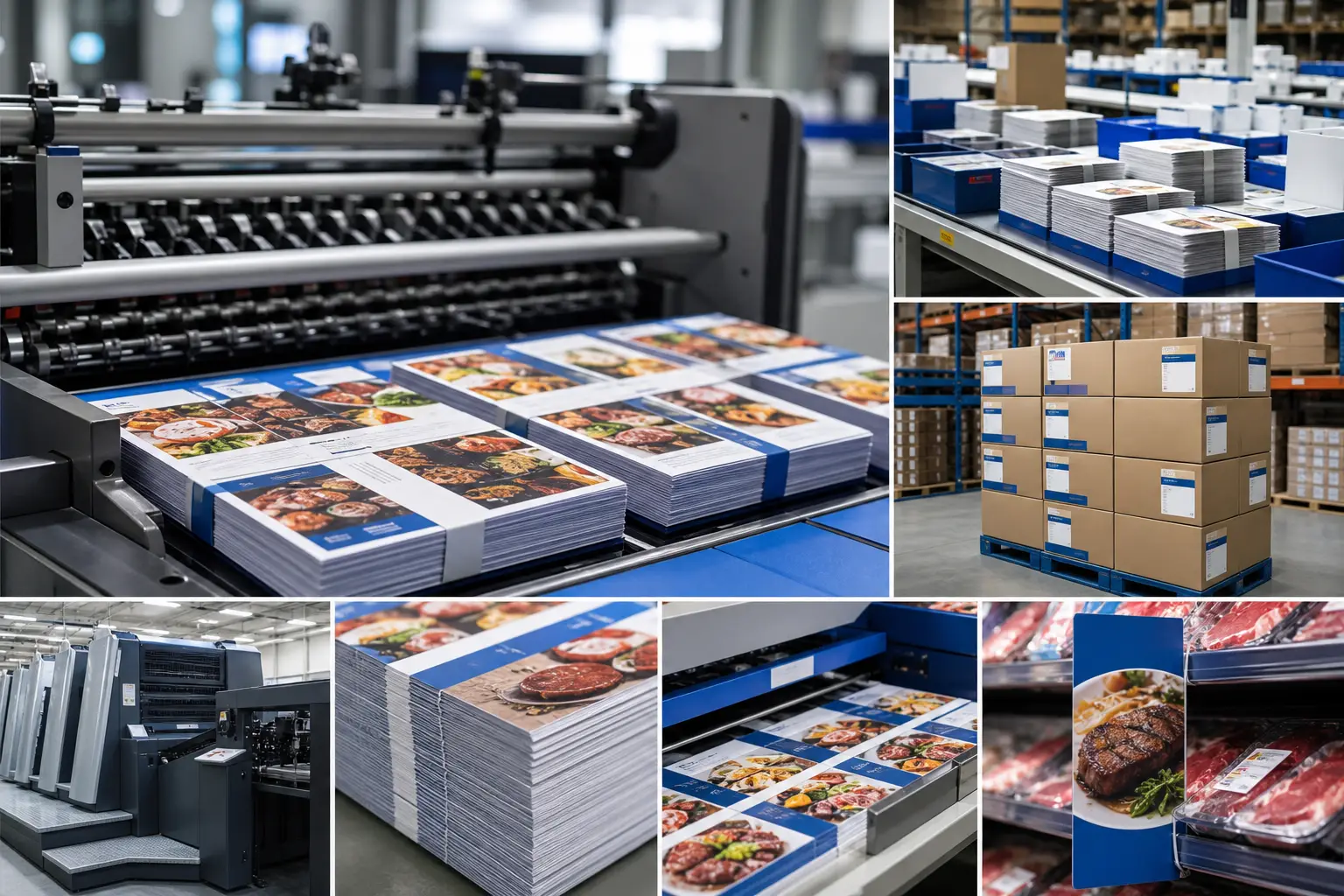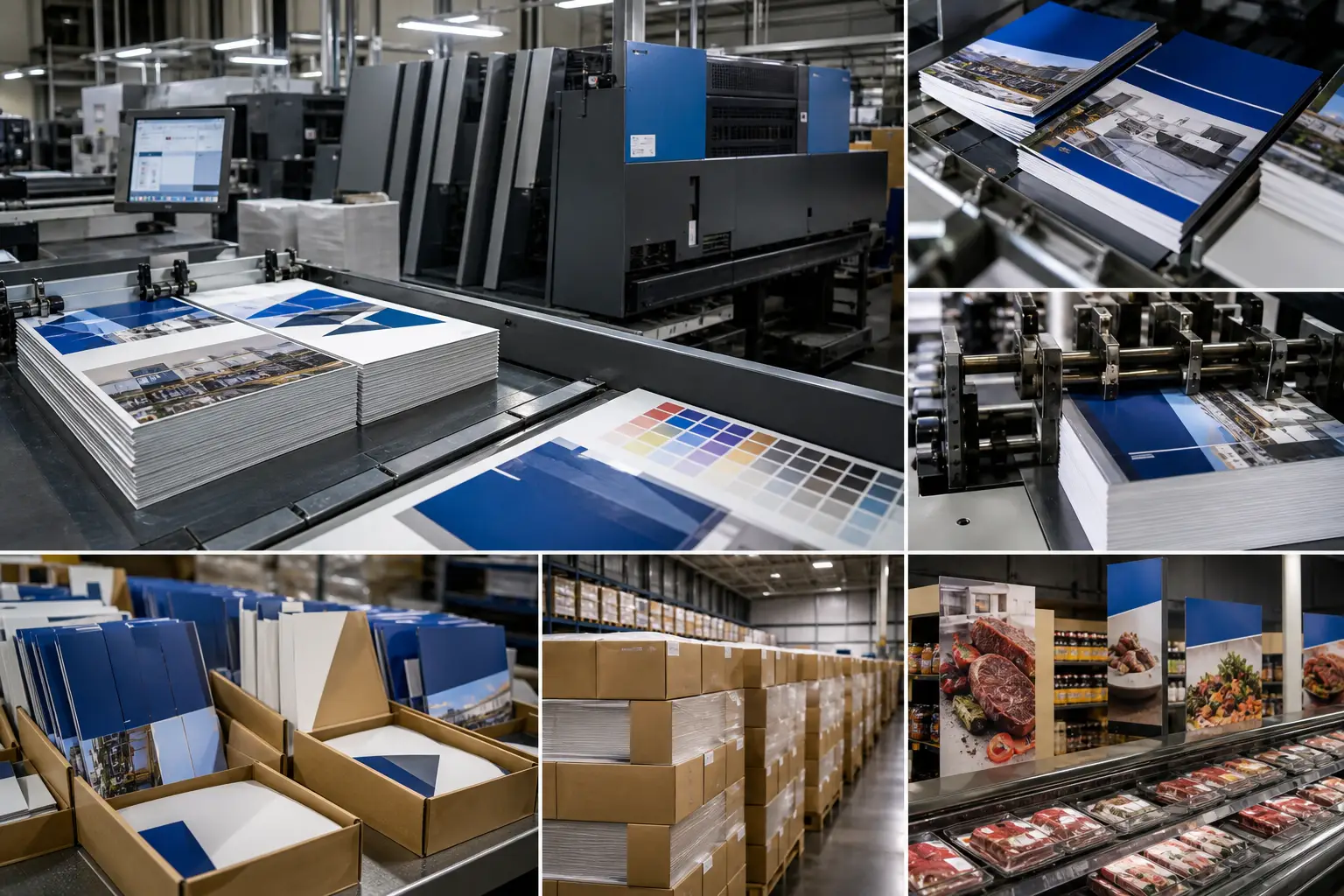
Personalized direct mail gives organizations a practical way to deliver relevant offers, messages, and materials to specific audiences while keeping a larger campaign under control. For multi-location programs, success depends on more than variable names or addresses. The data, creative versions, print specifications, mailing preparation, and fulfillment plan must work as one coordinated production system.
A retailer may need different promotions by market. A university may need distinct messages for prospective students, alumni, and donors. A manufacturer may need targeted communications for distributors across several territories. In each case, disciplined planning reduces the risk of sending the wrong version, quantity, or component to the wrong recipient or location.
Start personalized direct mail with the campaign structure
Before artwork moves into production, define what varies and what remains constant. This creates a clear framework for data preparation, version control, and proofing.
- Audience segments: Identify the recipient groups that need different messaging, offers, languages, product selections, or calls to action.
- Location logic: Determine whether stores, branches, campuses, territories, or fulfillment destinations require unique versions or quantities.
- Campaign components: List every printed piece, insert, reply device, envelope, and kit component.
- Distribution method: Separate mail-to-recipient pieces from materials that must be shipped to locations for local use.
- Schedule: Establish milestones for data delivery, artwork approval, proofing, production, mailing preparation, and distribution.
A campaign matrix is often useful at this stage. It can show each audience or location alongside its version, quantity, component set, and delivery path. That single reference document helps marketing, operations, and print production teams work from the same plan.
Prepare data for variable-data printing
Variable-data printing connects approved recipient information to the appropriate printed version. The data file should be treated as a production input, not an afterthought.
Build a defined field list before finalizing creative. Common fields include name, mailing address, location name, market, offer code, account representative, landing-page URL, and personalized message. Every field needs a clear format and a defined fallback when information is missing.
Use rules that prevent incomplete or mismatched pieces
For example, a greeting field may require a general alternative when no first name is available. A market field may determine the featured offer, nearby location, or versioned imagery. An offer code may need to appear in both the mailer and a response-tracking system.
Ask these questions before production:
- Which fields will change on each piece?
- Which data values determine each creative version?
- What should appear when a field is blank or invalid?
- Who owns final data approval?
- How will the team verify that each record receives the intended version?
Organizations that need variable text, images, codes, or location details can coordinate those requirements through digital and variable-data printing. The objective is repeatable production: approved data should reliably generate the correct printed output at campaign scale.
Plan creative versions without creating production confusion
Personalization is not always one-to-one. Many programs combine individual recipient details with broader regional, product, department, or location versions. This approach can make a campaign more relevant while keeping the creative system manageable.
Build a master creative template with clearly marked variable zones. Keep fixed brand elements, legal copy supplied by the client, product imagery, and structural elements consistent unless a version requires a deliberate change. Then name each approved version in a way that connects it to the campaign matrix and data rules.
Version naming should be simple and unambiguous. A label such as “Spring_RetailerA_Midwest_Offer2” is more useful in production than “final-new-revised.” The file name should help a team identify the audience, market, and offer without opening the artwork.
For campaigns that require coordinated regional or audience variations, versioned campaign printing provides a useful model: one campaign framework, multiple controlled versions, and a structured production cycle.
Specify the printed piece and finishing early
Format affects both the recipient experience and the production workflow. Decide on the size, stock, fold, envelope, coating, and finishing requirements early enough to evaluate how variable elements will appear after trimming, folding, inserting, or addressing.
Consider whether the piece needs to carry an offer, a response mechanism, an appointment reminder, or a detailed product message. A postcard, self-mailer, letter package, and multi-piece kit each create different space, sequencing, and assembly requirements.
Production-ready artwork should account for trim, folds, safe areas, image resolution, and the placement of changing fields. If an address block, barcode, or personalized image shifts from record to record, its designated area must accommodate the full range of expected content. Testing the longest names, addresses, and messages can reveal layout problems before the full run begins.
Coordinate mailing and fulfillment as separate but connected workflows
Mailing delivers personalized pieces to individual recipients. Fulfillment distributes physical materials to stores, branches, sales teams, campuses, or event locations. Multi-location campaigns often need both.
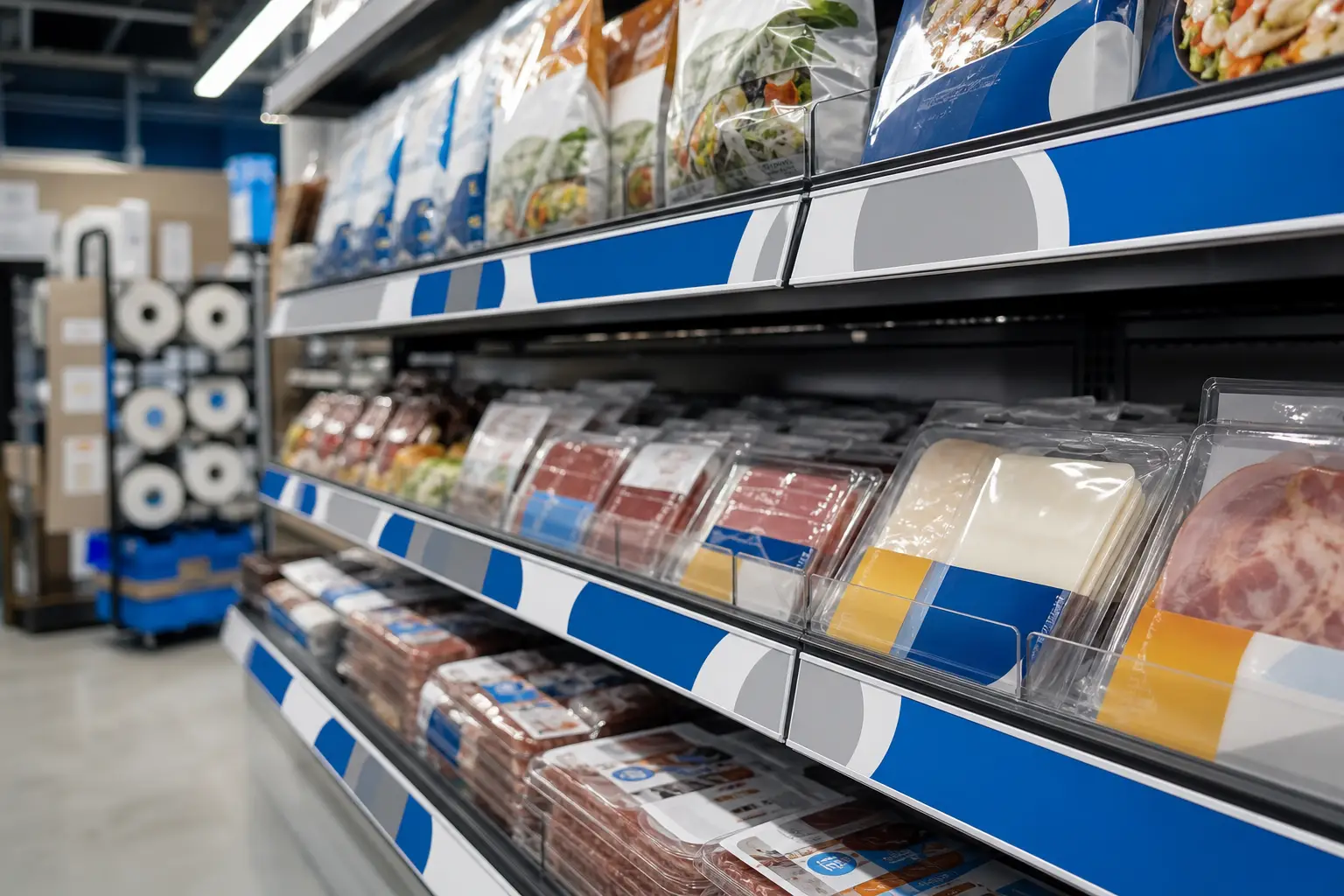
For instance, a grocery promotion may mail an offer to local households while also sending each store a kit with shelf materials, signage, and instructions. The mailed offer and the in-store materials should use the same promotion dates, product messaging, and version identifiers.
Map these paths separately:
- Recipient mail: approved address data, personalized print, mail-piece assembly, and mailing preparation.
- Location kits: store-specific quantities, component picking, kit identification, shipment grouping, and delivery routing.
- Reserve inventory: additional materials held for replacements, late-opening locations, or approved follow-up activity.
Integrated direct mail and fulfillment services can reduce handoffs between printing, mailing, and distribution. When a program includes many components or destinations, structured kitting and distribution planning also helps each location receive the intended materials together.
Build a proofing process around real campaign scenarios
A generic proof is not enough for personalized direct mail. Review sample records that represent the campaign’s real complexity. Include different markets, long names, apartment or suite addresses, missing optional fields, every creative version, and all kit labels or location identifiers.
The review should confirm four things: the data maps to the intended fields, the correct version appears for each record, variable content remains readable, and the physical piece functions as designed after finishing and assembly.
Assign one final approver for creative and one for recipient or location data. That division makes ownership clear. It also prevents a last-minute list revision from bypassing the campaign’s established review process.
Use a production checklist for repeatable execution
Complex campaigns benefit from a concise, shared checklist. It should include final quantities by version, approved artwork files, field definitions, data version date, proof approvals, stock and finishing specifications, mail-piece assembly instructions, kit contents, ship-to locations, and delivery timing.
For recurring programs, retain the approved specifications and version logic after the campaign ends. The next cycle can begin from a controlled baseline rather than from scattered files and informal instructions.
Bring the campaign plan together
Well-planned personalized direct mail turns audience data into a coordinated physical campaign. The strongest programs define their data rules early, limit versions to meaningful differences, proof realistic records, and align mailing with location-level fulfillment.
Print Group Inc. supports commercial print production, variable-data campaigns, in-house finishing, mailing, kitting, fulfillment, and multi-location distribution. To discuss specifications, quantities, components, and delivery requirements for an upcoming program, request a customized quote.