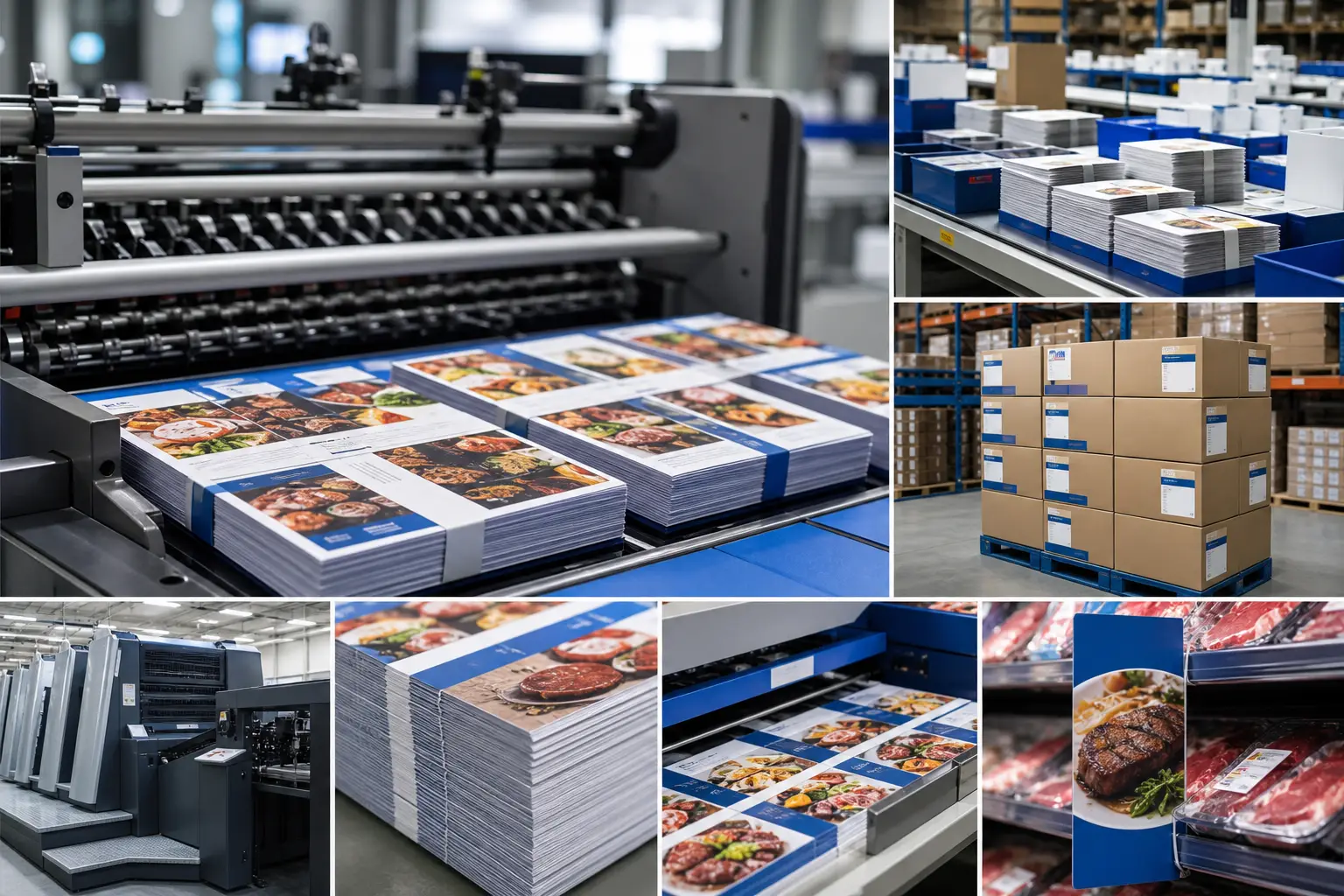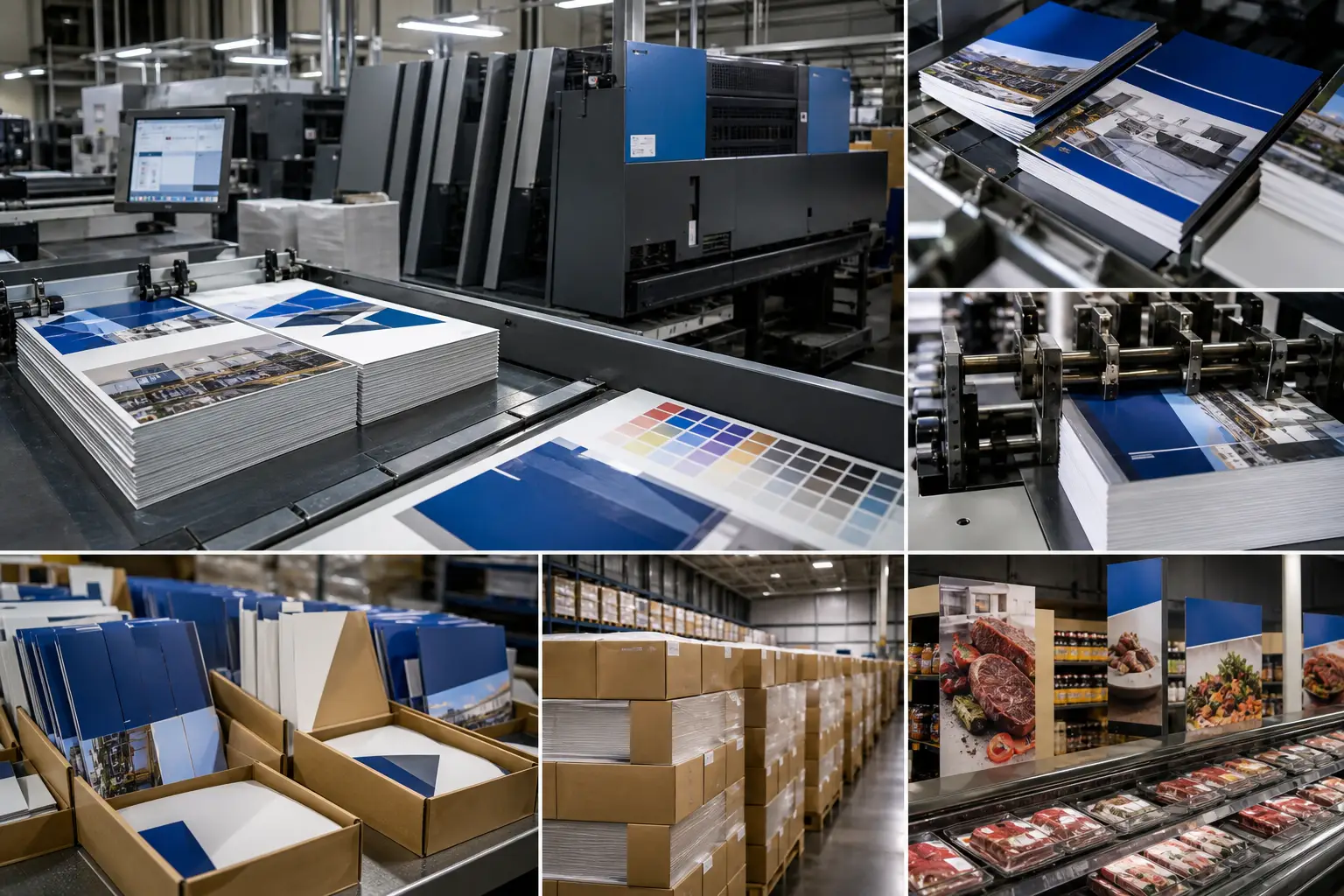
Magazine printing short run is a practical way to produce smaller quantities of a publication while retaining the production control expected of a professional magazine. It is especially useful when an organization needs several versions by region, audience, department, product line, or event. Rather than ordering one oversized universal run, teams can align quantities with actual distribution needs and reduce the risk of storing obsolete editions.
The right approach still requires disciplined planning. Versioned publications introduce more files, approvals, page counts, and distribution rules. A successful program balances the efficiency of shared production elements with clear version control from prepress through fulfillment.
Why magazine printing short run works for versioned publications
Many recurring publications share a common editorial structure but require selected pages to change. For example, a university magazine may use one core publication while adding campus-specific inserts. A retailer may need regional product selections. An association may create editions for different membership groups. A manufacturer may adapt a publication for distributors, dealers, or product categories.
In each case, printing one generic edition can create waste or reduce relevance. Printing every possible version in a large quantity can create a different problem: excess inventory that cannot be used after prices, schedules, contacts, offers, or programs change.
A short-run strategy lets the organization set quantities by edition. It can also support later replenishment when a specific version performs better than expected. This approach is not simply about lower volume. It is about matching production to a defined audience and a controlled distribution plan.
For organizations with recurring titles, publication and magazine printing should be planned as a repeatable production system. The system needs documented specifications, file standards, approval steps, and distribution instructions that remain clear issue after issue.
Start with a shared-core and variable-page plan
The most efficient versioned publication programs identify what stays the same before focusing on what changes. A shared core may include the cover treatment, editorial features, photography, brand pages, and standard legal or contact pages. Variable sections may include regional calendars, localized advertising, program details, product assortments, or department messages.
Create a version matrix before files reach prepress. This working document should list every edition and identify:
- Version name or code
- Required quantity
- Shared pages and variable pages
- Cover, address, or insert differences
- Final destination or mailing group
- Approver responsible for that version
Clear naming is essential. File names such as “final,” “new final,” or “revision 2” invite errors when several editions are moving at once. Use a consistent naming convention that includes the publication, issue date, version identifier, and revision status.
Versioned content does not always require a separate full publication file for every audience. Depending on the publication’s construction, teams may combine a shared shell with version-specific pages, covers, or inserts. The production method should follow the content structure, binding requirements, quantity by version, and required delivery schedule.
Choose the production method by quantity and version complexity
Digital production is often a strong fit for smaller quantities, frequent content changes, and multiple versions. It provides flexibility when each edition has a limited audience or when demand is difficult to forecast. It can also support controlled reprints without committing to a large inventory position.
Sheet-fed offset printing often becomes more appropriate when the shared portion of the publication has substantial volume and color repeatability is a primary concern. In some programs, a hybrid plan may make sense: a high-volume shared component can be produced one way while smaller versioned components are produced another way. The decision depends on the complete job, not only the total number of magazines.
Discuss these production choices early with a commercial printer. Print Group Inc. supports short-run printing and production planning for organizations that need professional materials in controlled quantities. A production review can account for trim size, page count, paper selections, binding, finishing, version count, and delivery requirements together.
Protect quality in magazine printing short run
Smaller runs should not lead to casual specifications. A publication represents an organization’s editorial standards and brand identity. Readers notice inconsistent color, weak image reproduction, poor trimming, or a binding method that does not suit the page count and intended use.
Quality control begins before printing. Supply production-ready artwork with the correct page dimensions, bleed, image resolution, fonts, and color setup. Confirm the final trim size, page count, paper stock, and binding method before production begins. Changes made after versions are built can affect multiple files at once.
For photography-rich magazines, color expectations deserve specific attention. Define approved brand colors and identify images or pages that need close review. Keep the paper selection consistent when editions need to look and feel alike. If editions use different stocks or finishing treatments, document those differences in the version matrix rather than relying on assumptions.
In-house prepress, printing, bindery, and finishing help keep handoffs coordinated. However, the client team still needs a clear proofing sequence. Review both shared pages and version-specific content. Verify version identifiers, page order, names, offers, local contacts, and quantities before final approval.
Build inventory control into the publication schedule
Inventory risk grows when publication content has a short useful life. Event dates, seasonal messages, local offers, leadership information, and program details can change quickly. A smaller initial quantity may be more efficient than a large run that must be stored, revised, or discarded later.
Use prior distribution data when it is available, but avoid treating historic quantities as automatic forecasts. Ask practical questions: How many copies does each location or audience actually use? Which versions have predictable demand? Is a second production window possible if demand rises? Will any copies be held for events, sales teams, or new locations?
For multi-location programs, inventory control also depends on how copies are packed and shipped. Cartons should be identified by version and destination. Shipments need a count that matches the receiving location’s allocation. When a magazine travels with other campaign materials, organized kitting can reduce confusion at the destination.
Kitting and distribution services can coordinate multi-component shipments for locations, departments, or field teams. This is particularly helpful when each site needs a different magazine edition alongside signage, collateral, or other printed materials.
When to use variable data instead of separate editions
Some differences are substantial enough to justify distinct editions. Others may be limited to a name, location, offer, account detail, or personalized message. When the underlying publication remains the same and only selected data changes, variable-data printing may provide a more direct solution.
Variable data requires accurate source data, defined rules, and a careful proofing process. It also requires teams to decide which details belong in the publication and which should remain in a companion letter, cover, insert, or direct mail piece. Separating the personalized component can simplify the magazine itself while preserving the relevance of the overall communication.
Explore digital and variable-data printing when your publication needs controlled personalization rather than several fully distinct editorial versions.
A practical checklist before production
- Confirm the audience, quantity, and destination for every version.
- Lock the trim size, page count, paper, binding, and finishing specifications.
- Separate shared pages from variable content.
- Use a consistent file-naming and version-identification system.
- Assign one accountable approver for each edition.
- Proof all variable pages, covers, inserts, and mailing or shipment instructions.
- Plan carton labeling, kitting, and multi-location delivery before release.
- Keep a production record to simplify the next issue.
Magazine printing short run gives organizations a way to publish relevant editions without automatically carrying excess stock. With sound specifications, controlled files, and coordinated fulfillment, versioned publications can remain precise, polished, and manageable from one issue to the next.
Print Group Inc. is a nationwide commercial printing and labeling company that supports production-driven publication programs, including short-run digital production, in-house finishing, kitting, and distribution. Contact the team to discuss the specifications and workflow for an upcoming versioned publication.