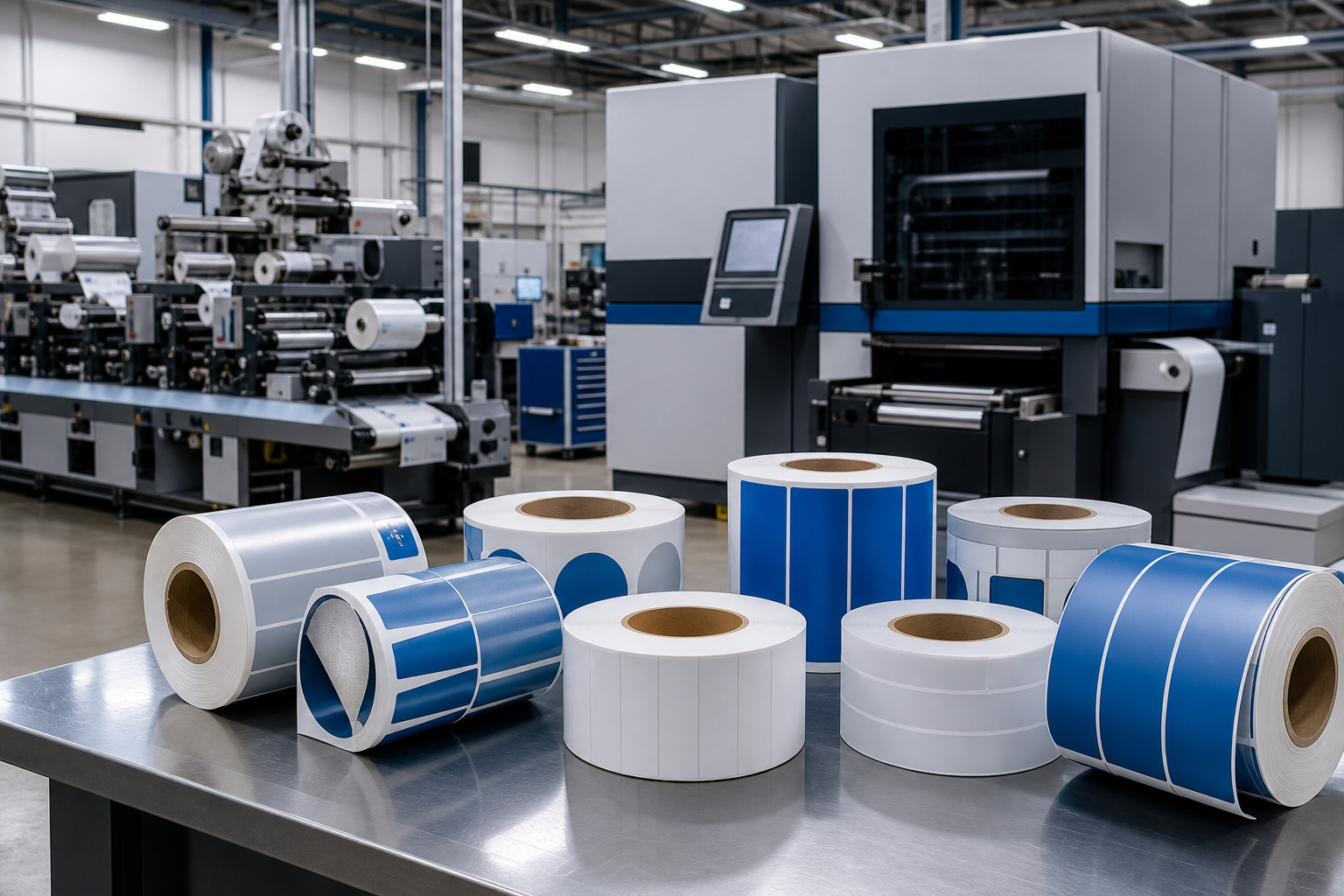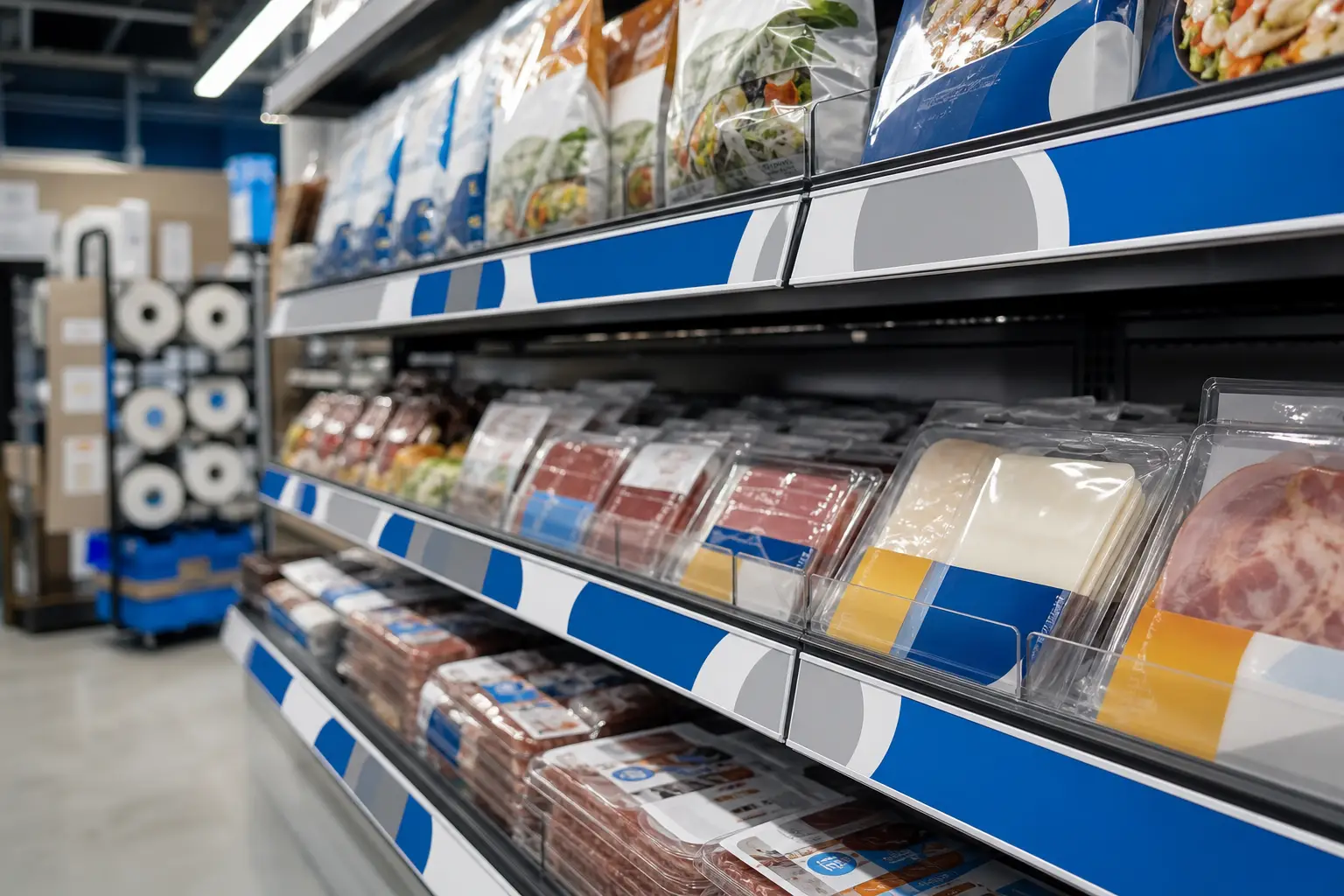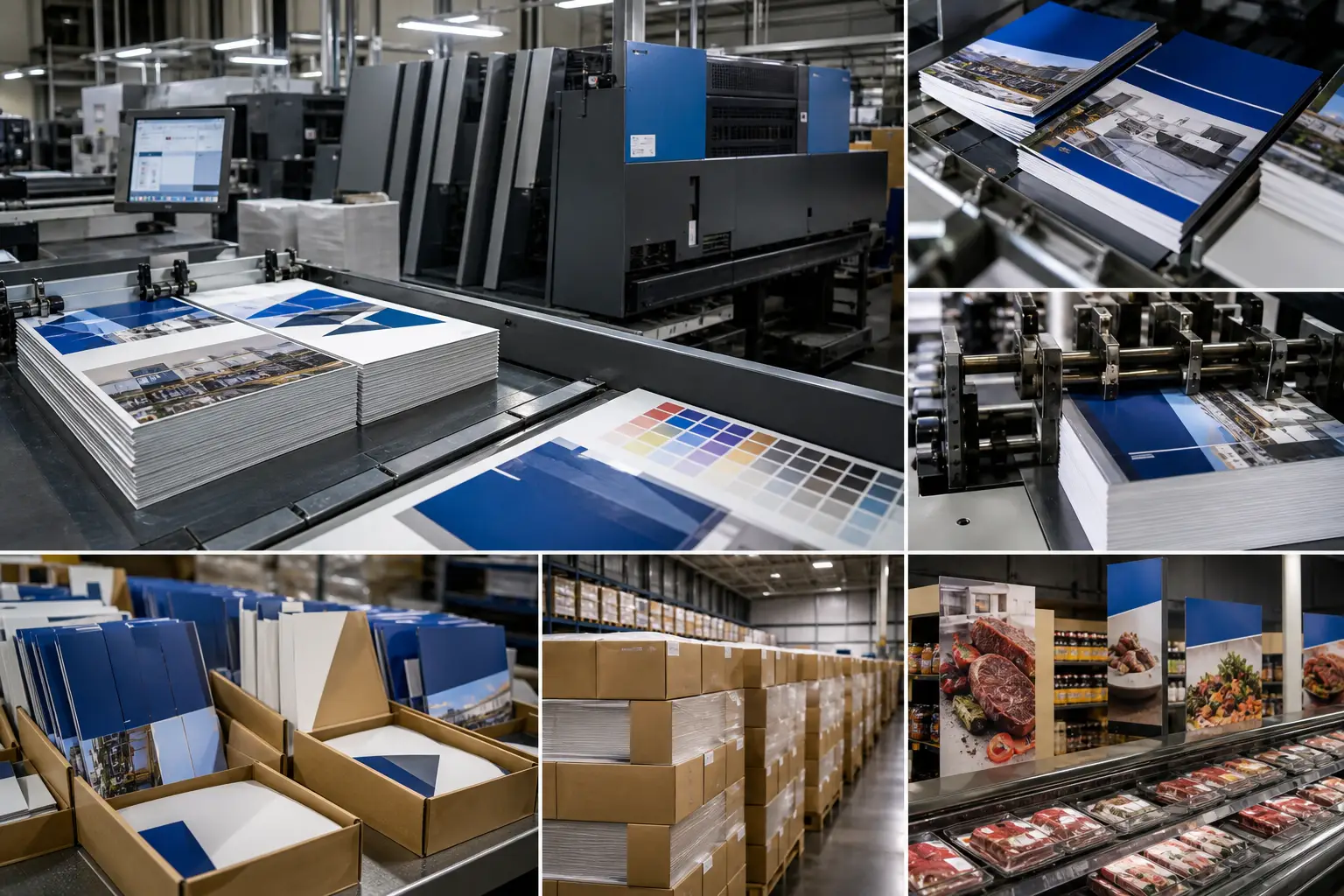
Food processors, manufacturers, and distributors need unprinted label stock when final information is not known until production, packing, warehousing, or shipment. Flexo blank labels provide a repeatable roll-label format for businesses that add variable information later through their own labeling process.
That flexibility can be useful when product details, lot information, dates, weights, destinations, or internal handling data change frequently. Rather than holding a separate preprinted label for every possible variation, operations can maintain the blank label stock they need and apply information closer to the point of use.
The decision is not simply whether a label is printed or blank. Buyers should also define the application method, surface, environment, roll specifications, adhesive needs, and the equipment that will receive the labels. Those details determine whether blank stock supports a dependable production workflow.
What are flexo blank labels?
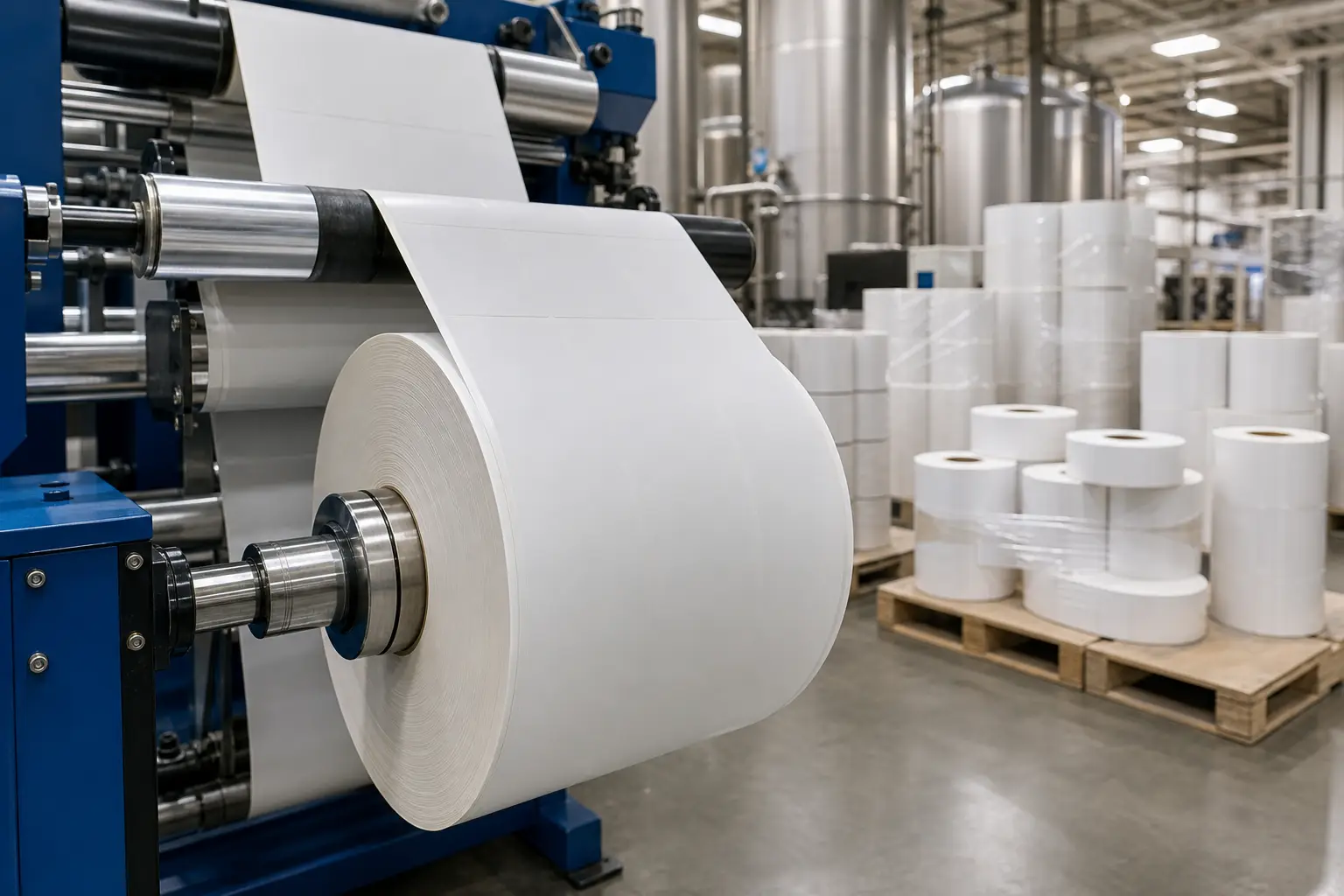
Flexo blank labels are unprinted pressure-sensitive labels produced in roll form using flexographic label production processes. The labels are supplied without the final variable content, allowing the buyer to add information later through compatible on-demand printing or marking equipment.
They are often used where label content changes more quickly than the label format itself. A processor may need one label size and material across many SKUs, while the product-specific information changes from run to run. A warehouse may use a standard blank label for internal identification while shipment details vary by order.
Blank labels are not automatically interchangeable. The face material, adhesive, liner, roll direction, core size, label dimensions, spacing, and outside roll diameter must work together with the intended application and downstream printing process. For broader roll-format planning, review Print Group Inc.’s roll label production options.
When flexo blank labels make operational sense
Flexo blank labels work best when a business has a stable label format but variable information. They can help simplify inventory by reducing the number of preprinted versions an operation needs to store, manage, and replenish.
Food processing and packing operations
Food processors often need labels applied during or after packing, when operational data is available. A blank format can support workflows where product-specific information is added at the line. The stock still needs to be selected for the package surface, handling conditions, and label application equipment.
For refrigerated, frozen, or moisture-exposed applications, environmental conditions deserve early attention. Condensation, cold surfaces, and handling can affect label performance. Print Group Inc. also provides cold storage and freezer label solutions for operations evaluating labels used in demanding temperature environments.
Manufacturing and industrial identification
Manufacturers may use blank labels for work-in-process identification, inventory movement, equipment-related identification, parts handling, or finished-goods routing. In these settings, label performance is tied to the actual environment. Abrasion, moisture, temperature exposure, chemicals, and frequent handling can all influence material and adhesive choices.
Operations should document what the label must do after application, not only how it should look on the roll. Print Group Inc.’s industrial and manufacturing labels page outlines the broader production considerations for demanding identification applications.
Distribution and warehouse workflows
Distribution centers and wholesale operations need label stock that runs consistently through their application and printing systems. Variable order, location, routing, and inventory information can make preprinting every label impractical. Blank stock can give teams a common format for changing operational data.
Before ordering, confirm how labels will move through the workflow. A roll that works for one printer or applicator may not suit another. Procurement teams should involve warehouse users, maintenance personnel, and the team responsible for the on-demand print equipment before finalizing specifications.
How to specify flexo blank labels correctly
A complete specification reduces production questions and helps prevent problems at the line. Start with the operating reality, then document the technical details that affect converting, printing, application, and use.
- Label size and shape: Define the finished dimensions, corner treatment, and any die-cut requirements.
- Application surface: Identify whether labels will be applied to corrugate, film, plastic containers, glass, metal, or another surface.
- Environmental exposure: Describe temperature, moisture, condensation, abrasion, storage, transport, and handling conditions.
- Adhesive expectations: Explain when the label is applied and the conditions it must withstand afterward.
- Downstream print method: Confirm how variable information will be added and test for compatibility with that process.
- Roll construction: Provide core size, maximum outside diameter, unwind direction, label gap or pitch, and required roll count.
- Volume and replenishment: Share expected order quantities, run frequency, and storage limitations so supply can be planned appropriately.
These requirements should be recorded in a controlled specification, especially for recurring programs. A defined standard makes reorders more consistent and gives production teams a clear basis for reviewing changes.
Blank stock versus preprinted labels
The right choice depends on what changes, how often it changes, and where the information enters the workflow. Blank stock is useful when variable content must be added later. Preprinted labels may be more appropriate when brand graphics, static product information, or consistent color elements are repeated across a high-volume program.
Many organizations use both. They may apply a preprinted product or brand label and use a blank operational label for variable information. Others may use a partially printed format with open areas reserved for later printing. The most effective approach aligns label inventory with the actual production sequence.
Where final labels require graphics, repeatable color, and higher-volume production, flexographic label printing can support consistent, production-driven label programs.
Plan for testing, inventory, and change control
Sample evaluation is an important part of selecting blank label stock. Test labels in the actual printer or applicator, on the actual surface, and in the conditions they will encounter. A basic line test can reveal feed, release, adhesion, print, or handling concerns before a larger order enters the workflow.
Inventory planning matters as well. High-use labels require reliable replenishment, but excess versions can complicate storage and increase the chance of using the wrong stock. Standardizing sizes and roll configurations where practical can make inventory easier to manage.
Finally, treat specification changes carefully. A new container material, a different application temperature, a revised printer, or an altered roll requirement can affect performance. Review those changes with the label production team before placing a repeat order.
Coordinate blank label production with Print Group Inc.
Print Group Inc. supports nationwide label and packaging production for food processors, manufacturers, distributors, grocery organizations, and other operations with recurring production needs. Share the application details, equipment requirements, quantity expectations, and delivery points early in the process.
For help reviewing a flexo blank label specification or planning a recurring supply program, request a customized quote from Print Group Inc.