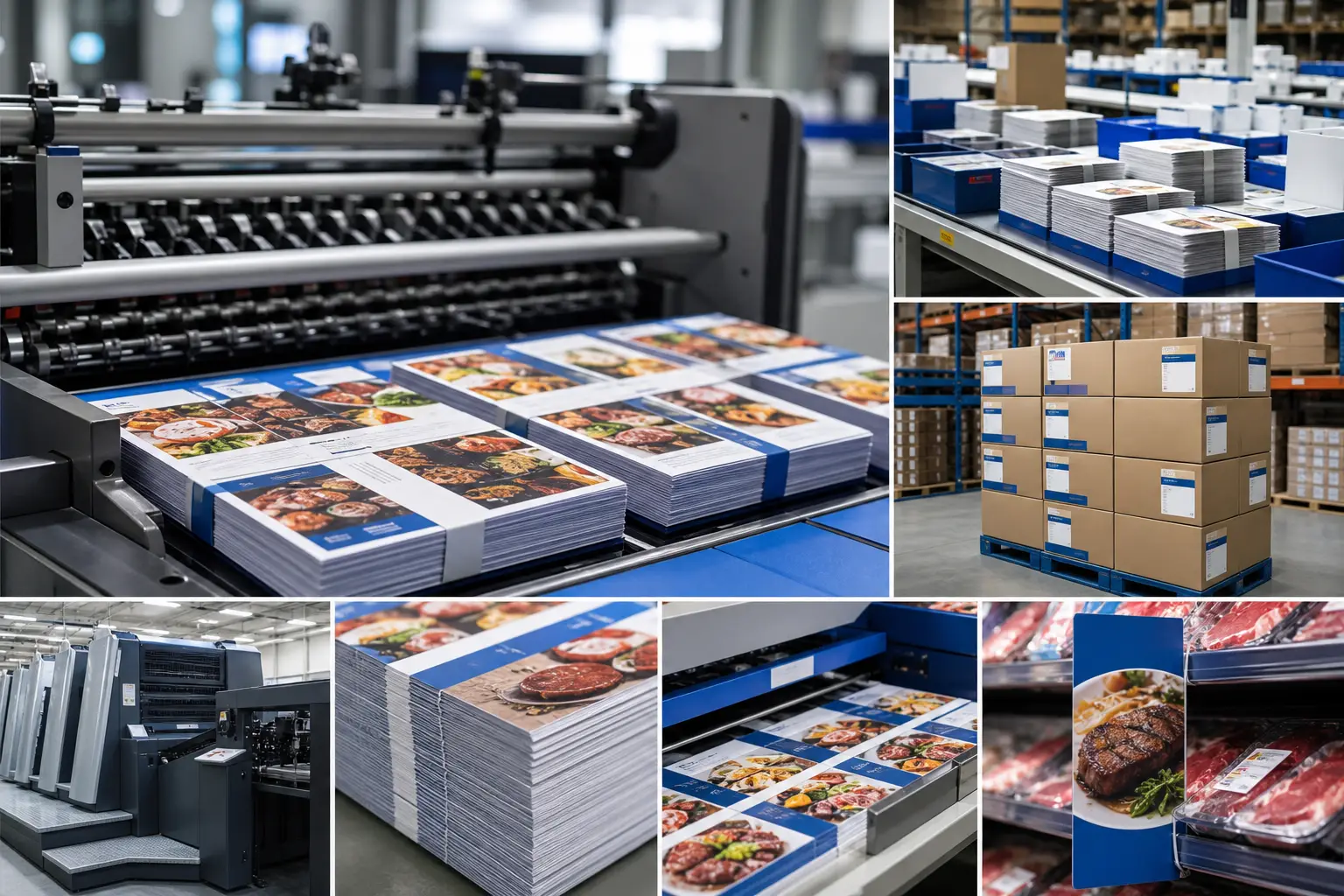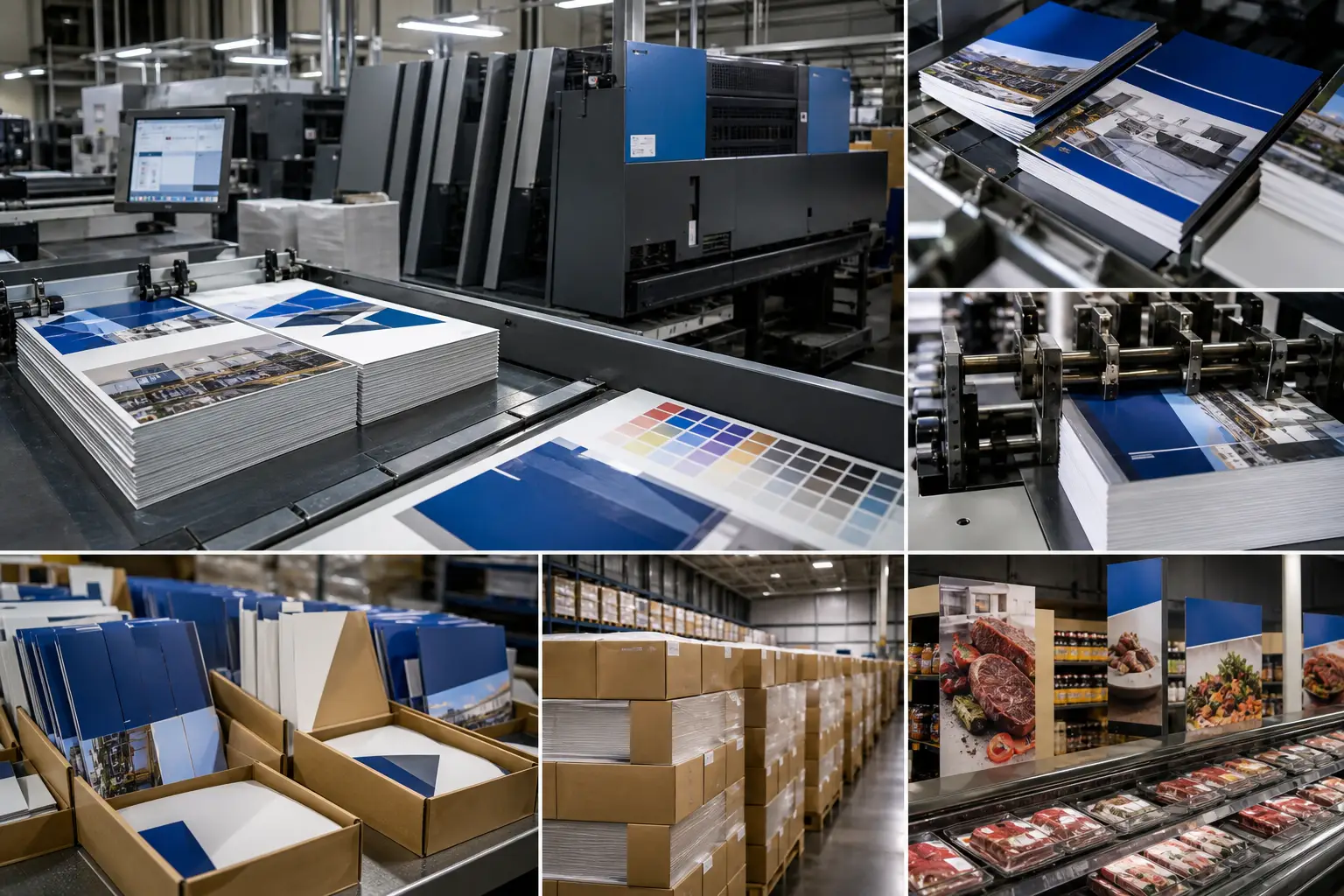
Corporate marketing collateral for multi-location organizations must do more than look consistent. Each piece must reflect current brand standards, contain the right local information, and arrive at the correct location in usable condition. That requires a coordinated production process for artwork, versions, color, finishing, inventory, kitting, and distribution.
For a regional retailer, manufacturer, university, or national organization, collateral may include brochures, sales sheets, stationery, catalogs, presentation folders, event materials, direct mail, point-of-sale pieces, and location-specific inserts. When several teams order materials independently, even a strong brand can become inconsistent. A planned print program creates control without slowing local execution.
Why corporate marketing collateral becomes complex at scale
Multi-location programs often begin with a simple request: produce the same branded piece for every branch, store, campus, or sales office. The complexity grows when each destination needs different contacts, offers, product assortments, quantities, or release dates.
A single campaign can include a national design, regional messages, and location-level details. It may also combine several formats, from offset-printed brochures to digitally produced inserts. The practical challenge is protecting the shared elements while managing approved differences.
Common sources of error include:
- Outdated logos, addresses, pricing, or product information in local files
- Unapproved edits made after a master layout is released
- Similar file names that obscure the correct version
- Different paper stocks or finishing choices between production runs
- Mixed kits that omit a component or go to the wrong destination
- Unclear ownership for approvals, reorder points, and inventory changes
The best time to address these issues is before artwork enters production. A clear specification and approval structure protects the campaign later.
Build a version-control system before print production
Version control is the process of identifying, approving, and producing each authorized variation of a printed piece. It is especially important for corporate marketing collateral that changes by audience, territory, department, product line, or location.
Start with a defined master
Establish one approved master file for the common campaign elements. The master should identify the fixed content, such as brand marks, core imagery, product positioning, legal copy supplied by the client, and layout structure. It should also identify the fields that may change.
For example, a sales brochure may use the same cover, product photography, and service overview across all locations. The back panel may vary by local contact details, territory, or call to action. Separating fixed and variable content makes review more efficient.
Create a version matrix
A version matrix is a practical control document. It lists every approved version and the information that distinguishes it. Columns may include version name, audience, location or region, quantity, artwork status, stock, finishing, kit contents, and ship-to destination.
Use a naming convention that is descriptive and consistent. Avoid labels such as “final” or “new final.” A useful name might connect the campaign, format, market, and revision date. The purpose is not administrative complexity. It is to make the correct file and production instruction easy to identify.
Organizations with frequent variations can also use versioned campaign printing to coordinate multiple approved versions within a single production plan.
Confirm approvals at the right level
Approval should match the decision being made. Brand or marketing leaders may approve the master design. Local operations teams may confirm store lists, quantities, and destination details. Procurement or campaign managers may authorize the final production release.
A documented approval path reduces last-minute changes and gives production teams a clear source of truth. It also helps prevent a local request from accidentally changing a national standard.
Protect color consistency across formats and reorders
Color consistency is central to recognizable corporate marketing collateral. Yet color can appear different when artwork moves between paper stocks, print methods, finishes, lighting conditions, and production runs. Good planning sets realistic expectations and gives the production team the information needed to manage the result.
Begin with production-ready artwork and clear brand color specifications. Identify important colors, especially those used in logos, product packaging, large solid areas, and recurring campaign graphics. Discuss the intended paper or substrate early, because material choice affects appearance and performance.
Production method also matters. High-volume pieces with stable specifications may suit sheet-fed offset printing, while smaller quantities, shorter runs, and localized versions may benefit from digital production. A coordinated program can use both methods when the campaign requires them.
Proofing provides another useful checkpoint. Review should focus on the elements that matter most: brand colors, image quality, legibility, folds, trim, and variable information. For recurring materials, retain approved production specifications so later reorders follow the same standards.
Plan collateral as a kit, not as separate pieces
Locations rarely need one printed item. A promotion may require counter cards, brochures, shelf materials, posters, employee instructions, and replacement pieces. Shipping each item separately increases receiving work and makes it easier for components to be overlooked.
Kitting brings the right components together before shipment. Each kit can be built for a specific store, branch, sales team, event, or department. The contents should be defined in the version matrix and verified against the location’s requirements.
For example, a retail launch kit might include a set of window graphics, a counter display, shelf messaging, and installation instructions. One location may need an additional bilingual insert. Another may need a different quantity because of its footprint. The kit structure accommodates those differences while preserving the campaign system.
Organizations running in-store programs can coordinate corporate materials with grocery shelf and in-store marketing materials when a campaign extends from central marketing to the retail floor.
Coordinate fulfillment and multi-location distribution
Fulfillment is where a well-produced campaign becomes usable in the field. Distribution planning should begin with the production schedule, not after printed pieces are complete. Confirm destination lists, delivery windows, contact names, receiving constraints, kit counts, and any staged-release needs before production begins.
Inventory management also matters for recurring programs. Some evergreen corporate marketing collateral can be produced in planned quantities, stored, and released as locations need it. Campaign-specific pieces may need a defined end date or controlled release schedule to prevent outdated materials from entering the field.
A distribution plan should answer these questions:
- Which locations receive which version and quantity?
- Which materials are kitted together?
- What must arrive together for the campaign to launch?
- Who receives shipment updates and handles exceptions?
- Which items are replenishable, and who can authorize reorders?
Kitting and distribution services support organized assembly and shipment when a program involves multiple components and delivery points.
A practical production brief for multi-location collateral
A complete production brief reduces avoidable questions and makes handoffs more reliable. It should include:
- Project purpose, audience, and campaign timing
- Master artwork and a list of approved variable fields
- Version matrix with quantities and destination assignments
- Finished size, folds, binding, stock, coating, and finishing requirements
- Color priorities and proofing requirements
- Kit contents, labeling needs, and packing instructions
- Inventory, release, and reorder instructions
- Final approval contacts and delivery requirements
Print Group Inc. provides nationwide commercial print production, in-house prepress, finishing, kitting, fulfillment, and multi-location distribution. For organizations planning recurring or complex corporate marketing collateral, a production conversation can clarify how versions, color, materials, and delivery should work together. Contact Print Group Inc. to discuss your program requirements.