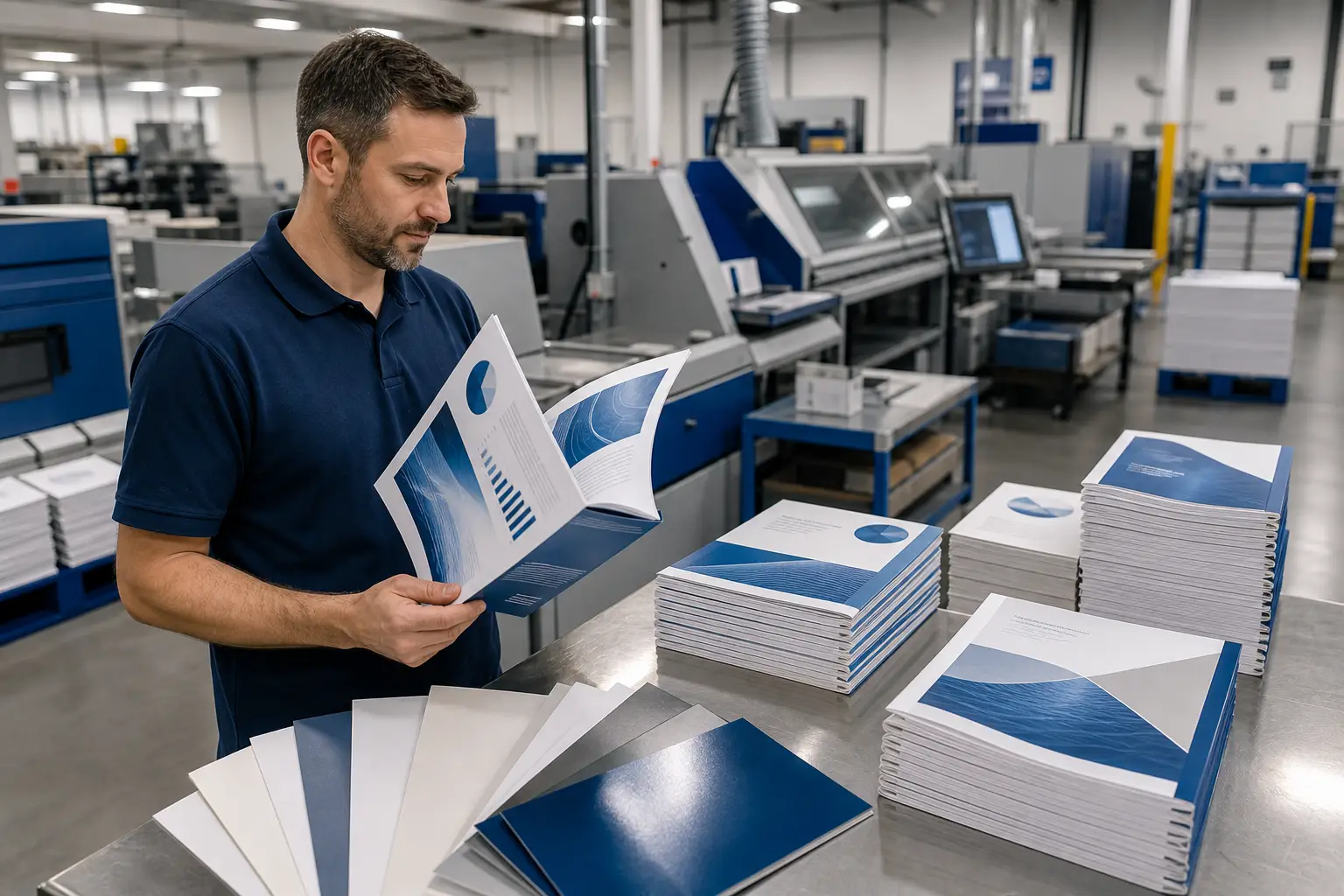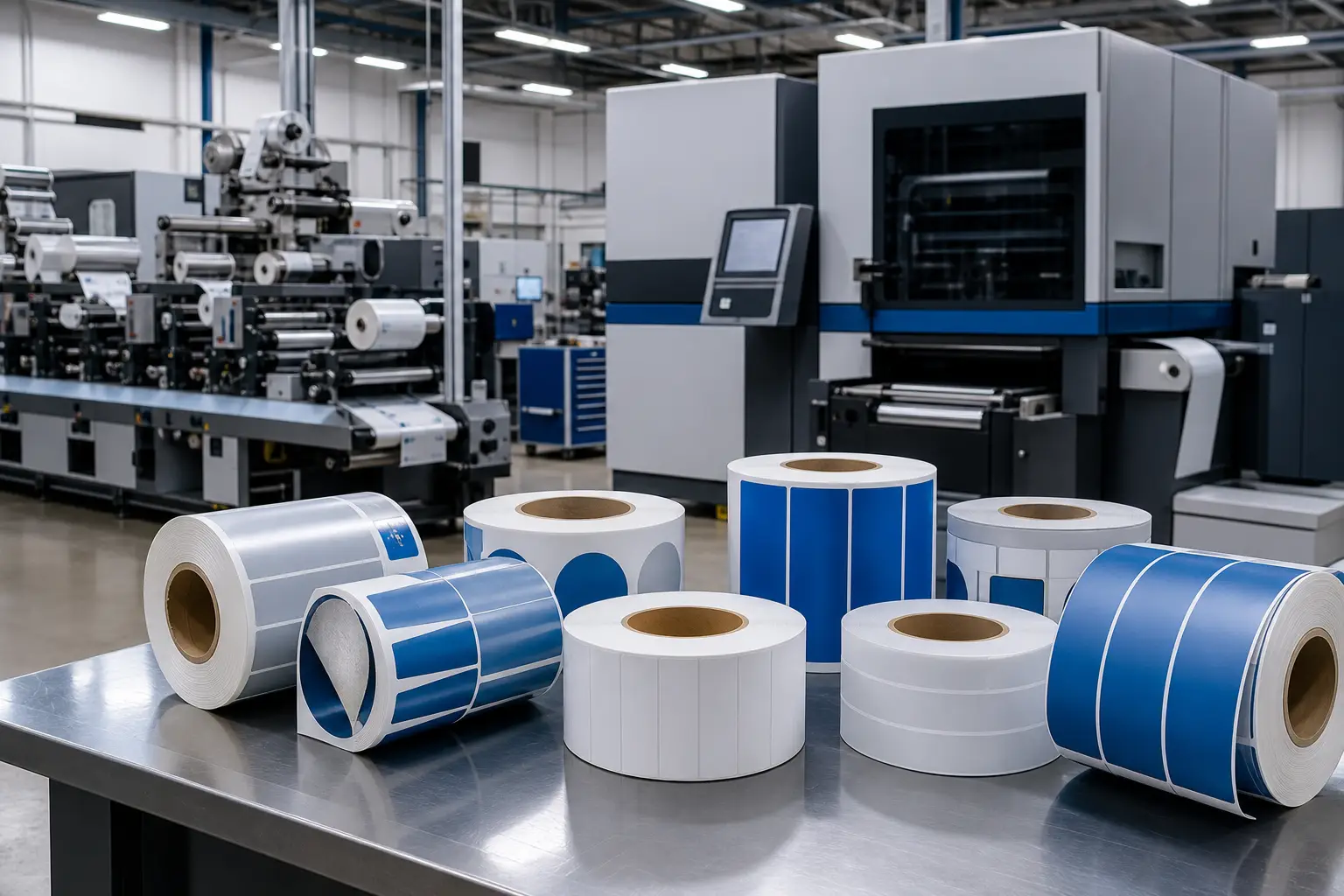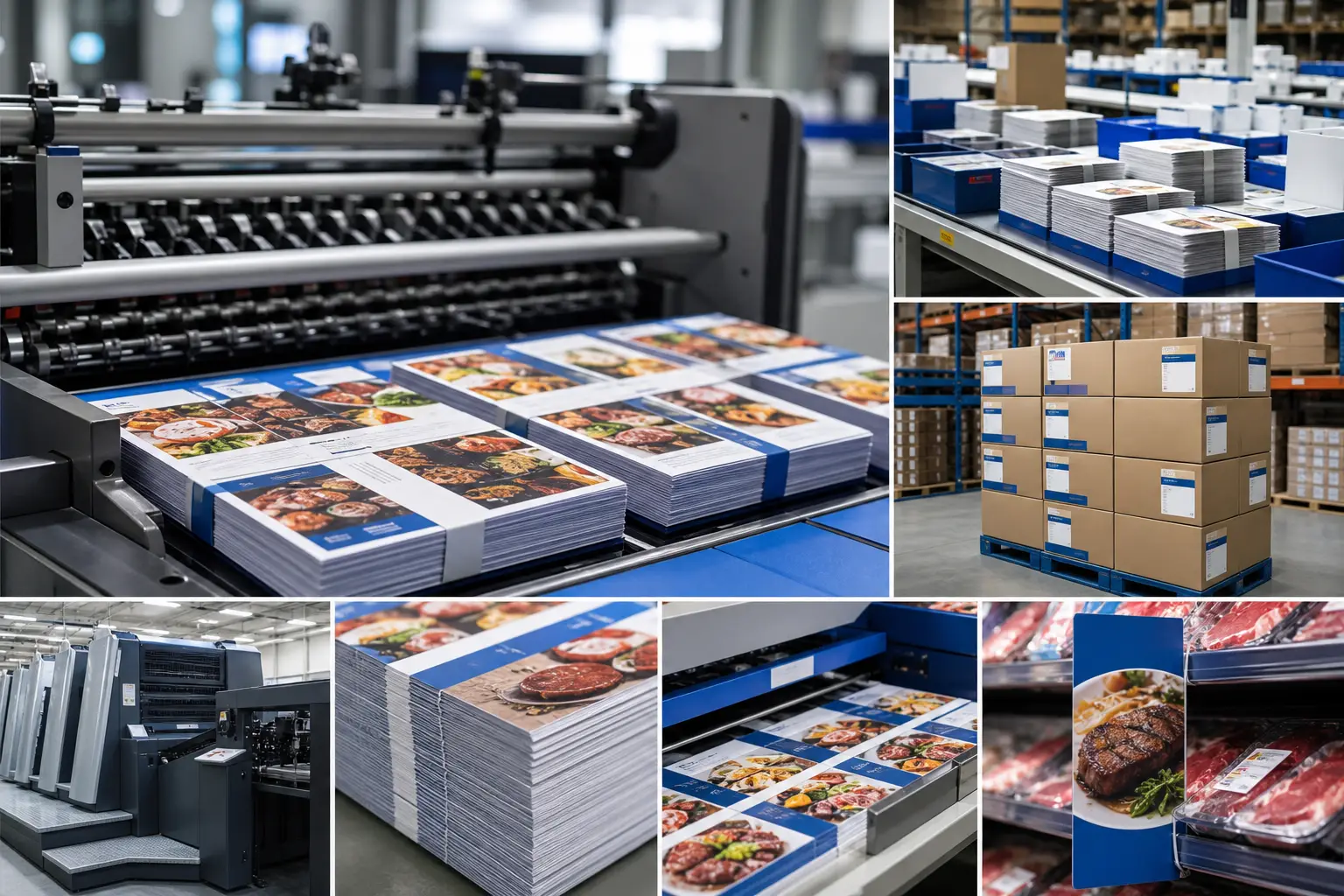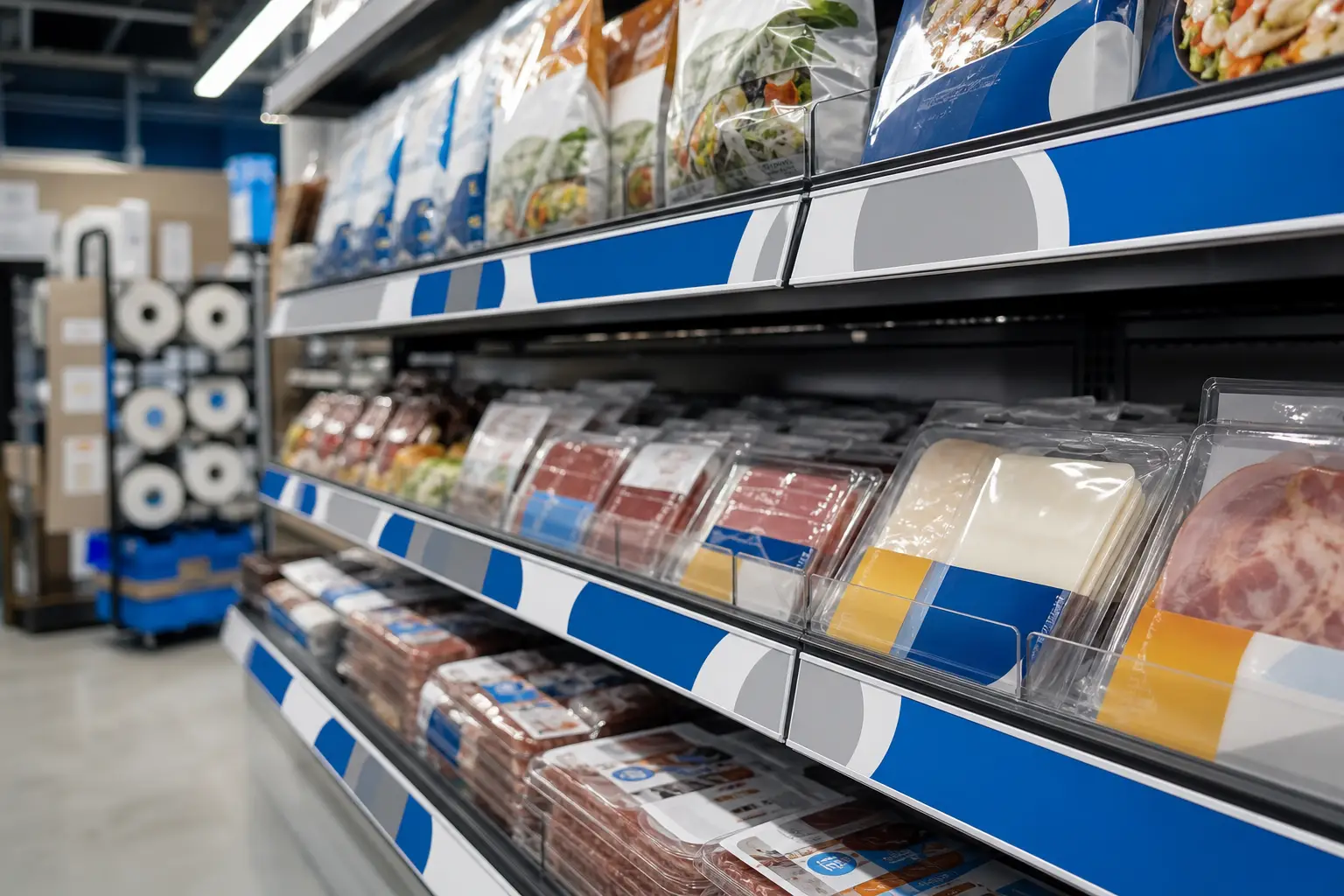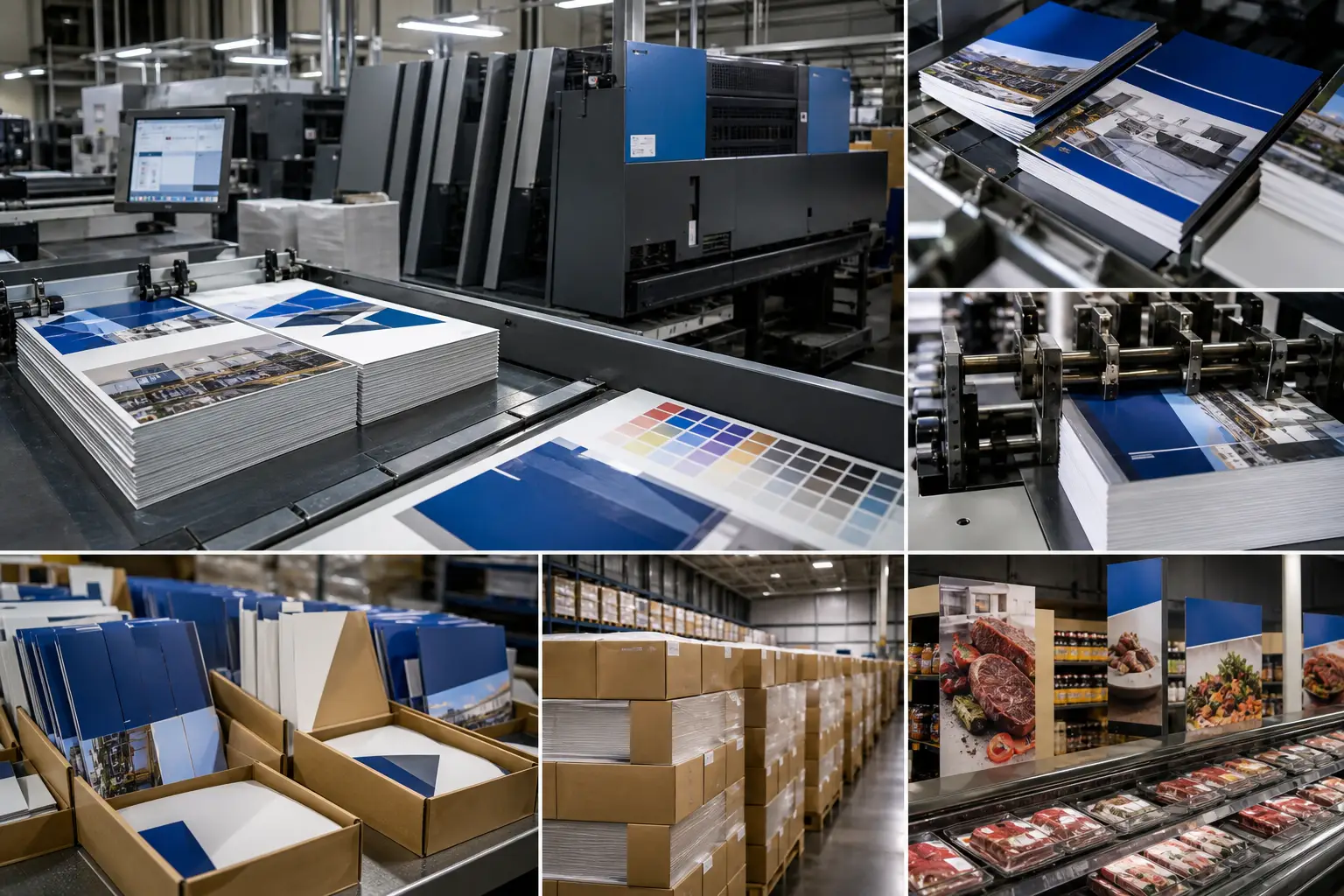
High quality magazine printing depends on a controlled process, not a one-time visual match. For recurring publications, the goal is to make the current issue look intentional beside prior issues while preserving the brand’s colors, photography, typography, and editorial standards. That requires clear source files, defined color expectations, disciplined prepress, stable production choices, and review checkpoints.
Magazines often combine image-heavy covers, editorial photography, ads from multiple contributors, solid brand colors, and long runs with fixed mailing dates. Small variations can become noticeable when readers compare issues on a shelf, in a waiting room, or within an archive. A production partner should manage the variables that can be controlled and identify decisions that need approval before the job reaches press.
Why color consistency matters in recurring magazine production
A publication builds recognition over time. Its cover treatment, section colors, sponsor materials, and photography create a visual system readers learn to recognize. When that system shifts unexpectedly, the magazine can appear less coordinated, even when each individual page remains readable.
Color consistency also affects practical production decisions. Editors and marketing teams need a predictable approval process. Advertisers need accurate specifications for supplied artwork. Procurement teams need repeatable standards that reduce uncertainty across issues. A defined workflow makes those conversations more efficient.
For organizations producing alumni magazines, association publications, retail circular-style publications, travel guides, or corporate journals, recurring quality is part of the product. It should be planned before each issue enters production rather than inspected only at the end.
Build a repeatable color standard before the first press run
Consistency starts with a shared reference. The publisher, designer, and print production team should agree on how key visual elements must reproduce. This is especially important for logos, recurring cover treatments, color-coded departments, and images that carry a specific mood.
Define the elements that need the tightest control
Not every page carries the same risk. Identify the elements readers will notice first:
- Brand colors and logos
- Cover photography and headline treatments
- Skin tones and product photography
- Large solids, gradients, and tinted backgrounds
- Recurring editorial section colors
- High-visibility advertising placements
A clear priority list helps the team focus proofing and press review where it matters most. It also prevents a late-stage decision about a critical brand color from affecting the production schedule.
Use production-ready artwork and consistent file practices
Color control becomes more difficult when files arrive from several sources with different settings and expectations. Designers should prepare files to the printer’s specifications and keep image handling, color builds, transparency treatment, and PDF export practices consistent from issue to issue.
Advertiser-supplied files deserve the same review as editorial pages. A technically usable ad may still contain unexpected color conversions, low-resolution images, unintended overprints, or rich black variations. Reviewing those files early gives the publisher time to request corrections without disrupting the full publication schedule.
Print Group Inc. provides in-house prepress as part of its commercial print production workflow. Publishers can also review the company’s print file upload instructions when preparing press-quality PDF files for production.
Choose paper and printing methods with repeatability in mind
Paper is part of the color result. Its brightness, shade, finish, and opacity influence how ink and images appear to the reader. A photograph can look different on an uncoated stock than on a coated stock, even when the digital file and ink colors remain the same.
For a recurring title, avoid changing paper specifications casually. If the publication needs a stock change because of availability, budget, page count, or a new format, treat it as a production change. Review a proof or sample that reflects the revised specification before committing the full run.
High-volume sheet-fed offset printing is often well suited to publications that require consistent reproduction across substantial quantities. The right production method ultimately depends on quantity, format, version count, deadline, personalization needs, and finishing requirements. Smaller editions or targeted variations may call for a different approach within a coordinated publication program.
Use proofs to approve intent, not just catch typos
Proofing is a production checkpoint. It allows the publisher to verify content, layout, page sequence, and the expected appearance of priority colors and images before final output. The proof type and review process should match the importance of the issue and the sensitivity of its visual content.
Give reviewers practical direction. Ask them to look at the approved logo colors, cover image, prominent ads, flesh tones, black text, gradients, and any pages that must align with prior editions. Consolidate feedback through a designated decision-maker whenever possible. Conflicting markups from several departments can delay approval and introduce avoidable changes.
Keep approved proofs and production notes organized by issue. They form a useful historical reference when the same brand elements return in a future edition. A prior printed issue can also provide context, but it should not replace a current proof because paper, artwork, and production conditions may differ.
Control color during the press and finishing workflow
Files do not guarantee results by themselves. Press setup, ink behavior, paper characteristics, and run conditions all influence the finished sheet. High quality magazine printing requires active process control throughout production, including review of the most important visual targets.
Production planning should account for pages that need to match across signatures, covers, inserts, and reprints. It should also account for finishing steps. Folding, trimming, binding, coatings, and mail preparation must preserve page order, alignment, and the intended presentation of the publication.
For example, a heavy-coverage cover may need different attention than interior text pages. A publication with a removable insert or versioned regional section adds another layer of verification. The right plan identifies those points before production begins.
Print Group Inc. combines commercial print production with in-house bindery and finishing. For publishers managing deadline-driven editions, its publications and magazine printing services are designed for recurring, widely distributed print products.
Create a production record for every issue
A simple issue-to-issue record supports repeatability. It gives the next production cycle a starting point rather than requiring the team to rebuild decisions from memory. The record should capture the approved specifications and exceptions that affected the run.
- Trim size, page count, stock, and cover specification
- Approved PDF version and ad file status
- Priority brand colors and visual references
- Proof approvals and documented corrections
- Binding, finishing, inserts, and distribution requirements
- Any approved changes from the previous issue
This record is valuable when staff change, design work moves between agencies, or publication schedules become compressed. It also helps teams distinguish an intentional redesign from an unintended production variation.
Questions to ask a magazine printing partner
Before selecting a production partner, ask how its team will support repeatable results across future issues. Useful questions include:
- How will prepress review supplied editorial and advertiser files?
- What proofing options are available for our publication?
- How will you document paper, color, finishing, and binding specifications?
- How can the workflow accommodate regional editions, inserts, or versioned pages?
- Can you coordinate mailing, kitting, or shipment to multiple distribution points?
- Who will communicate production questions and approval deadlines?
The answers should show a disciplined workflow, not merely a promise to make the current issue look good. Reliable recurring production depends on communication between creative, editorial, procurement, and print teams from planning through delivery.
Plan each issue as part of a long-term publication program
High quality magazine printing is most reliable when the magazine is treated as an ongoing program. Maintain stable specifications where possible, establish clear approval authority, and bring the print team into conversations about format, stock, versions, inserts, and distribution early.
Print Group Inc. supports nationwide commercial print production for organizations with recurring, high-volume, and complex publication needs. Contact the team to discuss magazine specifications, prepress coordination, finishing, and distribution requirements for an upcoming issue.