
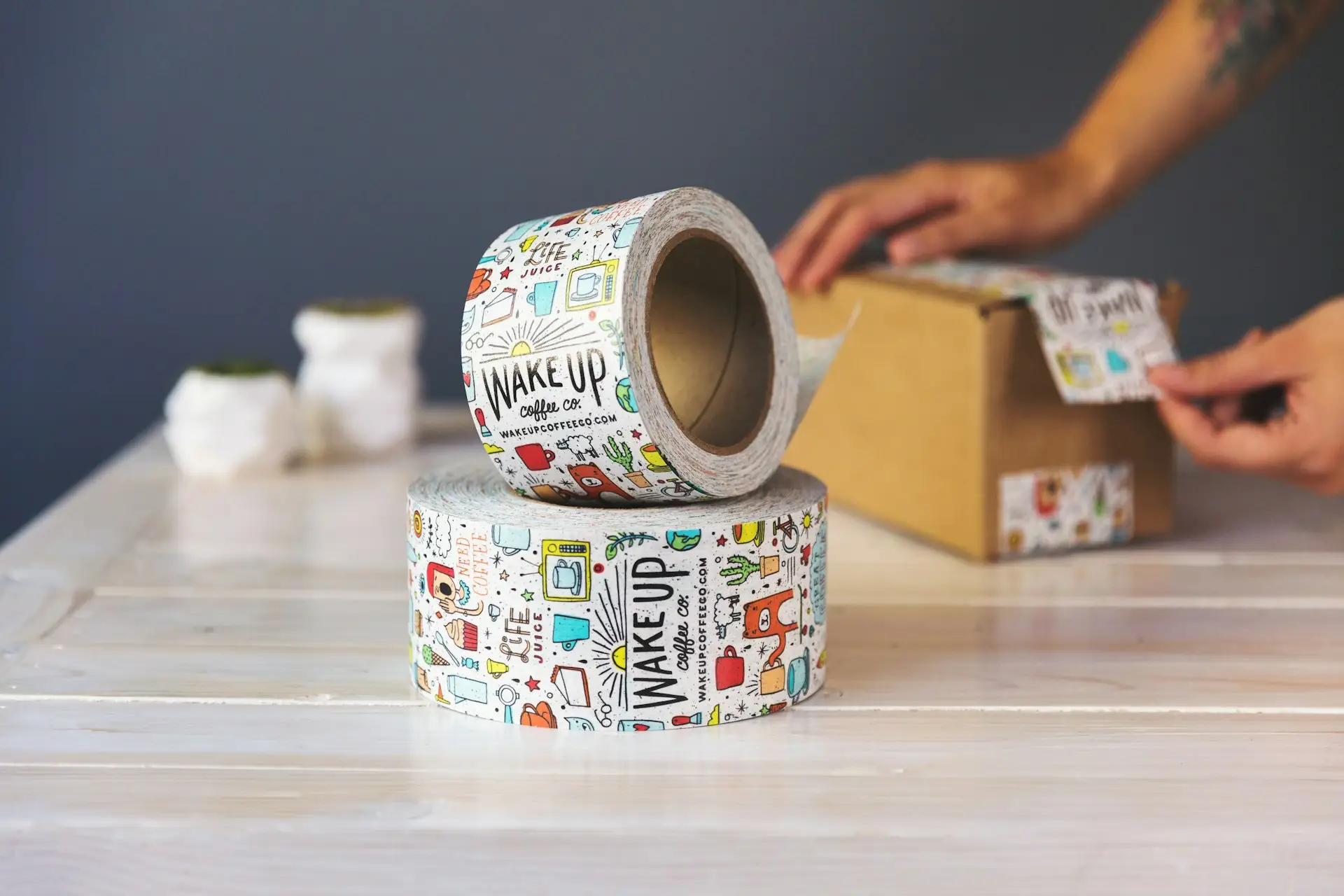
High-Volume Roll Label Production
When labels are applied at speed, they must perform with precision.
Roll labels are engineered for efficiency — designed for automated application, consistent adhesion, and high-volume production environments.
Print Group Inc. provides professional roll label printing services for grocery retailers, food processors, manufacturers, co-packers, distributors, and national brands across the United States.
From food packaging and beverage labeling to industrial product identification and retail-ready packaging, we produce roll labels built for durability, alignment accuracy, and production scalability.
Based in Southwest Missouri and serving clients nationwide, our roll label production integrates with packaging workflows and high-speed application systems.
If your product moves through automated lines, label consistency is critical.
Print Group inc.
Start Your Next Print Project
Tell us what you’re producing, and we’ll help you plan, price, and execute it with the consistency and scale your operation requires.
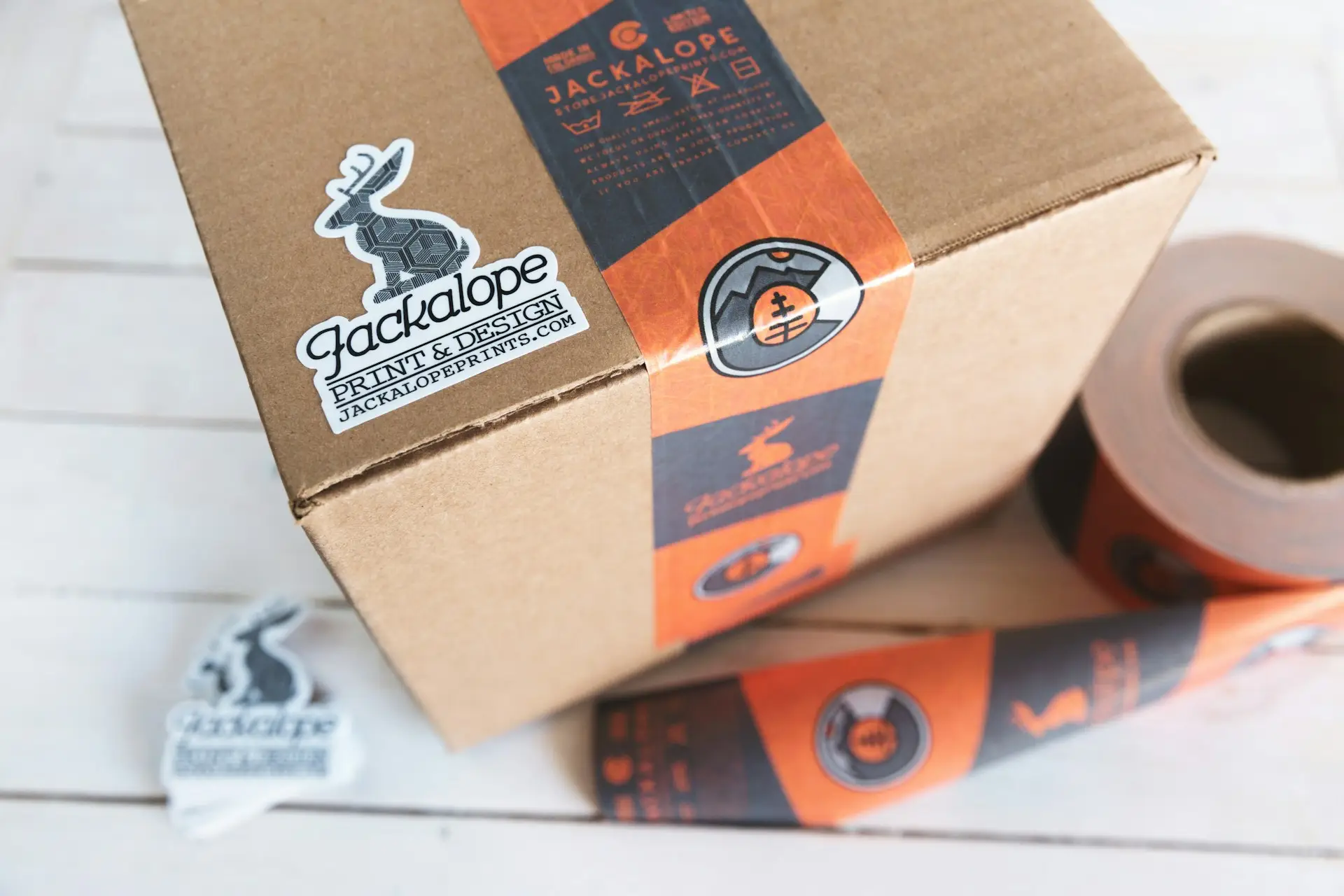
What Are Roll Labels?
Roll labels are adhesive labels wound onto rolls rather than supplied as individual sheets.
They are designed for:
- Automatic labeling machines
- Semi-automatic application systems
- High-volume packaging lines
- Manual dispenser application
Roll format allows:
- Faster application
- Reduced downtime
- Continuous feed integration
- Efficient large-scale production
For manufacturers and food processors, roll labels support operational efficiency.
Roll Label Printing Considerations
Roll Label Construction
Roll labels consist of:
- Face stock (printable surface)
- Adhesive layer
- Release liner
- Core size specification
- Winding direction
These factors must align with:
- Application equipment requirements
- Container shape
- Surface material
- Environmental conditions
Incorrect core size or unwind direction can disrupt production lines.
Precision matters.
Flexographic Roll Label Production
Flexographic printing is commonly used for large-volume roll label production.
Benefits include:
- Efficient long-run production
- Consistent color reproduction
- High-speed press capability
- Cost efficiency at scale
Flexographic systems are ideal when labels are produced in large, repeat batches.
Digital Roll Label Production
Digital roll label production supports:
- Shorter runs
- Frequent content updates
- Versioned packaging
- Limited-edition products
- Regional variations
Digital flexibility reduces setup costs for smaller quantities.
Many brands use a hybrid approach depending on run size.
Adhesive Selection & Environmental Performance
Adhesive choice is critical.
Common adhesive considerations include:
- Permanent adhesive
- Removable adhesive
- Freezer-grade adhesive
- Moisture-resistant adhesive
- Oil-resistant adhesive
Performance depends on:
- Surface material (glass, plastic, metal, corrugated)
- Storage temperature
- Handling exposure
- Product lifecycle
Improper adhesive selection leads to peeling, curling, or failure.
Roll label engineering must match environment.
Finishing & Die Cutting
Roll labels may include:
- Custom die shapes
- Matte or gloss finishes
- Protective lamination
- Clear or opaque substrates
- Sequential numbering
- Barcode integration
Die precision ensures clean separation during automated application.
Clean edges prevent machine misfeeds.
Compliance & Barcode Accuracy
Roll labels frequently carry:
- UPC barcodes
- Lot tracking numbers
- Expiration dates
- Regulatory disclosures
- Nutritional panels
Barcode scannability must meet retail standards.
Print clarity and contrast are critical.
Integration with Packaging & Merchandising
Roll labels often coordinate with:
- Product packaging components
- Shelf-ready merchandising
- Retail display materials
- Promotional overlays
Print Group’s integrated capabilities allow cohesive production across label, packaging, and retail programs.
This protects brand continuity from manufacturing floor to shelf display.
Industries That Rely on Roll Labels
- Grocery & Food Processing
- Beverage & Bottling
- Industrial Manufacturing
- Private Label Retail
- Distribution & Logistics
High-volume packaging environments depend on reliable roll label performance.
Applications for Roll Labels
Food & Grocery Packaging
Roll labels are commonly used for:
- Meat packaging
- Frozen foods
- Dairy containers
- Beverage bottles
- Prepared foods
- Private label grocery products
Food labels must:
- Maintain adhesion under refrigeration or freezing
- Resist moisture and condensation
- Preserve barcode readability
- Protect nutritional panel clarity
Adhesive and material selection define long-term performance.
Beverage & Bottling
Bottled products require labels that:
- Conform to curved surfaces
- Resist moisture exposure
- Maintain vibrant color
- Withstand refrigeration
Roll labels allow smooth, automated bottle application.
Industrial & Manufacturing
Manufacturers use roll labels for:
- Product identification
- Compliance labeling
- Warning labels
- Shipping containers
- Equipment tracking
Industrial environments may require abrasion resistance and strong adhesives.
Frequently Asked Questions
Can you match our labeling machine specifications?
Yes. We confirm core size, unwind direction, and roll configuration.
Do you support freezer-grade roll labels?
Yes. Adhesives are selected based on environmental conditions.
Can you handle large repeat runs?
Yes. Flexographic production supports high-volume efficiency.
Do you ship nationwide?
Yes. We coordinate distribution across the United States.
Request a Roll Label Printing Quote
Print Group Inc. is structured to support your custom label production at scale.